Are you a US gamer aged around 36, juggling work, family, and a passion for virtual worlds, feeling the pinch of generic PC cases that just don't fit your unique style or performance needs? This comprehensive guide dives deep into how to build custom PC case, empowering you to craft a personalized gaming rig that truly stands out. We understand the challenges of finding time for extensive research and balancing budget with the desire for optimal performance and aesthetics. Discover expert tips on material selection, cooling solutions, unique design elements, and budget-friendly approaches to create a PC case that reflects your identity and enhances your gaming experience. Learn to optimize airflow, integrate smart RGB lighting, and ensure compatibility with your high-end components without breaking the bank. This article cuts through the hype, offering practical, actionable advice for building a custom enclosure that not only looks incredible but also performs flawlessly for your favorite titles, whether it's the latest esports sensation or a cozy indie adventure. Get ready to transform your gaming setup into a personalized masterpiece, perfectly aligned with your busy lifestyle and passion for gaming. This resource is designed to save you time and provide clear, concise answers to all your custom PC case queries, helping you unlock new levels of creativity and performance for your gaming sanctuary.
What are the first steps to plan my custom PC case build?
Planning your custom PC case build begins with a clear vision of its purpose, components, and aesthetic. Start by listing your current and future hardware to ensure adequate space for GPUs, coolers, and storage. Consider the overall dimensions, form factor (ATX, Micro-ATX, Mini-ITX), and potential placement in your gaming setup. Sketch out initial designs, focusing on airflow, cable management, and accessibility for future upgrades. Research materials and tools, setting a realistic budget for both components and fabrication. This foundational planning prevents common pitfalls and ensures your custom case meets both functional and aesthetic goals, aligning with your desire for a performance-optimized and visually appealing gaming rig without overspending.
How do I ensure optimal airflow and cooling in a custom PC case?
Optimal airflow in a custom PC case is crucial for component longevity and peak gaming performance. Design your case with clear intake and exhaust paths, typically front-to-back or bottom-to-top. Account for radiator placement if you're using AIO or custom loop liquid cooling, ensuring unrestricted air movement. Strategically position fan mounts to create positive pressure (more intake than exhaust) to minimize dust buildup. Consider mesh panels or vents in critical areas, and plan for adequate clearance around the CPU cooler and GPU. Material choice also matters; avoid designs that trap heat. Proper cooling management means your hardware stays frosty even during intense gaming sessions, a key concern for gamers balancing life and high-performance play.
What are the best materials for building a custom PC case on a budget?
Building a custom PC case on a budget often involves selecting cost-effective yet durable materials. Plywood, MDF (Medium-Density Fiberboard), and acrylic sheets are excellent starting points. Plywood and MDF are easy to cut, shape, and paint, offering a solid base for structural integrity. Acrylic is fantastic for showcasing internal components with its transparency and can be cut with basic tools or laser services. Aluminum sheets, while slightly more expensive, offer better heat dissipation and a premium feel. Salvaged materials, like old metal shelving or repurposed electronics enclosures, can also be creatively integrated. The key is to balance material cost with your fabrication skills and desired aesthetic, proving that a unique, high-performance case doesn't have to break the bank, especially for gamers looking for value.
Can I integrate custom lighting and display elements into my PC case?
Absolutely, integrating custom lighting and display elements is a hallmark of personalized PC builds and a trend embraced by US gamers. RGB LED strips, addressable RGB (ARGB) fans, and custom light panels can be precisely placed to highlight components or create dynamic visual effects. Consider a small LCD screen or a Raspberry Pi-powered display to show system stats, game logos, or even animated GIFs. Plan for cable routing for these elements early, ensuring power and data connections are managed neatly. Software control via popular ecosystems like iCUE, Aura Sync, or RGB Fusion allows for synchronized lighting across all your components, offering a truly immersive and unique gaming aesthetic that reflects your personality and current trends in PC modding.
What tools do I need to build a custom PC case?
The tools required to build a custom PC case depend heavily on your chosen materials and design complexity. For wood or acrylic, you'll need basic woodworking or plastic-cutting tools: a saw (jigsaw, circular saw, or even a handsaw), drill, sandpaper, clamps, and appropriate adhesives. For metal, you might need tin snips, a Dremel, metal files, and potentially a rivet gun or welding equipment for more advanced fabrication. Always have safety gear like gloves, safety glasses, and a dust mask. Essential PC building tools like screwdrivers, zip ties, and cable management accessories are also a must. Investing in the right tools not only makes the process smoother but also ensures a professional finish, allowing you to achieve that high-quality look for your gaming setup.
How do I mount components securely in a custom PC case?
Securely mounting components in a custom PC case is critical for stability, vibration reduction, and component longevity. Motherboards require standoffs to prevent short circuits and ensure proper alignment; these can be purchased or fabricated. GPUs often benefit from vertical mounting kits or custom brackets to prevent sag, especially with larger cards. PSUs usually mount at the bottom or top, requiring a stable platform and screw holes. Drive bays for SSDs and HDDs can be simple brackets or custom-designed trays. Plan for universal mounting points where possible, using standard screw sizes (like M3 for drives and M2 for motherboards). Precision in measuring and drilling is key to ensuring all your valuable gaming hardware fits snugly and safely within your unique creation.
What are common mistakes to avoid when building a custom PC case?
When building a custom PC case, several common mistakes can be avoided with careful planning. One major pitfall is neglecting airflow, leading to overheating and performance throttling. Another is underestimating component clearance, resulting in parts not fitting or interfering with each other (e.g., large CPU coolers blocking RAM slots). Poor cable management can obstruct airflow and make future upgrades difficult. Incorrect material selection can lead to structural instability or difficulty in fabrication. Also, rushing the process and not testing component fit before final assembly often results in rework. By meticulously planning, double-checking measurements, prioritizing cooling, and taking your time, you can circumvent these issues and enjoy a custom PC case that performs as beautifully as it looks, saving you frustration and potential cost.
Hey there, fellow gamers! Ever looked at your sleek, powerful gaming PC and thought, "Man, I wish this case reflected my personality more"? Or maybe you're rocking a beast of a machine, but it's constantly battling heat, bottlenecked by a case that just doesn't breathe right. You're not alone. Many of us, especially those balancing demanding jobs, family life, and a burning passion for gaming, often settle for off-the-shelf solutions that don't quite hit the mark. We crave that perfect blend of performance, aesthetics, and value for money, but finding a case that truly caters to our unique setup – whether it's an expansive liquid cooling loop, an oversized GPU, or just a desire for something truly original – feels like an impossible quest. Generic cases can lead to frustrating performance issues, limited upgrade paths, and a setup that doesn't inspire joy. But what if you could change that? What if you could build custom PC case that’s not just a box, but a statement? This guide is your ultimate playbook to dive into the rewarding world of custom PC case building, offering practical solutions to common pain points and empowering you to craft a masterpiece that’s as unique as your gaming journey.
US gamers, on average around 36, are spending over 10 hours a week gaming, with 87% engaging regularly, often balancing this with work and family. We value relaxation, skill-building, and social play, whether we're deep into a competitive FPS, exploring vast RPGs, or unwinding with cozy games trending this month. Performance optimization and value are key, and a custom PC case directly addresses these by allowing superior cooling and personalized aesthetics without unnecessary hype. Let's build something epic together, overcoming setup issues and performance snags with a case designed by you, for you.
Why Should I Consider Building a Custom PC Case?
Building a custom PC case isn't just a project; it's an upgrade to your entire gaming experience. Imagine a case perfectly optimized for your specific components, providing superior airflow and cooling that off-the-shelf options simply can't match. This means lower temperatures, less thermal throttling, and consistently higher frame rates during those crucial moments in your favorite titles. Plus, you get unparalleled aesthetic control. Want a case that looks like a miniature spaceship, a classic arcade cabinet, or seamlessly blends into your minimalist home office? A custom build makes it possible. It’s an investment in performance, longevity for your valuable hardware, and a unique expression of your personal style, which is increasingly important for gamers who spend significant time at their battle stations.
For US gamers, who often prioritize performance optimization and value for money, a custom case offers a tangible advantage. It's about solving real-world problems like inadequate cooling for high-end GPUs or CPUs, or dealing with limited space in a generic enclosure. You're not just building a case; you're engineering a solution that enhances your gameplay, whether you're climbing ranks in a competitive shooter or diving into immersive single-player adventures, all while keeping a budget in mind. It's a way to truly "own" your setup.
What are the Essential Planning Steps Before You Start to Build a Custom PC Case?
Before you pick up a single tool, meticulous planning is your best friend. This stage is crucial for avoiding costly mistakes and ensuring your custom PC case is both functional and beautiful. Start by listing every component you intend to put inside: motherboard size (ATX, Micro-ATX, Mini-ITX), GPU dimensions, CPU cooler height (especially if air cooling), power supply size, and storage drives. Consider your cooling strategy – will it be air, AIO liquid, or a full custom loop? This dictates radiator space, fan mounts, and pump/reservoir placement. Sketch multiple designs, both on paper and using 3D modeling software if you're comfortable. Pay close attention to airflow paths, cable management routes, and port accessibility.
Think about where your PC will sit. Does it need to be compact? Silent? A flashy centerpiece? These considerations will influence your material choices and overall form factor. Set a realistic budget, factoring in not just materials but also tools, fasteners, and potential services like laser cutting or CNC machining. Remember, US gamers are often balancing life, and careful planning now saves valuable time and frustration later, allowing you more time for gaming and less for troubleshooting. This upfront effort is what separates a good custom case from a great one.
What Materials Are Best for a Custom PC Case and How Do I Choose?
The material you choose will define the aesthetics, durability, and complexity of your custom PC case. Each has its pros and cons:
Acrylic/Plexiglass: Excellent for showcasing internal components with its transparency. Relatively easy to cut and shape (with the right tools) and can be polished to a high shine. Affordable and lightweight. However, it scratches easily and can be brittle.
Wood (Plywood/MDF): Highly versatile, easy to work with using common tools, and can be stained, painted, or veneered for a unique finish. Offers good sound dampening. Can be heavier and might require more ventilation planning due to its insulating properties. Great for a rustic or minimalist look.
Aluminum: Lightweight, excellent heat dissipation properties, and offers a premium, sleek finish. Can be bent, cut, and welded, but requires specialized tools and skills (like tin snips, a Dremel with cutting wheels, or even a sheet metal brake). More expensive than wood or acrylic.
Steel: Very strong and durable, good for structural integrity, but heavy and challenging to work with without industrial tools. Less common for entirely custom cases due to its difficulty, often reserved for internal framing or mounting plates.
Composite Materials (e.g., Carbon Fiber, 3D Printed Plastics): Offer incredible design freedom and strength-to-weight ratios. Carbon fiber is very expensive and difficult to work with. 3D printing is becoming more accessible for smaller, intricate parts or full small form factor cases, offering unique textures and complex geometries. This taps into the growing trend of personalized tech.
Your choice should balance your budget, available tools, desired aesthetic, and fabrication skills. For a first-time builder, wood or acrylic is often recommended due to ease of use and lower cost, reflecting the gamer's desire for value.
How Can I Ensure Optimal Airflow and Cooling for My High-Performance Components?
Optimizing airflow is paramount for any gaming PC, especially one housing powerful, heat-generating components like an RTX 40-series GPU or a high-core-count CPU. In your custom build, you have complete control. The goal is to create a clear, unobstructed path for air to enter, cool components, and exit. Think about the fundamental principles:
Intake vs. Exhaust: Generally, you want positive pressure (more air coming in than going out) to minimize dust buildup. Place intake fans at the front and bottom, and exhaust fans at the rear and top. For example, three 120mm intake fans at the front and two 120mm exhaust fans at the top and one at the rear creates good positive pressure.
Component Clearance: Ensure generous space around your CPU cooler, GPU, and any radiators. Don't let cables or structural elements block fan inlets or outlets. This is a common setup issue for many gamers.
Radiator Placement: If you're using liquid cooling, place radiators where they have direct access to fresh air (for intake) or can efficiently expel hot air (for exhaust). Top-mounted exhaust radiators are common, but front-mounted intake radiators with good airflow can also be effective.
Material Properties: While wood insulates, metal conducts heat. Incorporate vents or mesh panels in designs using insulating materials to compensate. These details make a huge difference in managing the heat from your 10+ hours a week of gaming.
Reference recent thermal performance guides for typical GPU and CPU temperatures during heavy loads. A well-designed custom case can significantly improve these figures, ensuring your system performs at its peak without thermal throttling, a key factor for performance optimization and prolonging hardware life.
Can I Build a Custom PC Case on a Tight Budget Without Compromising Quality?
Absolutely! Building a custom PC case on a budget is entirely achievable and often results in more creative and personal designs. The key is smart material selection and leveraging DIY skills. Plywood, MDF, and standard acrylic sheets are significantly cheaper than pre-fabricated aluminum cases. Look for reclaimed wood or metal from local hardware stores or even salvage yards. You might find sturdy shelving units or old server racks that can be repurposed with a bit of cutting and modification.
Instead of expensive specialty tools, rely on basic hand tools or rent specific equipment for a day. Learn basic joinery techniques for wood or simple bending for acrylic. For complex cuts, local makerspaces often offer access to laser cutters or CNC machines at an hourly rate, which can be far more economical than buying the equipment outright. Focus on core functionality and optimal cooling first, then add aesthetic flourishes as your budget allows. Many incredible custom builds started with humble materials and clever engineering. It’s all about finding value for money and getting creative, a mindset familiar to many gamers upgrading hardware on a budget.
What Are the Best Ways to Integrate Custom Lighting and Visual Elements?
Custom lighting and visual elements are what truly make a custom PC case shine, aligning with the growing trend of personalized setups among US gamers, especially those influenced by streamers and creators. Here's how to do it right:
Addressable RGB (ARGB) Strips and Fans: These are the gold standard. ARGB allows individual LEDs to be controlled, creating intricate patterns, dynamic color flows, and synchronized effects across your entire system. Plan their placement carefully to highlight components like your GPU, RAM, or a custom water block.
Custom Light Panels: Engraved acrylic panels with etched designs can be edge-lit with LEDs for stunning visual accents. You can create custom logos, game art, or abstract patterns. These add a truly unique touch that store-bought cases can't offer.
Small LCD Screens: Integrating a small display (2-inch to 7-inch) into the case side or front panel allows you to show real-time system stats (CPU/GPU temps, usage), custom GIFs, or game-specific graphics. These often connect via USB and software like AIDA64 for monitoring. This is a fantastic way to blend functionality with flair.
Cable Management with RGB: Even your cables can glow! Sleeved cables with integrated RGB or LED cable combs add another layer of visual appeal. Always ensure your RGB components are compatible with your motherboard's sync software (e.g., ASUS Aura Sync, MSI Mystic Light, Gigabyte RGB Fusion) or a dedicated controller for unified control.
Remember to plan for power and data connections for all your lighting elements early in the design phase to avoid a tangled mess. A well-executed lighting scheme can transform your custom build into a captivating centerpiece, perfect for streaming or simply enjoying your gaming sanctuary.
How Do I Ensure My Components Fit Perfectly and Securely?
Ensuring components fit perfectly and securely is a critical step, preventing frustrating setup issues and potential damage. This involves precise measurements and careful fabrication:
Motherboard Standoffs: Motherboards require standoffs to elevate them from the case floor, preventing short circuits. These are standard M3 threaded standoffs, typically 6-9mm tall. Accurately mark and drill holes for these, ensuring they align perfectly with your motherboard's mounting points. Use a template if possible.
GPU Support: Modern GPUs are heavy. Plan for robust mounting solutions. A typical horizontal mount uses two screws to secure it to the rear I/O panel. For vertical mounting (a popular aesthetic choice), you'll need a PCIe riser cable and a sturdy bracket system. Custom brackets can be fabricated from metal or even thick acrylic to prevent GPU sag.
PSU Mount: Power supplies are usually mounted at the bottom or top. Design a secure shelf or bracket with screw holes that match your PSU's mounting pattern. Ensure adequate ventilation around the PSU fan.
Drive Bays: SSDs and HDDs need secure mounting points. Simple L-brackets or custom 3D-printed trays can work. Consider tool-less designs for easier access if you anticipate frequent drive swaps. Remember, you might only need one or two drives for most gaming setups now, given the dominance of high-capacity M.2 SSDs.
Radiators and Fans: Precisely measure your radiators and fans. Drill mounting holes accurately, ensuring enough clearance for screws and fan frames. Remember grommets for fan screws to reduce vibration noise.
Always double-check your measurements, and dry-fit components whenever possible before committing to final assembly. This attention to detail prevents headaches and ensures your custom build is as robust as it is beautiful.
What Are Common Pitfalls to Avoid When Building a Custom PC Case?
Even seasoned builders can stumble, but by being aware of common pitfalls, you can navigate your custom build smoothly:
Poor Airflow Design: The most frequent mistake. A beautiful case is useless if your components overheat. Always prioritize functional airflow paths over pure aesthetics.
Underestimating Component Clearance: Forgetting to account for bulky CPU coolers, long GPUs, or liquid cooling reservoirs can lead to components not fitting or blocking airflow. Measure thrice, cut once!
Neglecting Cable Management: A tangled mess of cables not only looks bad but also impedes airflow and makes future upgrades or troubleshooting a nightmare. Plan cable routes and tie-down points early.
Structural Instability: Using materials that are too thin or joining methods that are too weak can result in a flimsy case that rattles or flexes. Ensure your design provides adequate rigidity.
Incorrect Tool Usage: Using the wrong tools or improper techniques can damage materials, lead to inaccurate cuts, or even cause injury. Invest in proper tools and learn how to use them safely.
Rushing the Process: Building a custom PC case takes time. Don't rush. Patience and attention to detail will result in a far superior end product.
Forgetting Front Panel I/O: Many custom builds overlook integrating USB ports, audio jacks, and power/reset buttons neatly. Plan for these essential features for convenience.
By keeping these points in mind, you'll save yourself frustration, time, and potential rework, allowing you to focus on the enjoyment of crafting a truly personalized gaming machine.
Building a custom PC case is more than just a DIY project; it's a journey into personalizing your gaming experience, optimizing performance, and expressing your unique style. We've walked through everything from initial planning and material selection to ensuring optimal cooling and integrating stunning visual elements. For the average US gamer, who values performance, budget-friendly solutions, and balancing a rich gaming life with daily responsibilities, a custom case offers a tangible upgrade that generic options simply can't match. It’s about creating a setup that truly works for you, enhancing those precious hours of relaxation, skill-building, and social play.
No longer do you have to compromise on aesthetics or thermal performance. With careful planning and a dash of creativity, you can craft a gaming sanctuary that not only looks incredible but also helps your components run cooler and last longer, giving you the edge in any game. So, what are you waiting for? Dive in and transform your gaming rig into a reflection of your passion. What's your biggest gaming challenge when it comes to hardware? Comment below!
FAQ: Custom PC Case Building
Q: Is building a custom PC case difficult for a beginner?
A: It can be challenging, but many resources exist for beginners. Starting with simpler materials like wood or acrylic and focusing on a basic design makes it much more manageable. Patience and meticulous planning are key for success.
Q: How much does it typically cost to build a custom PC case?
A: Costs vary widely. You could spend as little as $50-100 for basic materials like plywood and hardware, up to several hundred dollars for premium metals, professional fabrication services, and advanced features. Your budget dictates the complexity and finish.
Q: Can I use an existing PC case as a base for a custom build?
A: Yes, many modders use existing cases as a starting point, cutting out panels, adding custom mounts, or integrating new materials. This can save time and simplify component mounting while still allowing for significant personalization and creative expression.
Q: What are the benefits of vertical GPU mounting in a custom case?
A: Vertical GPU mounting offers a visually stunning way to showcase your graphics card, often the most aesthetically impressive component. It also helps prevent GPU sag on heavier cards. However, it can sometimes restrict airflow, so careful planning is needed to ensure adequate cooling.
Q: How important is cable management in a custom PC case?
A: Extremely important. Good cable management improves airflow, making your system run cooler and quieter. It also makes your build look cleaner, enhances aesthetics, and simplifies future upgrades or troubleshooting. Plan routes for cables early in your design.
Q: Where can I find design inspiration for my custom PC case?
A: Look to online communities like Reddit's r/pcmasterrace, r/modding, or r/sffpc, forums like Linus Tech Tips, and YouTube channels dedicated to PC modding. Pinterest, Instagram, and even industrial design websites can also spark creative ideas for unique aesthetics and functional layouts.
Personalized PC case design, enhanced cooling solutions, budget-friendly custom builds, optimizing gaming aesthetics, material selection guide, DIY PC case tips, integrating RGB, airflow management for custom cases, compatibility checks for custom builds, time-saving build strategies, balancing cost and performance.
35
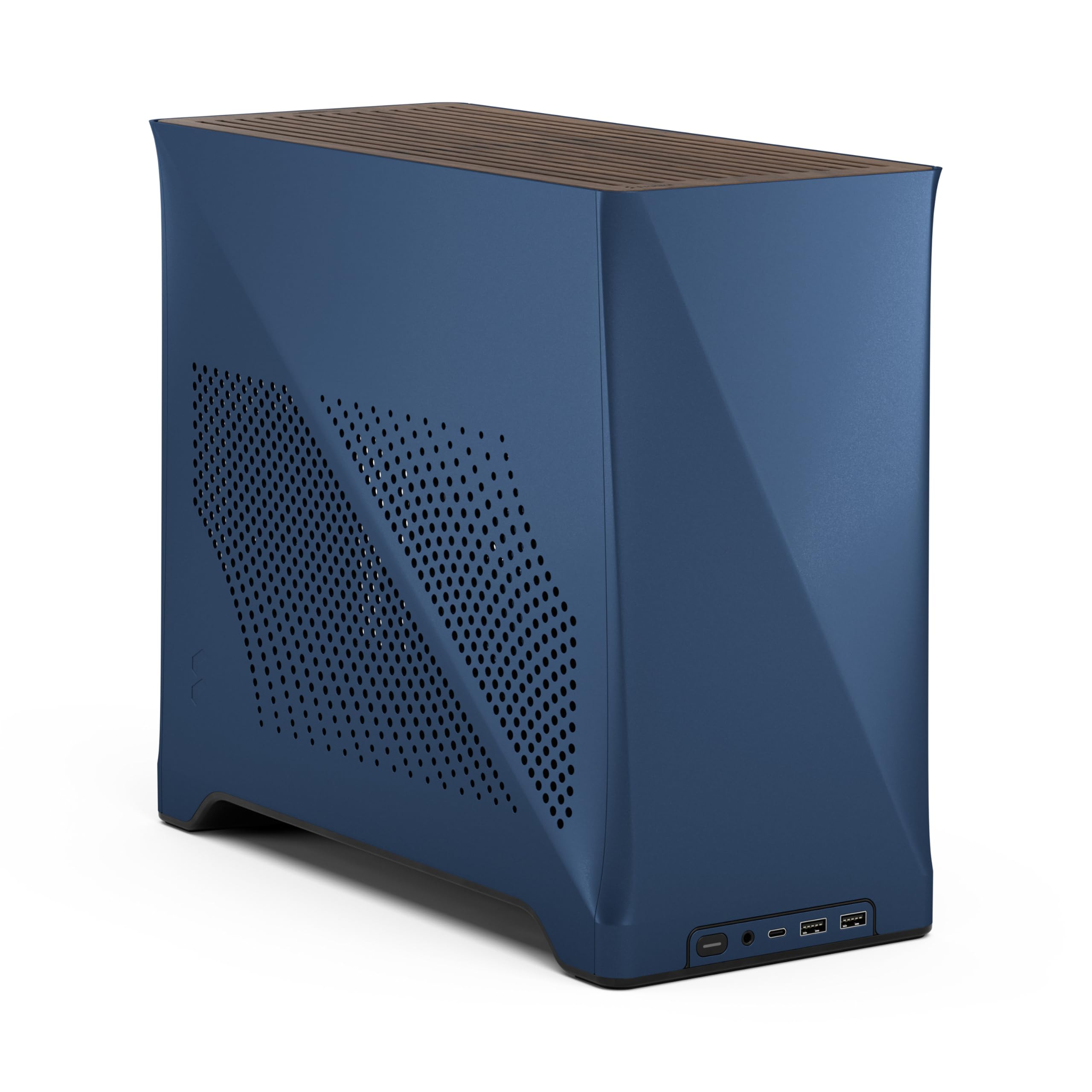

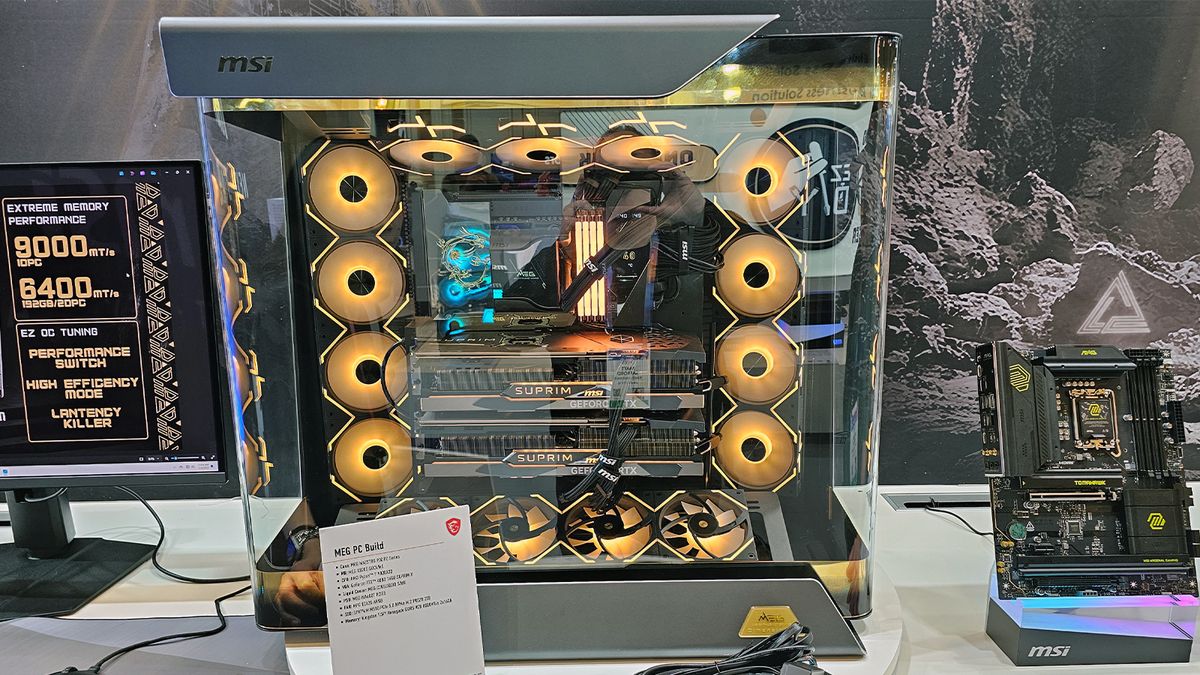
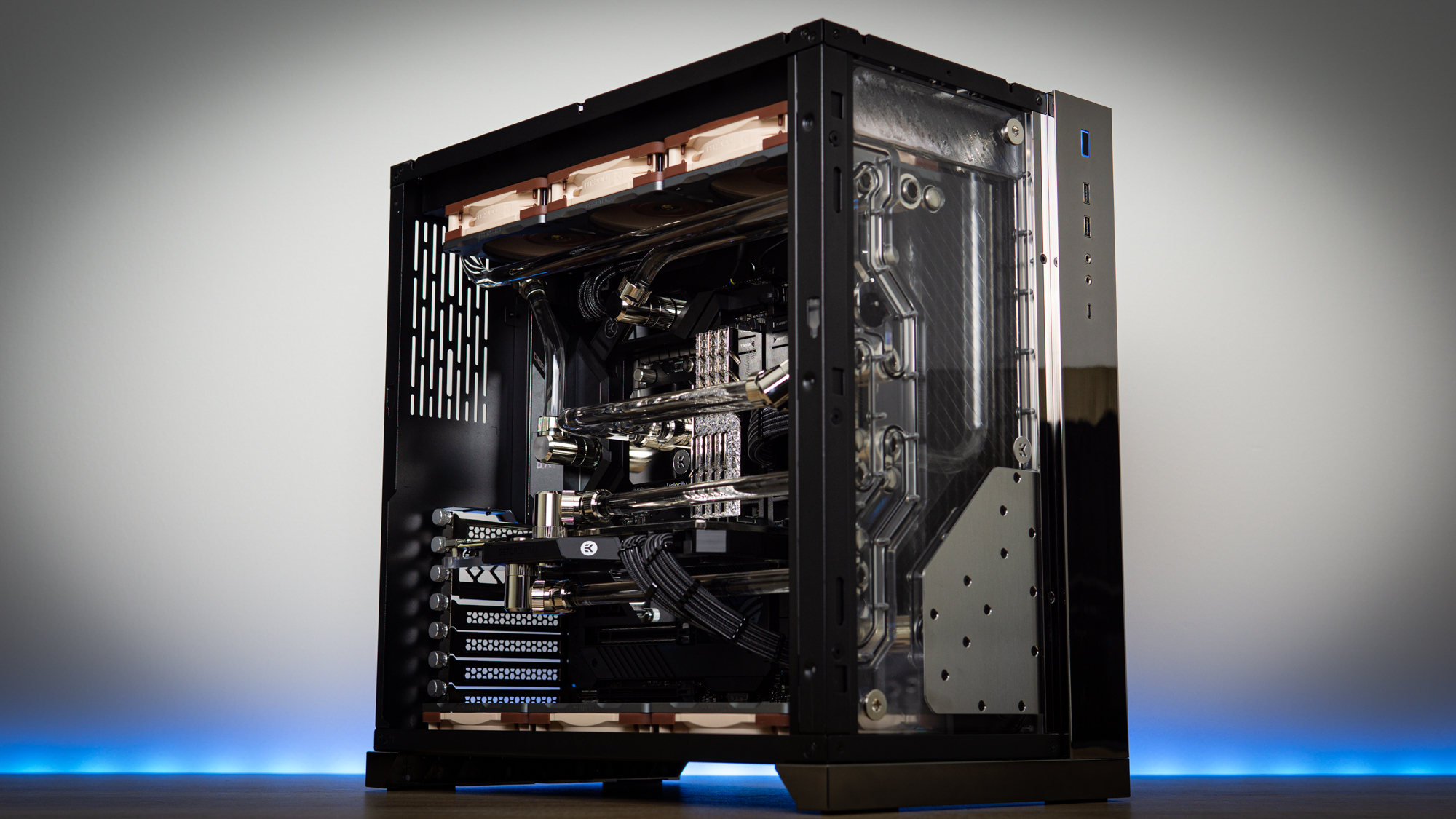
The Best PC Cases For 2026 Apnx V1 56am . Fractal Design Era 2 ITX PC Case Review UK 2026 Build Tested Fractal Design Era 2 ITX PC Case In Midnight Blue 01d0c960 . Chassis Countdown 10 Best New PC Cases From CES 2025 PCMag 11 . System Build Ars Technica System Guide Falling Prices Are More 1200 80 . Best Mini ITX Cases 2026 Our Tested Picks For Compact PC Builds Tom
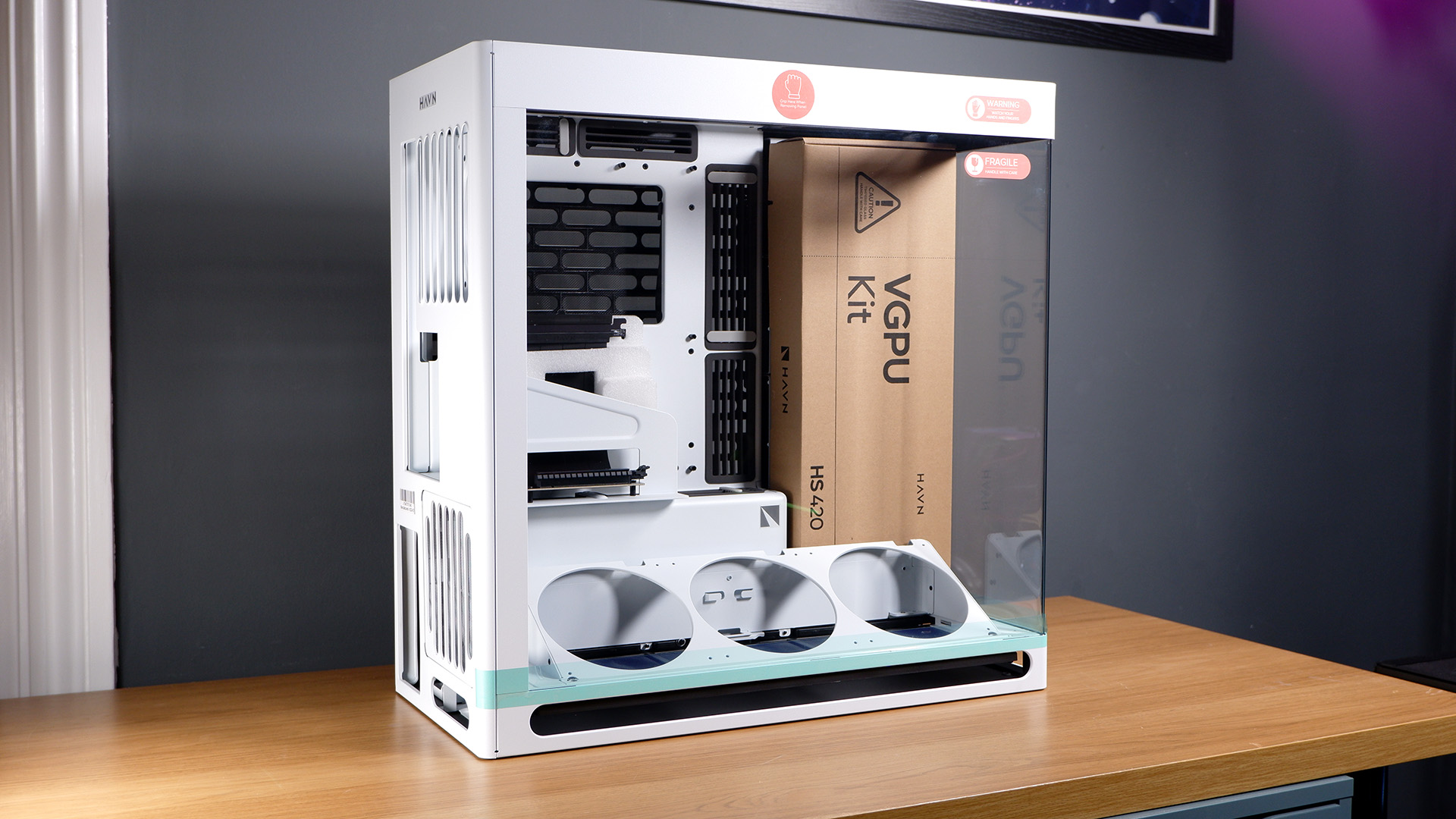


The Best Mini ITX PC Case In 2024 The Top Tiny Cases I Ve Tested To . The 15 Best PC Cases Of 2026 What In Tech Antec Torque 2 . Best PC Cases 2026 Airflow Water Cooling Gaming PC Guide Best Case For RTX 5090 In 2025 Our Top Choices . How To Build A Gaming PC In 2026 Complete Parts Guide And Assembly Gaming Pc Build 2026 Hero . The Best Gaming PC Builds For 2026 Top Picks And Reviews Best Pc Build 300x300


The ROG Cronox ARGB Gaming PC Case Stuns With An LCD Screen Panoramic. The 10 Best Looking PC Cases In 2026 What In Tech Corsair 680X RGB Edition 1536x1112 . Wow Worthy Builds Only The 12 Top PC Cases We Saw At CES 2026 PCMag 18 . Wow Worthy Builds Only The 12 Top PC Cases We Saw At CES 2026 Inwin Aeon 732q . The 15 Best PC Cases Of 2026 What In Tech Lian Li Dynamic PC O11


Best Mini ITX PC Cases 2026 9meters 815bQQl3DmL . Case Modding Panorama 360 Build HPNY 2026 2301 DSC03334 . Best Gaming PC Builds For 2026 Best Gaming PC Builds For 2026.webp. The Best PC Cases For Gaming In 2026 Best Pc Case . Wow Worthy Builds Only The 12 Top PC Cases We Saw At CES 2026 PCMag 43.fit Lim.size

Top White PC Cases 2026 Best White Pc Case Sa 2026 Banner.webp. The 10 Best Looking PC Cases In 2026 What In Tech Best PC Cases 1024x683 . Case Mod Friday Bitspower CES 2026 Build Org DSC04873. The Complete Custom PC Building Guide For 2026 Alexandria Customs Pc 4136383 1920 . How To Build A Custom PC In 2026 Parts List Steps Pro Tips SL500


Custom Gaming PC Builder In India Where To Buy How To Choose 2026 Custom Gaming PC Builder In India 1200x800 . 10 Best PC Cases For Engineering April 2026 Workstation Build Guide Best PC Cases For Engineering 1024x559 . Future Proof PC Build 2026 Essentials Future Proof Pc Build Guide 2026 Banner.webp. PC Project 2026 Where To Start With Building Your Own Gaming PC CCL CCL 667 BLOG BUILD GUIDE 1980x1080 . Best PC Cases UK 2026 6 Tested Ranked By Experts Best PC Cases UK 2026 6 Tested Ranked By Experts F1bfa0a7



How To Build Gaming PC Guide 2026 Step By Step Budget Gaming PC 2026 Gaming Pc . Top Custom PC Builds For Streaming Gaming And Content Creation In SL500 . Best Dual System PC Cases 2026 Expert Reviews Comparisons Featured Image 8skxuxwx . How To Build A Gaming PC In 2026 Complete Beginner Guide How To Build Gaming Pc 2026 . Wow Worthy Builds Only The 12 Top PC Cases We Saw At CES 2026 Inwin Aeon 4ydd