Navigating the complexities of network performance is crucial for serious PC gamers in 2026. This comprehensive guide delves into whether Dynamic Quality of Service (QoS) truly enhances your online gaming experience, particularly with the advent of AI-driven games and cloud streaming. We explore how Dynamic QoS prioritizes gaming traffic, mitigates lag and packet loss, and impacts modern high-bandwidth connections. Understand its mechanisms, optimal configurations, and potential pitfalls, offering essential insights for achieving smoother, more responsive gameplay. Discover if investing time in Dynamic QoS settings is a game-changer for your low-latency demands or if other network optimizations yield better results in today's evolving digital landscape. Perfect for enthusiasts seeking every competitive edge and casual players aiming for a frustration-free session. This article will thoroughly answer whether does dynamic qos improve gaming for your specific setup.
Does Dynamic QoS improve gaming performance on high-speed internet?
While Dynamic QoS can help, its impact on very high-speed, uncongested internet connections is often minimal. These connections typically have enough bandwidth to handle multiple tasks simultaneously without significant slowdowns. Dynamic QoS is most effective when your network experiences contention, prioritizing gaming packets over other demanding activities to prevent lag spikes.
Can Dynamic QoS fix all my gaming lag issues?
No, Dynamic QoS cannot fix all gaming lag. It primarily addresses issues related to local network congestion and bandwidth contention within your home. It cannot compensate for slow internet service provider (ISP) speeds, server-side lag, poor Wi-Fi signal strength, or routing issues outside your home network, which require other solutions.
Is Dynamic QoS necessary for single-player games?
Dynamic QoS is generally not necessary for single-player games, as these titles typically do not rely on a constant, low-latency online connection. Its benefits are almost exclusively for online multiplayer gaming, where real-time data exchange and minimal latency are critical for a smooth and competitive experience. It may offer slight benefits for background game updates.
What is the difference between QoS and Dynamic QoS?
QoS (Quality of Service) is a broad term for network traffic management. Static QoS requires manual configuration of bandwidth limits for applications or devices. Dynamic QoS, however, automatically detects and prioritizes latency-sensitive traffic like gaming, adapting in real-time to network conditions without constant manual input, making it more flexible and often more effective for varied network usage.
How do I know if Dynamic QoS is working for my gaming?
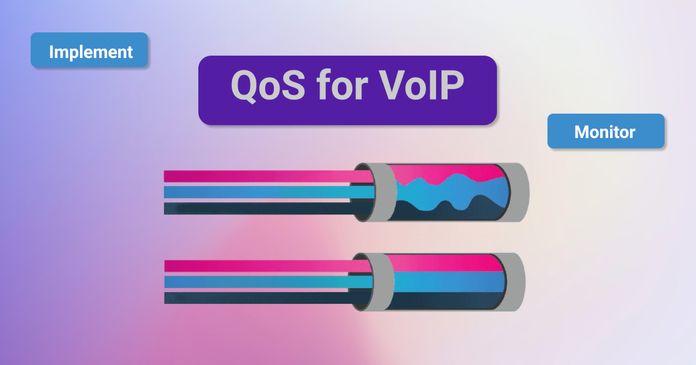
To determine if Dynamic QoS is effective, monitor your in-game ping and network statistics before and after enabling/configuring it. Look for reduced latency spikes, more consistent ping, and fewer instances of packet loss during peak network usage, especially when other devices are active. Tools like PingPlotter can offer deeper insights.
Should I prioritize my gaming console or PC for Dynamic QoS?
Prioritize the specific device you use most for competitive online gaming, whether it's your gaming PC or console. Many routers allow you to specify devices by MAC address or IP address for guaranteed priority. This ensures that whatever platform you choose for your critical gaming sessions receives the highest network preference over other devices on your home network.
What if my router doesn't have Dynamic QoS?
If your router lacks Dynamic QoS, you might consider upgrading to a newer model, especially a gaming-focused router, which typically includes advanced traffic management features. Alternatively, you can try basic QoS settings if available, or rely on other network optimizations like ensuring a wired connection, minimizing background downloads, and optimizing Wi-Fi channels to reduce interference.
Guide: Does Dynamic QoS Improve Gaming? 2026 Insights
In the vibrant and ever-evolving landscape of PC gaming in 2026, where titles like 'Cyberpunk 2077: Phantom Liberty 2.0,' 'Elden Ring 2,' and groundbreaking AI-enhanced experiences demand pristine network performance, every millisecond counts. As gamers increasingly flock to high-refresh-rate monitors and engage in ultra-responsive online skirmishes, the question 'does dynamic QoS improve gaming' has become more pertinent than ever. With cloud gaming platforms maturing and competitive multiplayer reaching new heights, ensuring your internet connection prioritizes your gaming traffic is paramount. This in-depth article, crafted by a seasoned PC gaming enthusiast, delves deep into the mechanics of Dynamic Quality of Service (QoS), evaluating its real-world impact on reducing latency, combating packet loss, and smoothing out your online gameplay in 2026. We'll unravel whether this router feature is a genuine game-changer or merely an overhyped setting. Get ready to optimize your network and dominate the digital arena!
The rise of high-speed fiber internet in metropolitan areas and the push for seamless cloud gaming experiences mean that local network optimization is critical. While raw bandwidth is essential, how that bandwidth is managed within your home network often dictates your actual gaming experience. Many gamers wonder, does dynamic QoS improve gaming enough to warrant the setup? Let's explore the intricacies of this technology and provide actionable insights for U.S. PC gamers aged 18-45 who are always seeking a competitive edge or simply a smoother casual experience.

Understanding Dynamic QoS: The Network Traffic Cop
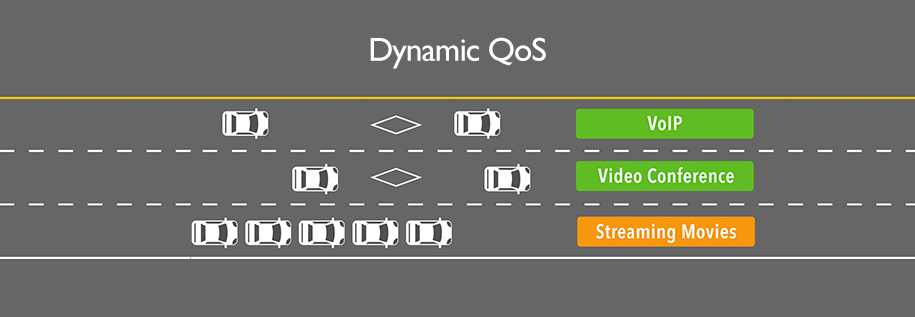
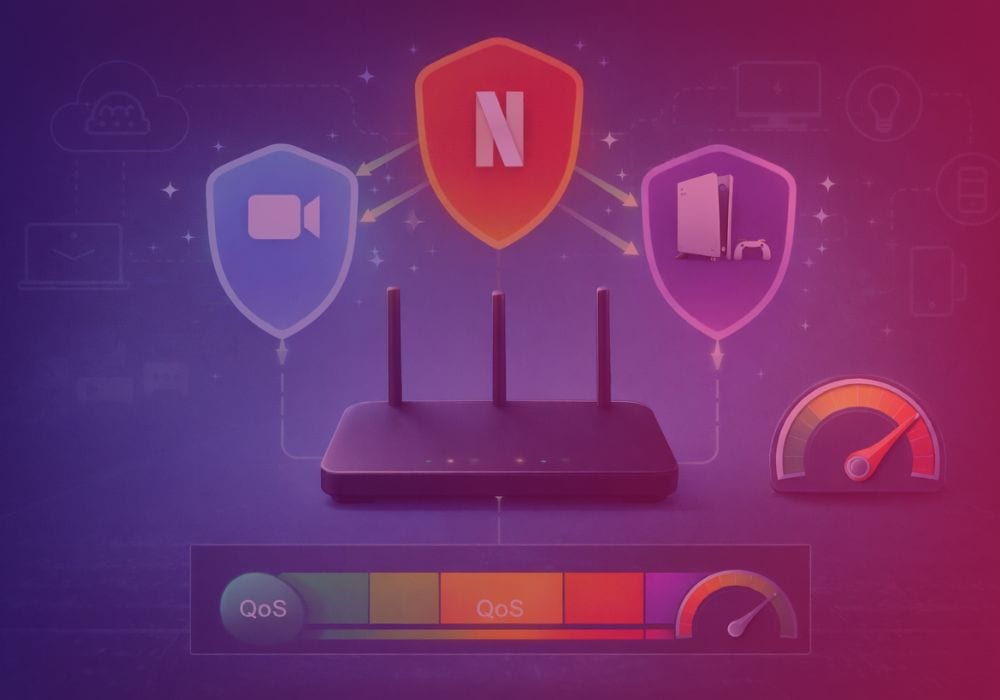
Dynamic Quality of Service (QoS) is a sophisticated router feature designed to manage and prioritize network traffic effectively. Unlike static QoS, which often requires manual configuration of bandwidth limits for specific applications or devices, Dynamic QoS intelligently monitors real-time network activity. When it detects latency-sensitive traffic, such as online gaming data, it automatically prioritizes those data packets over less time-critical activities like large file downloads, 4K video streaming, or background system updates. This dynamic adjustment aims to reduce latency and bufferbloat, ensuring a smoother and more responsive experience for high-priority applications like your favorite online shooter or MMORPG.
In 2026, advanced Dynamic QoS implementations often leverage machine learning algorithms to identify and categorize traffic patterns with greater accuracy, adapting to new game protocols and streaming codecs faster. This allows for more granular control and better optimization than previous generations of QoS. Routers equipped with these advanced features can differentiate between various types of gaming traffic, applying specific rules to minimize ping and maximize stability, crucial for competitive titles where even a slight delay can mean defeat.
The Core Question: Does Dynamic QoS Improve Gaming in 2026?
The short answer is: yes, Dynamic QoS can significantly improve gaming performance, but its effectiveness is highly situational. It's not a universal fix for all network woes, but under the right circumstances, it can be a genuine game-changer for PC gamers.
Factors Influencing Dynamic QoS Effectiveness:
- Network Congestion: This is where Dynamic QoS shines brightest. If your home network has multiple users simultaneously streaming, downloading, or video conferencing, your gaming traffic might struggle for bandwidth. Dynamic QoS ensures your game data gets preferential treatment, mitigating lag spikes caused by internal network contention.
- Internet Speed: For very high-speed, uncongested fiber optic connections (e.g., 1 Gbps or more), the impact of Dynamic QoS might be less noticeable. These connections often have ample bandwidth to handle multiple demanding tasks without significant slowdowns. However, even on fast connections, it can still help prevent bufferbloat.
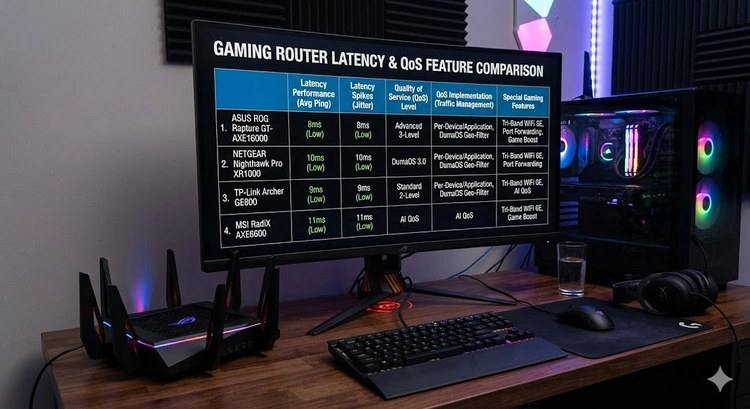
- Router Capability: The quality and processing power of your router play a crucial role. Older or budget routers might have less efficient QoS implementations, or their hardware might struggle with the overhead of real-time traffic analysis, potentially introducing a slight latency increase. Modern gaming routers from brands like ASUS ROG, Netgear Nighthawk, or TP-Link Archer typically feature highly optimized Dynamic QoS engines.
- Type of Game: Fast-paced online multiplayer games (FPS, fighting games, MOBAs) benefit most from reduced latency and consistent connections. Single-player games or turn-based online games will see minimal impact.

Deep Dive into Dynamic QoS for Gaming: FAQs
What is Dynamic QoS and how does it affect gaming?
Dynamic QoS (Quality of Service) intelligently prioritizes network traffic, giving preference to latency-sensitive applications like online gaming. It works by monitoring network activity in real-time and dynamically adjusting bandwidth allocation to minimize lag and ensure smoother gameplay, especially on congested home networks. It identifies gaming packets and moves them to the front of the line.
Does Dynamic QoS really reduce lag in PC games?
For many PC gamers, particularly those on shared or moderately congested home networks, Dynamic QoS can significantly reduce lag by ensuring gaming data packets are processed first. However, it's not a magic bullet for fundamental internet speed limitations or issues outside your local network. It primarily addresses *internal* network contention.
When is Dynamic QoS most beneficial for gamers?
Dynamic QoS is most beneficial when multiple devices on your home network are simultaneously consuming high bandwidth, such as streaming 4K video, downloading large files, or conducting video calls. In these scenarios, it prevents other activities from hogging bandwidth and impacting your game's latency, ensuring your competitive match stays smooth.
Are there any downsides to using Dynamic QoS for gaming?
While beneficial, misconfigured Dynamic QoS can sometimes cause issues. Overly aggressive settings might throttle other important network traffic (e.g., slow down a critical work video call). On very high-speed, uncongested networks, the overhead processing might slightly, imperceptibly increase latency. Always test settings and monitor performance.
How do I enable and configure Dynamic QoS for gaming?
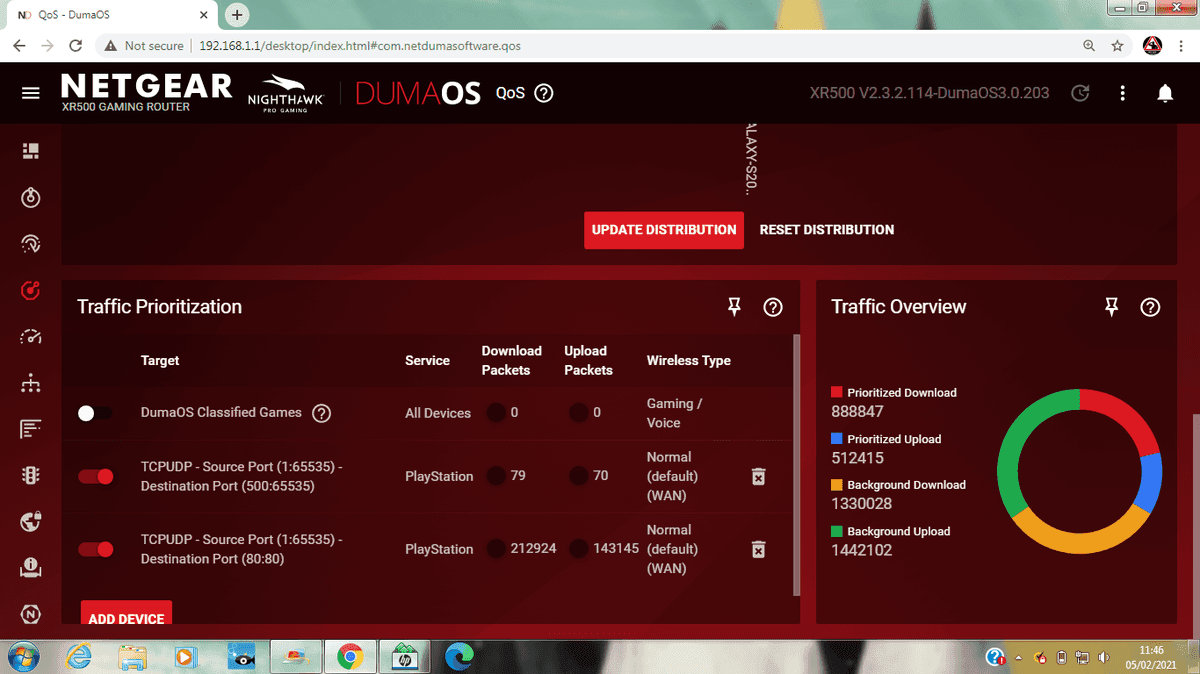
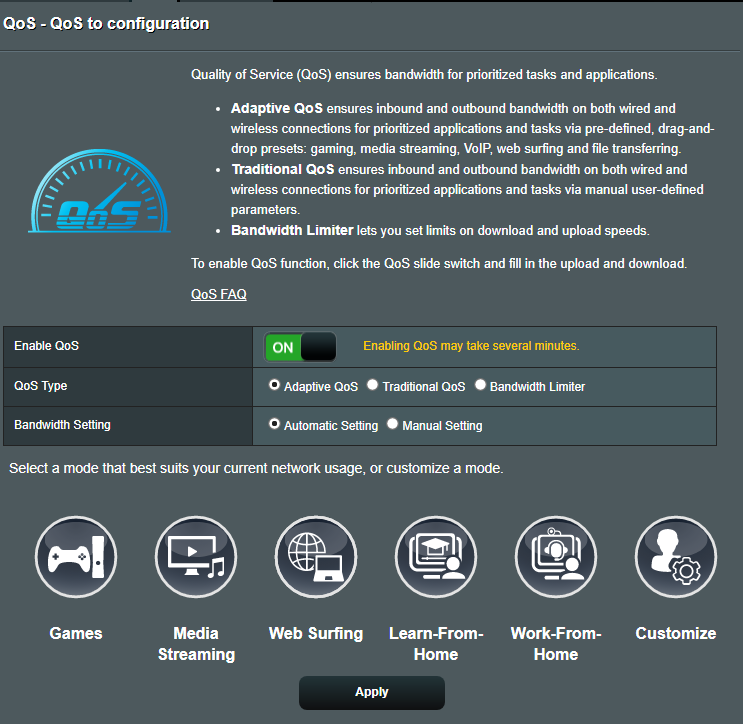
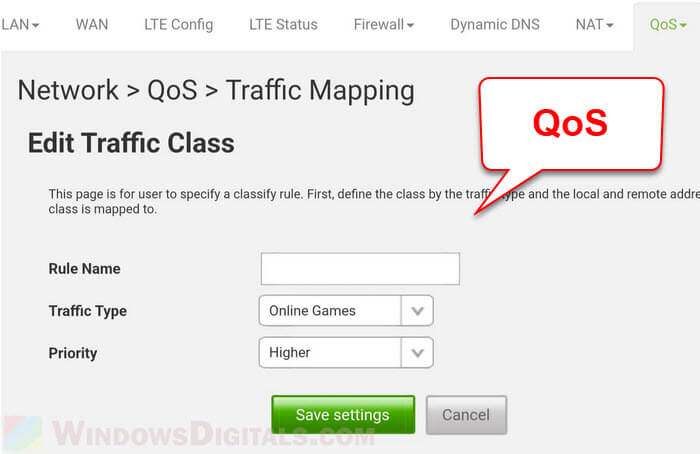
Enabling Dynamic QoS typically involves accessing your router's administration interface, usually via a web browser (e.g., typing 192.168.1.1 or 192.168.0.1 into your browser). Look for 'QoS,' 'Traffic Prioritization,' or 'Gaming Mode' settings. You'll often find options to prioritize devices (e.g., your gaming PC), applications (e.g., Steam, Battle.net), or specific types of traffic. Consult your router's manual for exact steps and available features. Many modern routers offer a simple toggle for 'Gaming QoS' or even AI-driven optimization.
Is Dynamic QoS better than traditional static QoS for gaming?
Dynamic QoS generally offers a more intelligent and adaptable solution for gaming than static QoS. Static QoS requires manual configuration of bandwidth limits for specific applications or devices, which can be rigid and less efficient for fluctuating network demands. Dynamic QoS adjusts in real-time based on actual usage, making it more effective for varied network scenarios.
What are the key differences between upstream and downstream QoS?
Upstream QoS manages outgoing data from your network, which is crucial for gaming as your input commands, voice chat, and other real-time interactions travel this path. Downstream QoS manages incoming data, which includes game updates, video streams, and the general internet content you receive. While both are important, upstream prioritization is often more impactful for reducing latency in online gaming interactions because most home internet connections have significantly lower upload speeds than download speeds.
Does my router support Dynamic QoS for gaming?
Most modern gaming routers and many mid-range consumer routers manufactured in 2023-2026 come equipped with some form of Dynamic QoS or intelligent traffic prioritization. Brands like Netgear, ASUS, Linksys, TP-Link, and Ubiquiti often feature robust QoS suites. You'll need to check your router's specifications or log into its admin panel to confirm the availability and capabilities of its QoS features. Older or entry-level models might lack this functionality or have a very basic implementation.
Can Dynamic QoS improve Wi-Fi gaming performance?
Dynamic QoS can certainly improve Wi-Fi gaming performance by ensuring gaming traffic gets priority over other wireless devices on your network. However, it won't mitigate fundamental Wi-Fi issues like signal interference, weak signals, or physical obstructions. For optimal and most consistent performance, especially in competitive gaming, a wired Ethernet connection remains superior, even with excellent QoS and Wi-Fi 6E/7 technology.
What other network optimizations should I combine with Dynamic QoS?
For peak gaming performance in 2026, combine Dynamic QoS with a wired Ethernet connection to your gaming PC, updated router firmware, and optimal router placement (if using Wi-Fi, ensure it's centrally located and free from obstructions). Consider using custom DNS servers (like Google DNS or Cloudflare's 1.1.1.1) for faster lookups, disabling VPNs for gaming where possible as they add latency, and ensuring your modem is up-to-date. Regularly monitoring network usage and performing speed tests can also help identify bottlenecks.

Troubleshooting and Best Practices for Dynamic QoS
Configuring Dynamic QoS isn't always a 'set it and forget it' process. Here are some best practices and troubleshooting tips to ensure you're getting the most out of it:
- Update Firmware: Always ensure your router's firmware is up-to-date. Manufacturers frequently release updates that improve QoS algorithms, patch vulnerabilities, and enhance overall network performance.
- Prioritize Devices, Not Just Apps: Some routers allow you to prioritize specific devices (e.g., your gaming PC or console) instead of just applications. This can be more effective as it ensures all traffic from that device gets priority.
- Experiment with Settings: Don't assume default settings are optimal. Start by enabling basic gaming prioritization, then gradually adjust bandwidth limits or priority levels if available, monitoring your in-game ping and experience after each change.
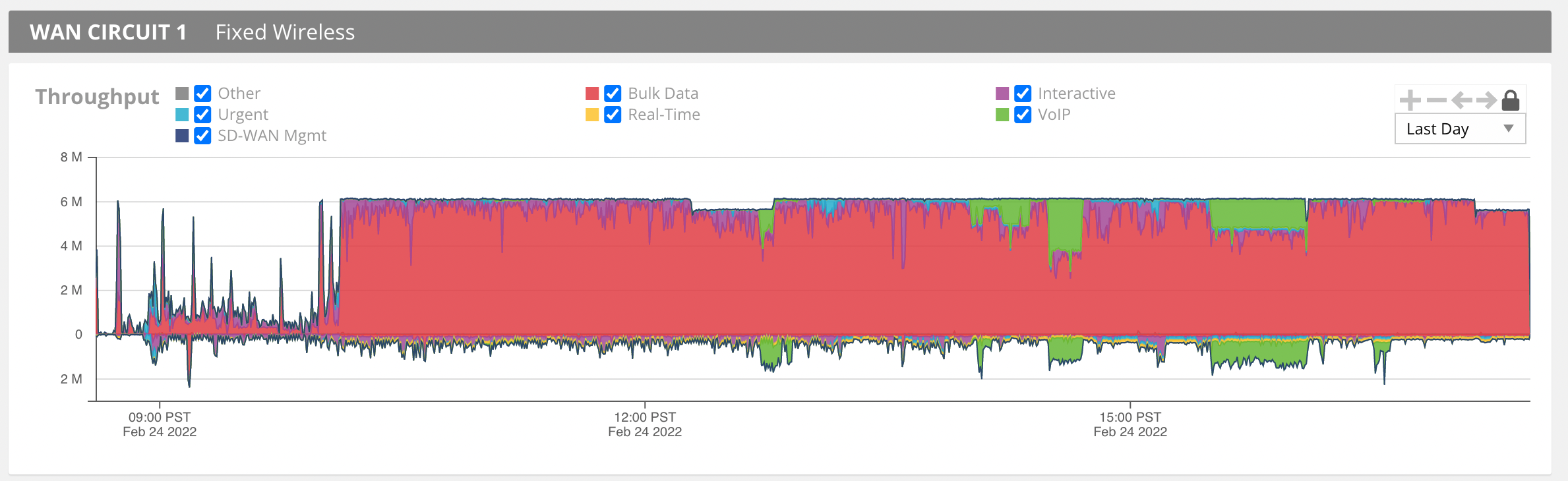
- Monitor Network Activity: Use your router's built-in network monitoring tools (if available) or third-party software to see how traffic is being prioritized. This helps confirm if QoS is working as expected.
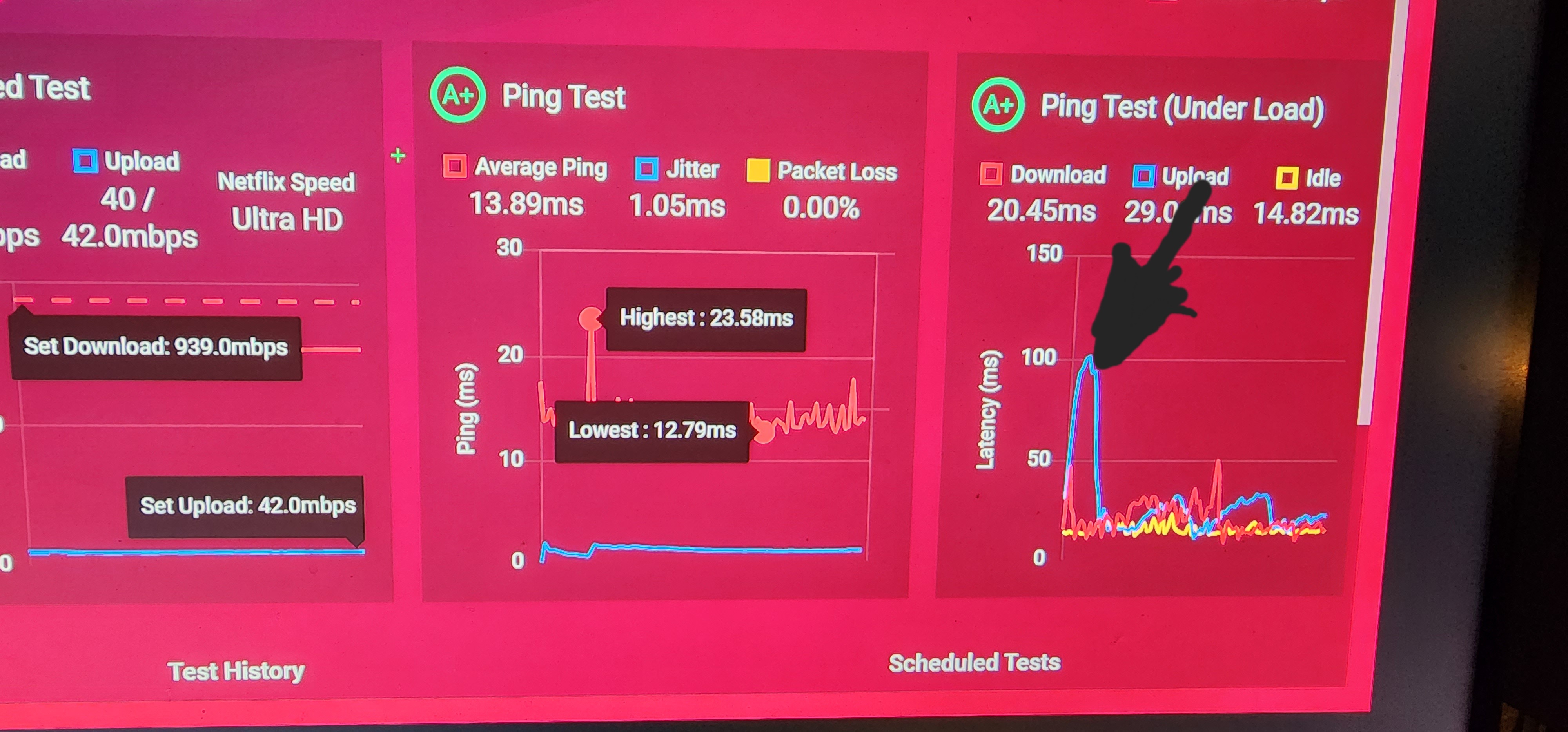
- Test Under Load: The true test of Dynamic QoS comes when your network is busy. Have someone stream 4K video or download a large file while you game to see its real impact.
- Avoid Over-Prioritization: While it's tempting to set everything to maximum priority, this can sometimes lead to unintended consequences, throttling other essential background services. Be selective.
The Future of Network Optimization and Gaming in 2026
As we move further into 2026, network optimization for gaming will continue to evolve. We're already seeing the advent of Wi-Fi 7 (802.11be) with its ultra-low latency and higher throughput, potentially reducing the reliance on wired connections for some gamers. Furthermore, AI-driven networking features within routers are becoming more sophisticated, capable of predicting network demands and prioritizing traffic even more intelligently without manual intervention. Cloud gaming platforms will demand even more robust and adaptive QoS solutions from both ISPs and home routers.
The underlying question, 'does dynamic qos improve gaming,' will likely shift from a simple yes/no to 'how much does advanced dynamic QoS enhance the specific needs of next-gen gaming and cloud streaming?' Expect tighter integration between game clients, operating systems, and router firmware to create a truly seamless, optimized gaming experience that dynamically adjusts to your current network conditions and game requirements.
Conclusion: Is Dynamic QoS Worth It for Your Gaming Setup?
In summary, while Dynamic QoS isn't a magical cure-all for poor internet connections or inherent latency issues beyond your control, it can be a valuable tool in 2026 for enhancing your online gaming experience, especially on shared, congested home networks. It works best when properly configured and understood, acting as a smart traffic cop for your data. For U.S. PC gamers seeking every competitive advantage, or simply a smoother, lag-free experience, taking the time to explore and configure your router's Dynamic QoS features is a worthwhile endeavor. Experiment with your router's settings, monitor your in-game performance, and combine Dynamic QoS with other optimization techniques for the best results. Don't let network congestion stand between you and your next victory. Share your Dynamic QoS experiences or favorite network optimization tips in the comments below!
About the Author: GamingTech Pro is a veteran PC gamer and network optimization expert with over 15 years in the field. He specializes in dissecting complex hardware and software solutions to help fellow enthusiasts achieve peak performance. When he's not fine-tuning his custom rig, he's immersed in the latest AAA titles, always on the lookout for the next big thing in gaming tech.
Dynamic QoS aims to prioritize gaming traffic reducing latency and lag. Its effectiveness varies significantly based on internet speed, network congestion, and router capabilities. While beneficial on shared, congested networks, high-speed dedicated connections may see minimal improvement. Proper configuration is crucial, and it's not a magic bullet for all network issues.
34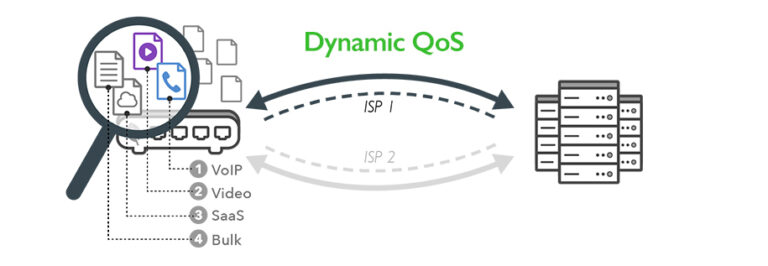

What Is Dynamic QoS A Smarter Way To Prioritize Internet Traffic Bigleaf Dynamic Qos Header Blog 915x317 1 768x266 . PUBG Mobile QoS Setup 2025 Complete Guide To 80 Ping BitTopup . What Is Dynamic QoS A Smarter Way To Prioritize Internet Traffic Bigleaf QoS In Action . Guide Pratique Configurer Le QoS Pour Am Liorer Le Gaming Agence Guide Pratique Configurer Le Qos Pour Ameliorer Le Gaming . Article Dynamic Qos Without HotSpot Authen Dynamic Qos


QOS And Connection Benchmark NETGEAR Communities 20220928 080009 . Best Budget Routers Under 100 In 2026 RouterHax Best Gaming Routers 01. NAT Boost Vs QoS Which Is Better For Gaming NAT Boost Vs QoS Which Is Better For Gaming 300x167 . What Is QOS And Dynamic QOS Should You Use It The Tech Lounge What Is Qos . 15 Best Gaming Routers With Qos That Will Elevate Your Play In 2026 A Top Gaming Routers 2026 Sxcgz


What Is Dynamic QoS A Smarter Way To Prioritize Internet Traffic Bigleaf Dynamic Qos Blog 915x317 1 . How To Optimize Your Internet Connection For Gaming TechSpot 2020 12 02 Image 7 . What Is QoS What Type Of Network Traffic Requires QoS Benefits FAQs What Type Of Network Traffic Requires Qos . A Complete Guide To QoS In Networking For Superior Performance And QoS In. NAT Boost Vs QoS Which Is Better For Gaming QoS For Gaming



Dynamic QoS For Video Systems PDF 1. Best Gaming Tweaks For 2026 Optimize Your Internet Connection For Qos . Top Gaming Trends Of 2026 TREND . What Is Internet Qos At Donald Altman Blog . Cisco Qos Diagram At Christopher Dodd Blog What Is Quality Of Service Diagram



Future Of Gaming Top Trends Shaping 2025 2026 Frame 758532776 2. QoS Settings Explained When They Help And When They Re Hype RottenPanda Qos And Limitations 7wacl . Calm Down Internet Xbox S Exit The Gaming Business By 2027 Quote Is . Game Development Trends 2026 IMG Cover 1 . A Proactive Approach To Network Performance Management Obkio 696px How To Qos For Voip



The Best SSD For The Steam Deck Xbox ROG Ally And Ally X In 2026 . QoS On Routers When It Improves Wi Fi And When It Makes It Worse Wifi Qos. What Is QoS And How Do I Set It Up On My Router Swoop What Is QoS Router . How Does Dynamic QoS Help Improve My Nighthawk Router S Internet Metadata Img . Sensor Tower State Of Gaming 2026 By Dmitriy Byshonkov 8a8e4054 45d3 48ff 8ee6 2404x948


NAT Boost Vs QoS For Gaming Which Is Better Na Boost Vs Qos . Quality Of Service QoS Quality Of Service Qos.html 3 . Sensor Tower State Of Gaming 2026 By Dmitriy Byshonkov Ffb43ca5 450e 4648 Bb31 1586x1384 . Improve Lag Prioritise Your Xbox In Network Settings With QOS YouTube