Navigating the digital playground while managing real-world responsibilities can be a complex challenge for many US gamers. With an average age of around 36, a significant portion of the gaming community balances full-time jobs, family commitments, and personal well-being alongside their passion for gaming. This comprehensive guide explores practical strategies for identifying and addressing the signs of problematic gaming, often termed 'gaming addiction,' ensuring that your hobby remains a source of relaxation, social connection, and skill-building rather than a source of stress or conflict. Discover actionable steps to reclaim control, set healthy boundaries, and foster a balanced lifestyle where gaming enhances your life without dominating it. Learn about effective communication with loved ones, budget-friendly hardware upgrades, finding suitable games for limited time, and maintaining performance while prioritizing overall well-being. This resource is designed for the modern gamer seeking sustainable enjoyment and a harmonious life, offering insights into recent trends like mobile gaming dominance and the rise of social interactive experiences.
What are the initial signs I might be struggling with gaming addiction?
Often, the first signs include gaming for longer than intended, feeling irritable or anxious when you can't play, neglecting chores or work, and lying about gaming time. You might also notice a loss of interest in previously enjoyed activities or using gaming as an escape from real-life problems. For US gamers balancing work and family, these subtle shifts can be easy to overlook at first but become more noticeable as responsibilities pile up.
How do I even begin to cut down on gaming without feeling deprived?
Start small. Try scheduling specific gaming times, rather than playing whenever you feel like it. Identify triggers that make you want to game excessively, like stress or boredom, and find healthy alternatives. Consider replacing one gaming session with another activity you enjoy, like a walk or reading, to gradually shift your habits.
What if my family or friends don't understand my gaming habits?
Open communication is key. Explain why gaming is important to you for relaxation, social connection, or skill-building. Then, genuinely listen to their concerns. Work together to set clear boundaries and expectations for gaming time. Sometimes involving them in a cooperative game can help them understand its appeal, while also showing them you're willing to engage with them outside of it.
Are there specific genres of games that are more prone to causing addiction?
Games with endless progression, strong social components, competitive ranks, and frequent updates like many MMORPGs, MOBAs, and battle royales can be particularly engaging and, for some, harder to step away from. Free-to-play titles with microtransactions also present unique challenges by constantly enticing players to invest more time or money. This month, many social simulation games or online co-op experiences are trending, offering deep engagement that can also become consuming.
When is it time to seek professional help for gaming addiction?
If gaming is consistently causing significant problems in your life impacting your job, relationships, finances, or physical health and you've tried to cut back without success, it's time to seek professional help. A therapist specializing in behavioral addictions can provide strategies and support tailored to your situation, offering a non-judgmental space to explore underlying issues.
Can I still enjoy gaming responsibly after struggling with addiction?
For many, the goal isn't to quit entirely but to achieve responsible, balanced gaming. This involves setting strict limits, engaging in other activities, and being mindful of triggers. Some may find complete abstinence necessary, while others can return to gaming in moderation with careful management and ongoing self-awareness. It's a journey of understanding your personal boundaries.
What resources are available for family members of someone with gaming issues?
Families can find support through organizations focused on addiction, local counseling services, and online forums dedicated to gaming-related concerns. Resources like GameQuitters.com or family therapy can provide guidance on communication, setting boundaries, and coping with the impact of excessive gaming on the household. Support groups can offer shared experiences and strategies.
How does balancing gaming with a busy work schedule even work?
Effective time management is crucial. Treat gaming like any other appointment schedule it in. Focus on shorter gaming sessions or specific game modes that fit your available time. Many adult gamers, often around age 36, find success by designating gaming for specific evenings or weekends, ensuring work and family commitments are met first. Prioritize quality over quantity.
What are some non-gaming ways to de-stress after a long day?
Instead of immediately turning to games, try activities like reading a book, going for a walk, listening to music, meditating, engaging in a creative hobby like drawing or writing, or spending quality time with family without screens. Physical activity or a mindful moment can be incredibly effective stress relievers, offering a different kind of mental reset.
Is it possible to develop social skills through online gaming or does it hinder them?
Online gaming can foster social skills like teamwork, communication, and leadership, especially in cooperative or competitive team-based games popular among the 60% of US gamers who enjoy social play. However, relying solely on online interactions can sometimes hinder face-to-face social development. A healthy balance involves both digital and real-world social engagement.
How can I prevent gaming from impacting my sleep schedule?
Establish a strict "no gaming before bed" rule, ideally stopping at least 1-2 hours before sleep. The blue light from screens and the stimulating nature of games can disrupt melatonin production. Create a relaxing bedtime routine that doesn't involve screens, like reading a physical book or taking a warm bath, to signal your body it's time to wind down.
What budget-friendly hobbies can replace excessive gaming?
Many engaging hobbies don't break the bank. Consider hiking, cycling, learning a new language with free apps, drawing, writing, cooking new recipes, volunteering, or joining a local book club. Explore free community events, parks, or libraries. The goal is to find activities that provide a sense of accomplishment or enjoyment without the potential for financial or time drain.
For many US gamers, hitting that "play" button is about unwinding, connecting with friends, or mastering new skills. It's a cherished pastime for an estimated 87% of adult gamers who regularly engage, with many dedicating 10 or more hours a week to their passion. But what happens when that relaxation starts to feel less like a break and more like a compulsion? If you're an adult gamer, perhaps juggling a job, family, and other commitments, you know the delicate balance required. The lines between enthusiastic play and problematic engagement can blur, leaving you wondering how to help gaming addiction symptoms without giving up gaming entirely. This isn't about shaming your hobby; it's about empowerment. We're here to provide practical, real-world solutions for the modern gamer—someone like you who values gaming but also values a well-rounded, fulfilling life. Let's explore how to navigate this challenge, turning potential pitfalls into pathways for healthier, more enjoyable gaming habits, reflecting current trends in social gaming and cross-play that demand mindful engagement.
What are the key signs of problematic gaming or addiction?
Recognizing the red flags early is crucial for understanding how to help gaming addiction. Problematic gaming isn't just about how much you play, but how gaming impacts your life. Common indicators include a preoccupation with gaming, leading to thoughts about it even when not playing, and experiencing withdrawal symptoms like irritability or anxiety when unable to game. You might also find yourself needing to play for longer periods to feel satisfied, or struggling to cut back despite making promises to yourself or others. Many gamers, particularly those balancing careers and families, might notice they're neglecting responsibilities, such as work deadlines or family time, to game. Lying about gaming time to loved ones, using gaming as an escape from problems, and losing interest in previously enjoyed hobbies are also significant signs. If gaming is causing noticeable distress or impairment in your social, occupational, or other important areas of functioning, it's a clear signal that intervention is needed. Understanding these signs is the first step toward regaining control and ensuring gaming remains a positive force in your life.
How can I talk to a loved one about their gaming habits?
Approaching a loved one about their gaming habits requires empathy, preparation, and a non-confrontational tone. Avoid accusatory language; instead, express your concerns using "I" statements. For example, say "I feel worried when I see you missing sleep because of gaming" rather than "You always play too much." Choose a calm time and private setting when neither of you is stressed or distracted. Focus on specific behaviors and their impacts, not on labeling them an "addict." Present observed facts: "You've missed dinner with the family three times this week because you were gaming." Share how their gaming affects you and the family, whether it's less quality time, neglected chores, or financial strain from in-game purchases, a common trend among Gen Z/Millennial gamers. Be prepared for defensiveness and try to listen actively to their perspective. Suggest exploring solutions together, like setting shared activity times or seeking information about healthy gaming, rather than dictating rules. Frame it as a team effort to find balance, not an attack on their hobby. Remember, the goal is to open a dialogue and foster understanding, which is vital for effective support.
What practical steps can I take to reduce my gaming time?
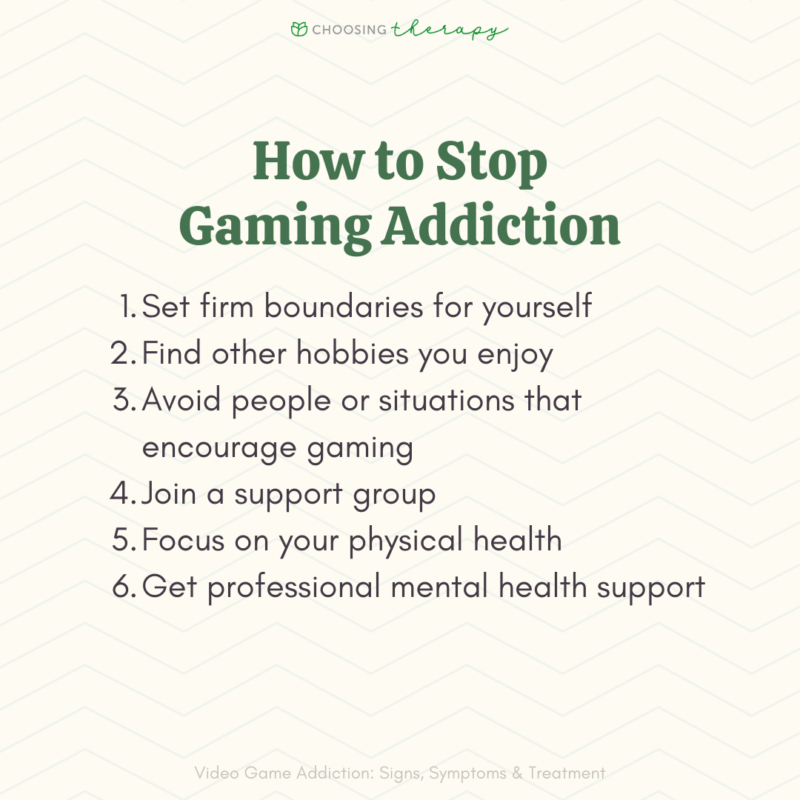
Reducing gaming time effectively involves intentional strategies and self-awareness. Start by tracking your current gaming habits without judgment for a week; this helps you understand your actual playtime and triggers. Next, set clear, realistic limits. Instead of aiming for zero, try cutting back by 30 minutes each day, or designating specific "gaming hours." Use built-in console/PC timers or third-party apps to enforce these limits. Physically move your gaming setup out of your bedroom to avoid late-night sessions. Identify the specific reasons you game excessively – is it boredom, stress, or social connection? Once you know your triggers, you can find alternative, healthier coping mechanisms. For instance, if you game due to boredom, pre-plan non-gaming activities. If it's stress, try meditation, exercise, or a creative hobby. Engage in "friction increasing" techniques: log out of accounts after each session, put your controller away, or even unplug your console. Communicate your goals with trusted friends or family for accountability. Remember, consistent small changes are more sustainable than drastic, short-lived restrictions, especially for busy adults trying to balance numerous commitments.
How do I find alternative hobbies that are as engaging as gaming?
Finding alternative hobbies that captivate you as much as gaming can feel challenging, but it's entirely possible. The key is to identify what aspects of gaming you enjoy most. Do you love the challenge and skill-building? Try learning a musical instrument, coding, or a complex board game. Is it the social connection? Join a local sports league, a book club, or volunteer group. Many US gamers value the social aspects, so consider in-person meetups or non-gaming online communities focused on shared interests. If you appreciate exploration and adventure, hiking, cycling, or photography might appeal. For those who enjoy relaxation and narrative, reading fiction, watching documentaries, or even creative writing can be fulfilling. Consider activities that offer a sense of progression or mastery, mirroring the level-up systems in games. Explore new cuisines by cooking, or delve into DIY projects. The goal is to discover activities that provide genuine satisfaction and a sense of accomplishment outside the digital realm. Mobile dominance in gaming means many people reach for their phones out of habit, so consciously replacing that reflex with another accessible activity, even for just a few minutes, can make a big difference.
When should I consider seeking professional help for gaming issues?
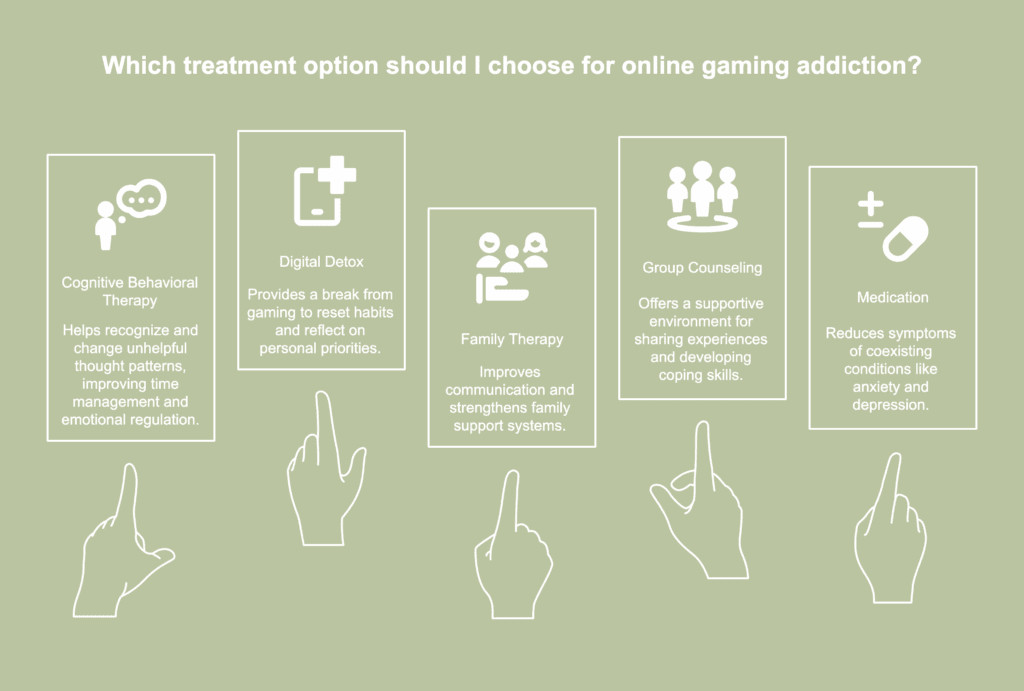
Deciding when to seek professional help for gaming issues is a significant step towards recovery and improved well-being. It's time to consider professional support if gaming consistently causes severe negative consequences in multiple areas of your life and you've been unable to cut back or stop on your own. These consequences might include significant problems at work or school, strain on key relationships, financial difficulties due to in-game purchases or neglect of responsibilities, or a noticeable decline in physical or mental health (e.g., poor sleep, hygiene, increased anxiety or depression). If gaming has become your primary coping mechanism for stress, sadness, or boredom, or if you experience intense cravings or withdrawal symptoms when not playing, a professional can offer critical guidance. The World Health Organization's recognition of Gaming Disorder highlights the seriousness of this issue. Therapists specializing in behavioral addictions, psychologists, or counselors can provide cognitive-behavioral therapy (CBT), motivational interviewing, or family therapy to address the underlying causes and develop healthy coping strategies. Don't view seeking help as a failure, but rather as a proactive and courageous decision to reclaim control of your life.
How can I set healthy boundaries for gaming with my family?
Setting healthy gaming boundaries with your family involves open communication, mutual respect, and consistent enforcement. First, establish clear rules about when and where gaming is permissible, and for how long. For example, "No gaming during family meals or after 9 PM." Explain the 'why' behind these rules to your family, emphasizing the importance of shared time and individual well-being. For parents with gaming children, consider using family contracts that outline expectations and consequences for breaking rules. For adult gamers living with partners or children, involve them in the boundary-setting process to foster a sense of shared responsibility. Designate specific gaming-free zones or times, such as a "no screens in the bedroom" rule or "family game night" that focuses on board games or outdoor activities. Be a role model by demonstrating your own healthy screen habits. It's essential to be consistent; bending the rules occasionally sends mixed signals. Remember, these boundaries are not meant to punish but to create a harmonious environment where everyone's needs for both connection and personal leisure are respected. Over 60% of US gamers enjoy social play, so finding ways to integrate family time into social gaming, or making non-gaming social activities appealing, can also strengthen bonds.
What strategies help balance gaming with work and other responsibilities?
Balancing gaming with work and other responsibilities requires disciplined time management and prioritizing real-world commitments. Treat gaming as a reward, not a default activity. Complete your essential tasks, whether for work, family, or personal well-being, before you start gaming. Schedule your gaming sessions like any other important appointment, allotting a specific time slot and sticking to it. For busy adults, breaking gaming into shorter, more frequent sessions might be more sustainable than long, uninterrupted stretches. Utilize your lunch breaks or commutes for non-gaming activities to mentally reset. Create a daily or weekly planner that allocates time for work, family, exercise, sleep, and gaming. Avoid starting a game if you only have a short window, as many modern games like those with deep progression or competitive modes can easily pull you in for hours. Consider co-op or social games that fit shorter playtimes, allowing you to connect with friends without over-committing. Regularly assess if your gaming is enhancing your life or detracting from it. Remember, 87% of US adults game regularly, averaging over 10 hours a week, so finding this balance is a common challenge that many successfully navigate by being intentional and disciplined.
Are there specific types of games or platforms that are more addictive?
While any game can become problematic for some individuals, certain types of games and platforms present higher risks due to their design. Massively Multiplayer Online Role-Playing Games (MMORPGs) like World of Warcraft, or competitive online games such as League of Legends and Valorant (MOBA and Battle Royale genres), are often cited. These games feature endless progression systems, strong social components through guilds or teams, constant updates, and competitive ranking systems that encourage continuous engagement. Free-to-play (F2P) mobile games are also particularly potent, as their accessibility, microtransactions, loot boxes, and push notifications are designed to maximize player retention and monetization. The convenience of mobile gaming, a dominant trend this month, means it can easily intrude on every aspect of daily life. VR experiments are also exploring immersive experiences that could heighten engagement. The constant feedback loops, unpredictable rewards, and social validation inherent in these game designs can create a powerful psychological pull, making it harder for some individuals, especially those using gaming to escape, to disengage. It's less about the game itself and more about how its mechanics intersect with an individual's vulnerabilities and coping mechanisms.
How can I manage in-game purchases and avoid overspending?
Managing in-game purchases and avoiding overspending is a critical aspect of responsible gaming, especially with the prevalence of microtransactions and loot boxes in today's titles. First, be aware of the psychological tactics used: often, virtual currencies obscure the real-world cost, and limited-time offers create a sense of urgency. Set a strict budget for in-game spending each month and stick to it. Treat this budget like any other expense. Consider using prepaid gift cards for purchases instead of linking your credit card directly; this creates a deliberate step between desire and purchase, making you more conscious of the actual money spent. Disable one-click purchasing options or require a password for every transaction on all your gaming platforms (PC, console, mobile). Research whether a game's microtransactions provide real value or are simply cosmetic. For competitive games, ask if spending actually improves your skill or just offers an aesthetic advantage. Many free-to-play games are designed to entice continuous spending; if you find yourself constantly buying, re-evaluate if that game is healthy for you. Remember, the value of money is a common concern for gamers balancing budgets, so mindful spending is key to sustainable enjoyment.
What role do friends and social communities play in overcoming gaming issues?
Friends and social communities play a dual role in gaming: they can be both a contributing factor to excessive play and a powerful source of support in overcoming gaming issues. If your primary social circle is entirely online and revolves solely around gaming, it can make disengaging incredibly difficult, as you might fear losing those connections. However, positive social support is one of the strongest predictors of successful behavior change. Communicate openly with your gaming friends about your desire to reduce playtime and explain why. True friends will understand and support your efforts, perhaps even joining you in trying new, non-gaming activities. Seek out communities and friends who share your values and interests beyond gaming. This could involve joining local clubs, volunteer groups, or online forums dedicated to other hobbies. These new connections can fill the social void left by reduced gaming and offer alternative ways to connect and belong. For many adult gamers, especially those juggling life responsibilities, social play (60% of US gamers enjoy it) is a huge draw, so finding a balance that includes both online and offline social interactions is vital for holistic well-being.
Is gaming addiction a real medical condition?
Yes, the World Health Organization (WHO) formally recognized Gaming Disorder as a behavioral addiction in its 11th Revision of the International Classification of Diseases (ICD-11). It is characterized by impaired control over gaming, increasing priority given to gaming over other activities, and continuation or escalation of gaming despite negative consequences. It is diagnosed after a persistent pattern of behavior lasting at least 12 months, causing significant distress or impairment across life areas.
Can mobile gaming lead to addiction?
Absolutely. Mobile gaming's accessibility, often free-to-play models, microtransactions, and constant push notifications can make it highly engaging and, for some, problematic. The convenience means it can easily intrude on daily life, turning quick breaks into extended sessions and making it a significant factor in current gaming trends and potential over-engagement, impacting daily responsibilities.
What's the difference between a passionate gamer and an addicted one?
A passionate gamer integrates gaming into their life in a healthy and balanced way, maintaining other responsibilities, relationships, and interests. An addicted gamer, however, experiences significant negative consequences across life areas—work, school, relationships, health—due to gaming, struggling to control their play despite these detrimental impacts. It's about impact, not just hours played.
How can parents support a child struggling with gaming addiction?
Parents can support by fostering open communication, setting clear and consistent boundaries regarding gaming time and content, and encouraging alternative activities. Modeling healthy screen habits, spending quality time together, and seeking family counseling or professional help if needed are crucial. Focus on understanding the underlying reasons for excessive gaming rather than just imposing bans.
Are there apps to help manage gaming time?
Yes, various apps and built-in device features can help manage gaming time. Screen time management tools on iOS and Android allow users to set limits and schedule downtime. Third-party apps like Freedom or Cold Turkey Blocker can block access to specific games or websites for set periods, helping users enforce their own boundaries and cultivate more disciplined gaming habits.
How does community support help in overcoming problematic gaming?
Community support provides encouragement, shared experiences, and accountability, which are vital for overcoming problematic gaming. Connecting with others who understand your struggles can reduce feelings of isolation and provide practical advice. Support groups, whether online or in-person, offer a safe space to discuss challenges and celebrate successes, fostering a sense of belonging outside of gaming.
As we've explored, finding balance in your gaming life isn't about giving up what you love; it's about making sure your passion enhances your life, rather than detracting from it. By recognizing the signs, setting healthy boundaries, exploring alternatives, and not shying away from professional help when needed, you can reclaim control. Remember, you're not alone in navigating this, as many of the 60% of US gamers who enjoy social play also seek this balance. What's your biggest gaming challenge in balancing your passion with life? Comment below and share your insights!
Recognizing signs of problematic gaming Establishing healthy gaming boundaries Communicating effectively with family Finding alternative activities for leisure Seeking professional support when needed Balancing gaming with work and personal life strategies Practical tips for responsible gaming habits
35
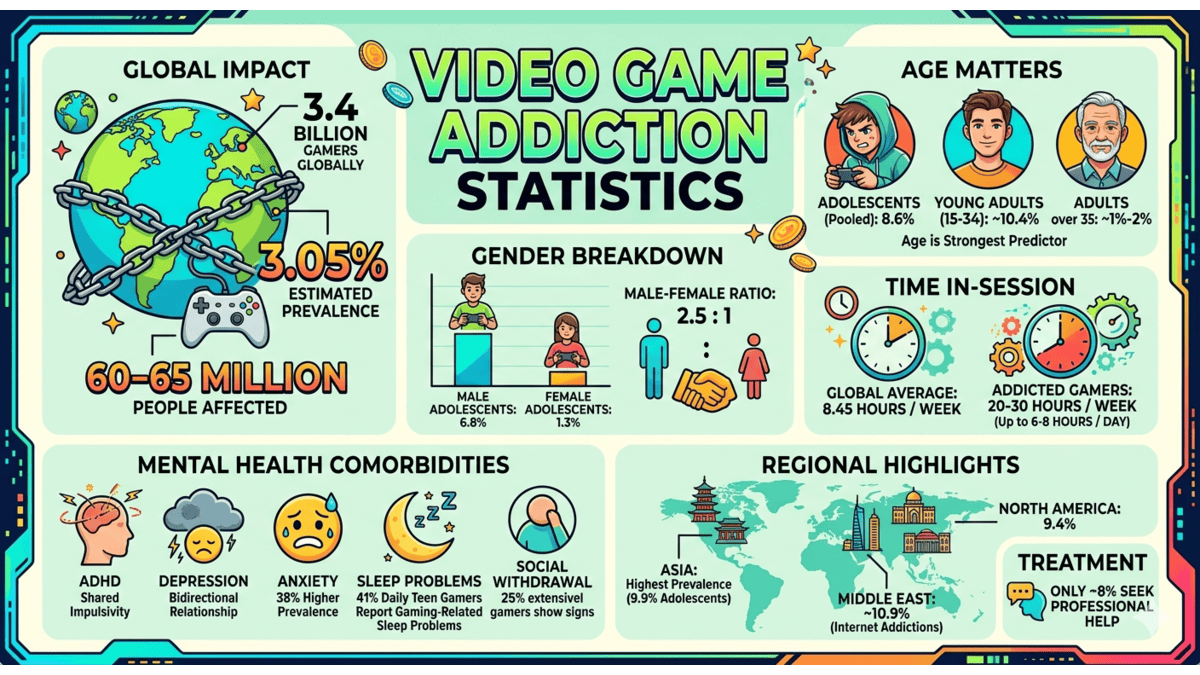

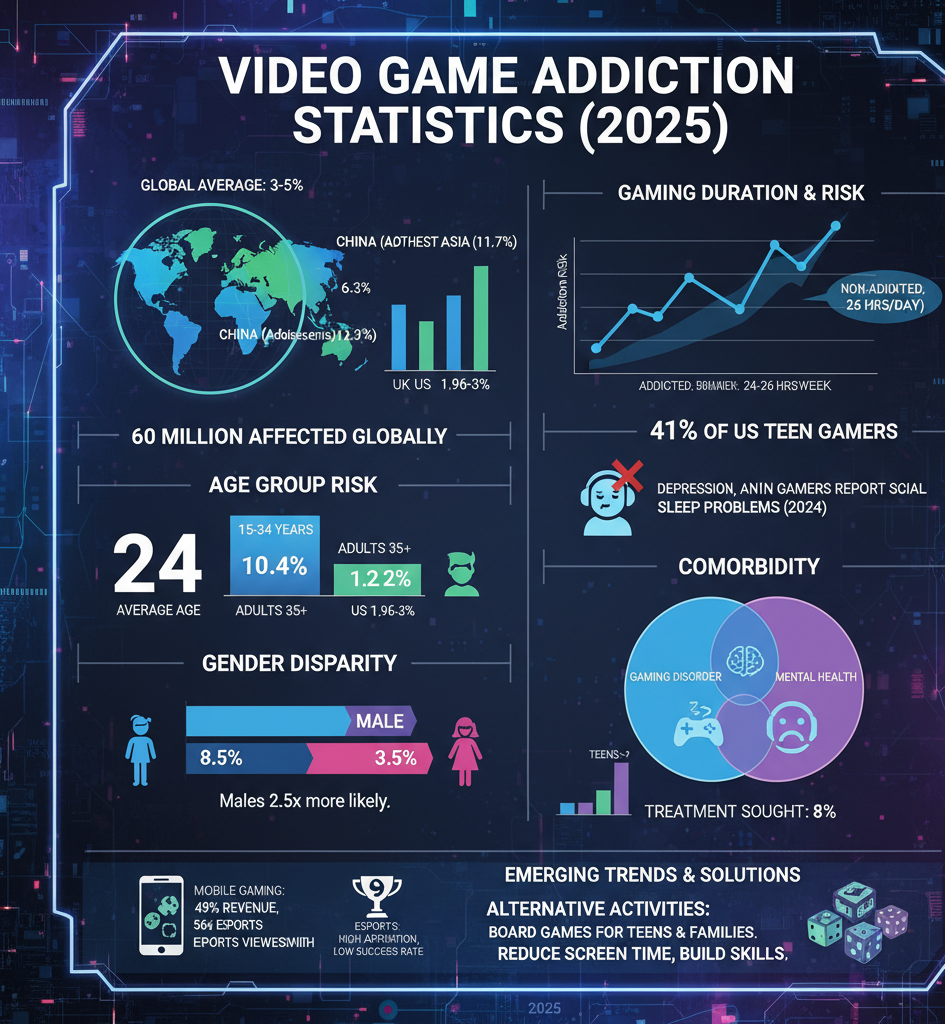
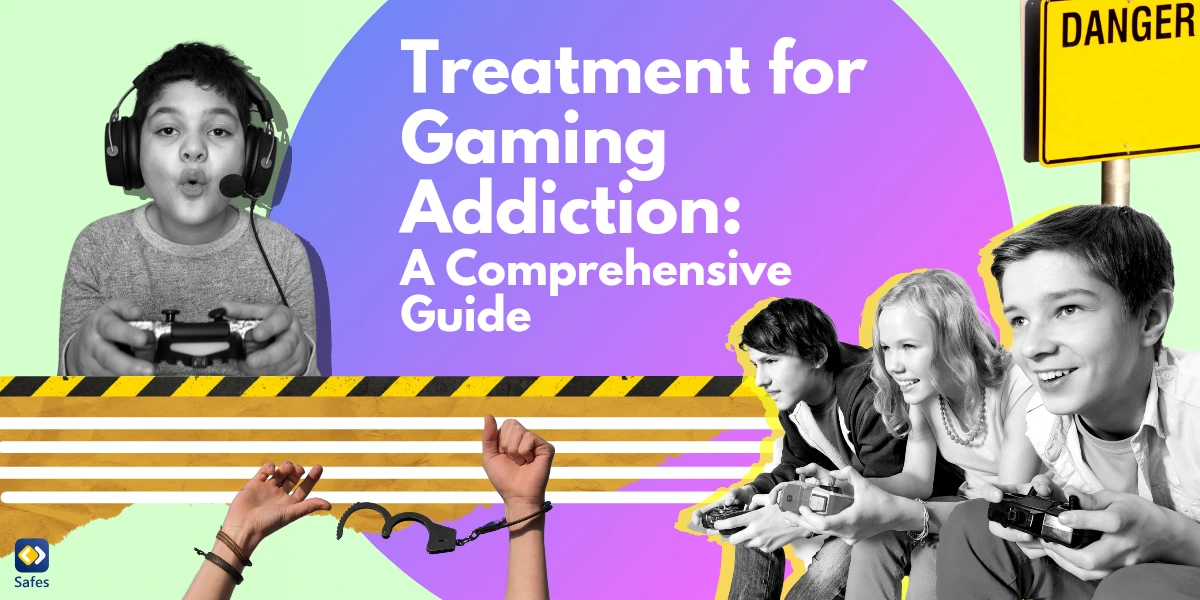
Video Game Addiction Signs Symptoms And How To Get Help Treatment For Gaming Addiction . Video Game Addiction Statistics 2026 Video Game Addiction Statistics 2026 . Gaming Addiction And Treatment Options 944624 . Gaming Statistics 2025 Mobile PC Console Trends Video Game Addiction Statistics 2025 . Treatment For Gaming Addiction A Guide Treatment For Gaming

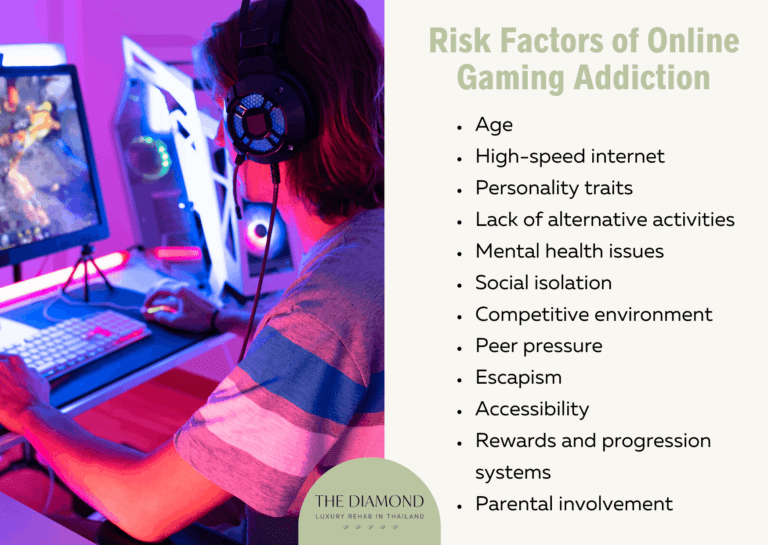
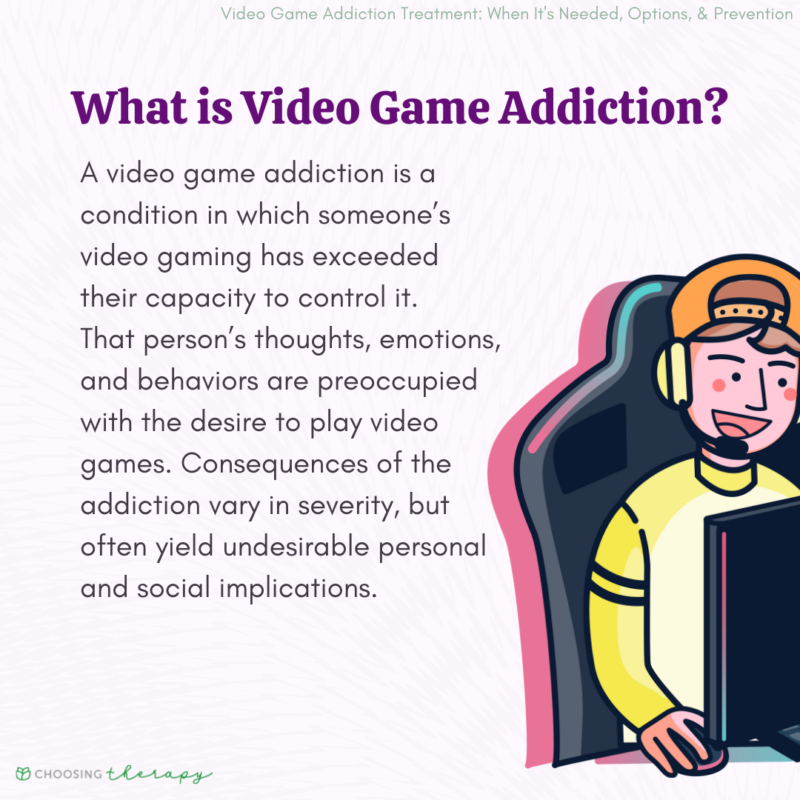
Global Gaming Addiction Statistics 2025 Global Gaming Addiction Statistics 2025 . Online Gaming Addiction Definition Symptoms Causes Effects And Treatment Options For Online Gaming Addiction 1024x691 . Online Gaming Addiction Signs Risk Factors And Treatment The Risk Factors Of Online Gaming Addiction 768x545 . How To Get Treatment For Videogame Addiction 3 10 800x800 . Video Game Addiction And How I Beat It Warren Wong 282x300

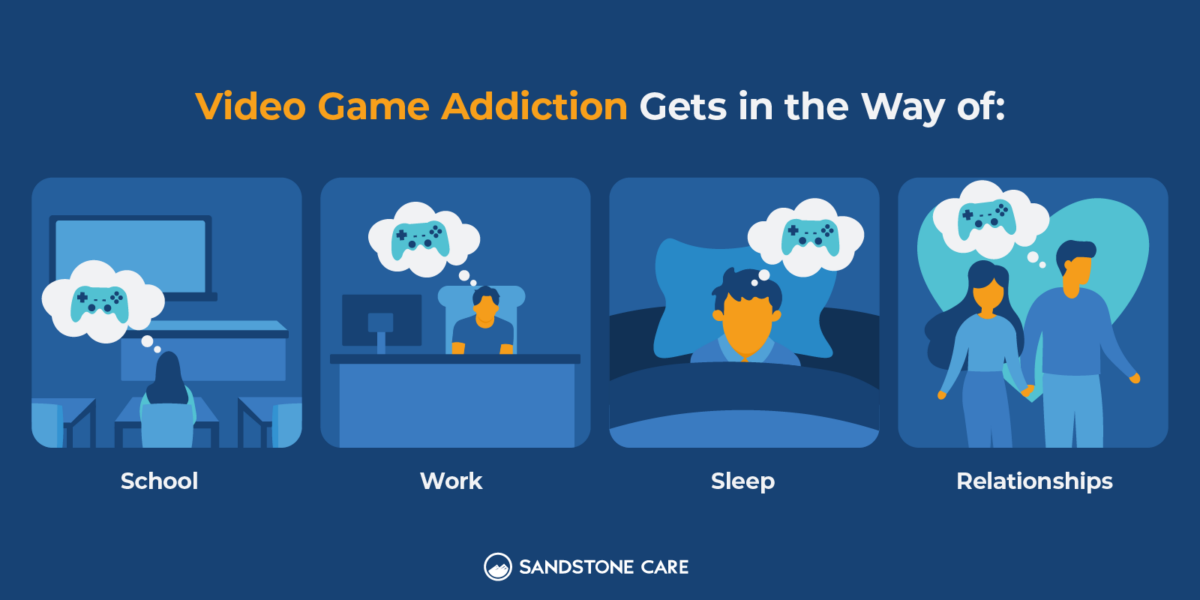

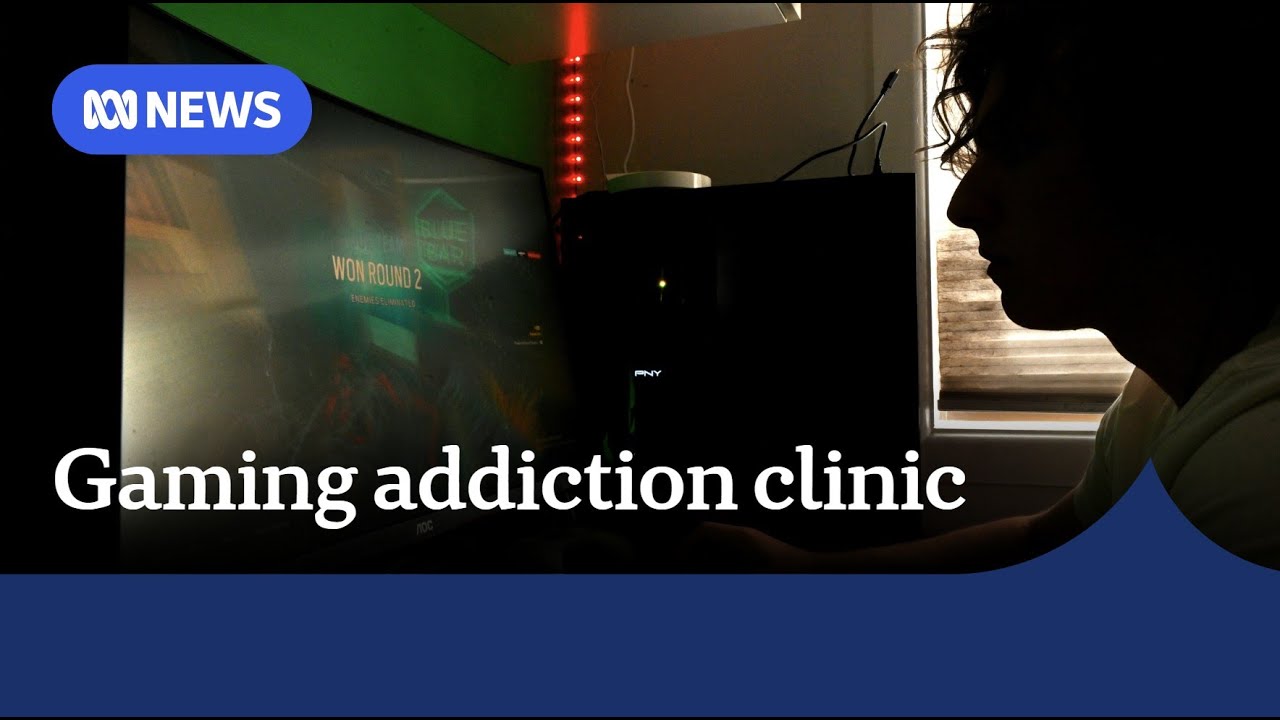

How To Get Treatment For Videogame Addiction 4 10 1024x1024 . Video Game Addiction 11 Signs Symptoms And Treatments Video Game Addiciton Graphics 03 Video Game Addiction Gets In The Way Of 1200x600 . Video Game Addiction 11 Signs Symptoms Treatments Video Game Addiciton Graphics 01 Addiction Happens When Gaming Negatively Impacts 1536x768 . Inside The Australian First Clinic Treating Gaming Addiction ABC NEWS . Video Game Addiction Symptoms Causes And Treatment What Is Video Game Addiction 1

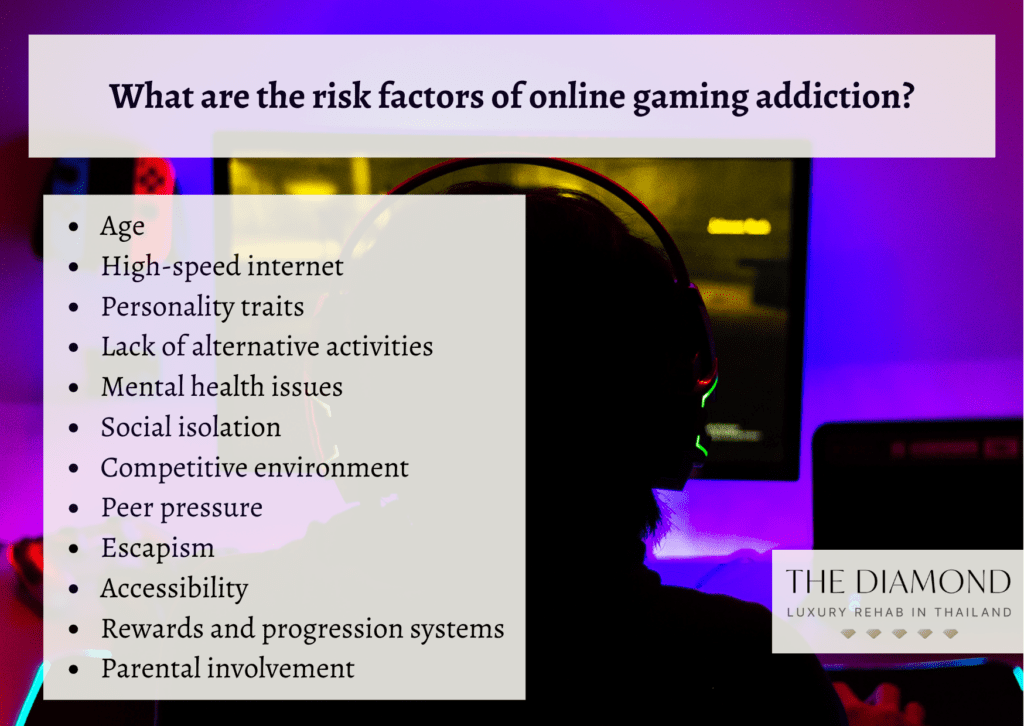
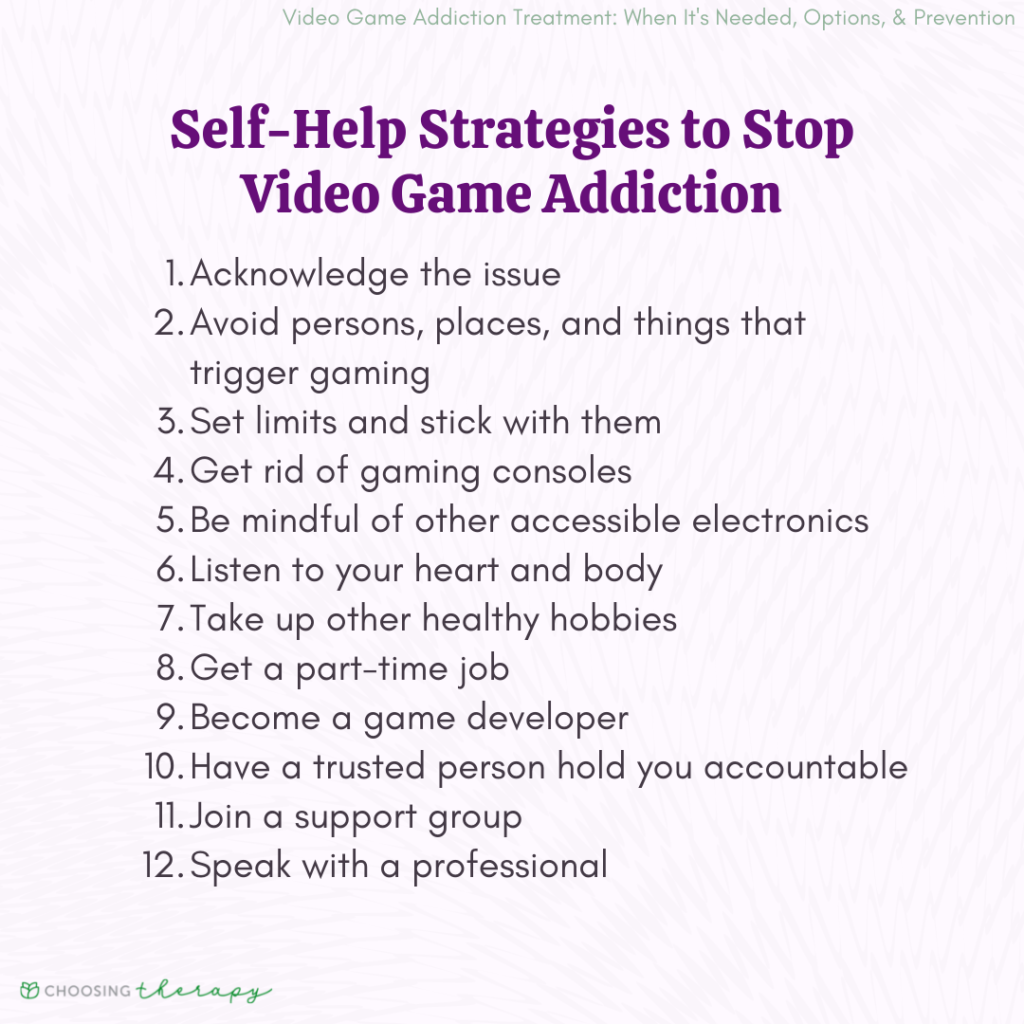

Video Game Addiction Symptoms Causes And Treatment Video Game Addiction Definition Symptoms Causes Effects And Treatment 1024x576 . Online Gaming Addiction Signs Risk Factors And Treatment The The Risk Factors Of Online Gaming Addiction 1024x726 . Video Game Addiction Treatment Centers At Christopher Prior Blog 5 10 1024x1024 . Gaming Addiction How To Identify Effectively Overcome It 30 SEP 2024 GAMING ADDICTION 2 2. Video Game Addiction Treatment At The Edge Treatment Center Video Game Addiction Treatment


Gaming Addiction What Is It And How Can You Get Help Gaming Addiction What Is It And How Can You Get Help . Video Game Addiction Signs And Treatment Talbh Video Game Addiction Signs And Treatment 80 . Gaming Addiction Signs Causes Supportive Steps Website Images Podcastblog 600x315 . A Guide To Overcoming Video Game Addiction Mojok Co Video Game Addiction. Video Game Addiction Statistics 2026 Latest Research The Small Video Game Addiction Statistics

Video Game Addiction Signs Health Risks How To Help VIDEO GAME ADDICTION . Video Game Addiction Statistics 2026 Icon Era Statistics Video Game Addiction Statistics 2025. Video Game Addiction Treatment Symptoms And Causes Help For Gaming Issues 1024x681 . Video Gaming Addiction Treatment Center In Austin Omega Recovery Video Gaming Addiction Treatment Center In Austin . Five Reasons Gaming Can Help With Addiction Recovery Unigamesity Gaming 768x505
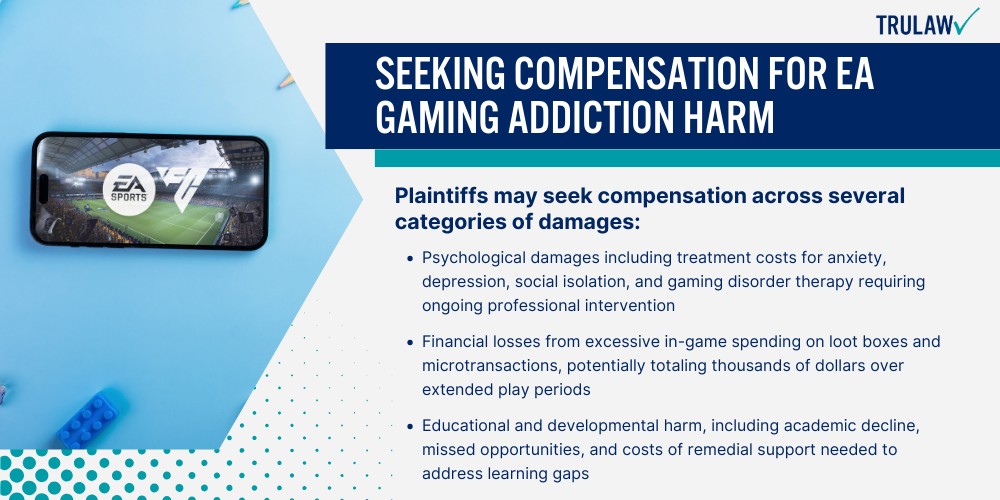

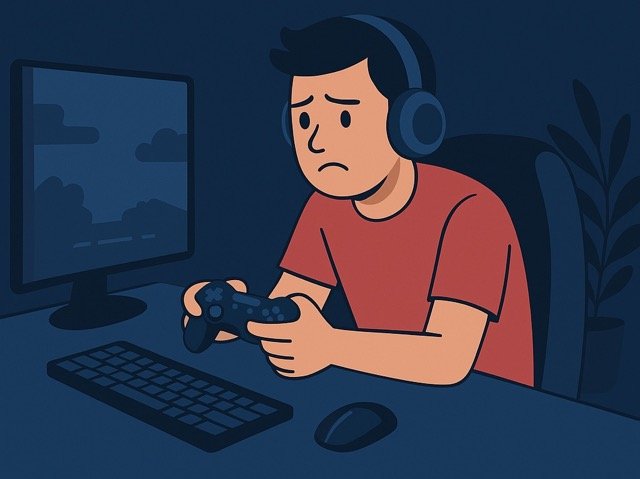
Video Game Addiction Signs Symptoms Treatment 4 800x800 . EA Games Lawsuit For Video Game Addiction 2026 Update Seeking For EA Gaming Addiction Harm . Gaming Addiction How To Stop Gaming And Start Living A Fulfilling Life SL1000 1 . 50 Helpful Video Game Addiction Statistics Facts In 2026 Video Game Addiction Statistics Facts And Trends 768x1152 . Gaming Addiction Signs Effects How To Break Free 2026 Gaming Addiction