The gaming metaverse is more than just a buzzword; it represents the next evolution of interactive entertainment, promising persistent virtual worlds where players can truly own assets, build communities, and engage in experiences far beyond traditional gaming. For the busy gamer balancing work, family, and life, understanding what the gaming metaverse entails can seem daunting amidst the constant influx of new tech and hype. This comprehensive guide cuts through the noise to provide clear, actionable insights into what the gaming metaverse actually is, how it works, and what it means for your gaming future. We will explore how these virtual realms offer opportunities for genuine social connection, skill development, and even new forms of digital ownership, all while focusing on practical advice without the unnecessary jargon. Discover how to navigate this exciting landscape, identify truly valuable experiences, and ensure your gaming time and budget are well spent in this emerging digital frontier. This article is your go-to resource for understanding and leveraging the gaming metaverse, ensuring you stay current and optimize your recreational time effectively. Get ready to explore the future of play, designed for real gamers with real lives.
What are the immediate benefits of joining a gaming metaverse for a busy adult gamer?
For a busy adult gamer, the gaming metaverse offers unique benefits like persistent social hubs to connect with friends at your own pace, opportunities for relaxation through creative expression (e.g., building virtual spaces), and potential for digital asset ownership that can hold real-world value over time. Instead of just consuming content, you can contribute and truly belong to a digital community that thrives even when you're offline. This month, many metaverse platforms are focusing on user-friendly interfaces and accessible experiences that cater to players with limited time.
How can I ensure my personal data and digital assets are secure in the gaming metaverse?
Security in the gaming metaverse hinges on robust personal practices. Always use strong, unique passwords and enable two-factor authentication (2FA) wherever possible, especially for your digital wallets and metaverse accounts. Be highly skeptical of unsolicited links or offers, as phishing scams are prevalent. Choose reputable metaverse platforms and wallet providers with a proven security track record, and never share your seed phrase. Regularly review privacy settings and understand what data a platform collects. Staying informed about current security threats is key.
Which gaming metaverse platforms offer the best value for time and money for casual players?
For casual players mindful of time and budget, look for platforms with robust free-to-play options and strong community focus. Titles like Roblox and Minecraft, while not traditional metaverses, embody many of its principles through user-generated content and expansive social worlds, offering immense value without a high entry cost. Emerging Web3 metaverses like Decentraland or The Sandbox, while having steeper learning curves and potential investment opportunities, also provide creative tools and social hubs that can be explored for free initially, allowing you to gauge commitment before spending. Always research the community and engagement metrics.
Are there gaming metaverse experiences that focus on relaxation or skill-building rather than competition?
Absolutely. Many emerging metaverse experiences are moving beyond competitive play to offer spaces for relaxation, creativity, and skill development. Platforms often feature "cozy game" elements within larger virtual worlds, allowing users to build, explore, or simply socialize in low-stress environments. Creative tools, virtual workshops, and even educational simulations are becoming common. This caters perfectly to gamers seeking stress relief or a chance to learn new digital skills, like 3D modeling or coding, within an engaging context, providing an alternative to high-intensity esports titles.
How do I balance engaging with the gaming metaverse with my real-world job and family commitments?
Balancing metaverse engagement with real-world responsibilities requires setting clear boundaries and managing expectations, just like any hobby. Allocate specific, limited time slots for metaverse activities, and communicate these boundaries to your family. Focus on experiences that offer quick, meaningful interactions, such as social meetups or checking on your digital land, rather than requiring long, uninterrupted sessions. Remember, the metaverse is persistent, so you don't need to be online constantly to maintain your presence. Prioritize what brings you joy and avoid feeling pressured to keep up with every trend or investment opportunity.
What's the difference between a gaming metaverse and a traditional MMORPG?
While both involve persistent online worlds and social interaction, a gaming metaverse emphasizes player ownership, interoperability, and broader utility beyond just gaming. In an MMORPG, assets are typically owned by the game developer, and your progress is confined to that specific game. A metaverse, often built on blockchain, allows players to truly own digital assets (NFTs), potentially transfer them between different experiences, and often participate in governance. It's less about a linear quest and more about a digital ecosystem where creation, commerce, and diverse social interactions are paramount.
Can I experience the gaming metaverse without significant upfront investment in crypto or NFTs?
Yes, you absolutely can! Many gaming metaverse platforms offer free-to-play entry points or guest modes that let you explore and socialize without needing to purchase cryptocurrencies or NFTs. While owning digital assets is a core feature for some, the underlying social and creative experiences are often accessible to everyone. Think of it like a new social media platform where you can join and interact without immediately buying premium features. You can dip your toes in, understand the dynamics, and then decide if you want to make any financial commitments. Focus on the community and interactive elements first.
Are you a seasoned gamer, juggling epic quests with real-life responsibilities like work, family, and that never-ending to-do list? You’re not alone. We know that finding time for your passion can be tough, and navigating the constant stream of new gaming tech and trends, like the "gaming metaverse," can feel overwhelming. It seems like every other week there's a new buzzword, a new game, or a new platform demanding your attention. You just want to relax, have fun, connect with friends, maybe even improve your skills, without getting bogged down in hype or making a bad investment. You're looking for real value, genuine experiences, and ways to make your limited gaming time count.
That's where understanding what is the gaming metaverse truly about comes in. Forget the sci-fi movie fantasies for a moment. At its core, the gaming metaverse is evolving into a more interconnected, player-driven space that promises more than just entertainment. It's about ownership, community, and new ways to engage. But how does it work? Is it just another fad or something worth your precious time and budget? This comprehensive guide will break down the gaming metaverse, cut through the jargon, and give you the straightforward answers you need. We'll explore how busy gamers like you can leverage its potential for relaxation, social play, and even smart digital investments, all while addressing common concerns like performance issues, game recommendations for limited play sessions, and how to stay current without buying into every piece of hype. By the end, you'll have a clear understanding of what the gaming metaverse means for your gaming life in 2026, equipping you to make informed decisions and truly enjoy the next generation of interactive experiences.
What Exactly is the Gaming Metaverse?
At its heart, the gaming metaverse is a persistent, interconnected, and often decentralized virtual world where players can interact, socialize, create, and own digital assets. Unlike a single game that you load and play, a metaverse aims to be an expansive digital universe that continues to exist and evolve even when you log off. Think of it as an ecosystem of digital experiences, rather than just one standalone game. These worlds are designed for long-term engagement, fostering communities and allowing players to shape their environments.
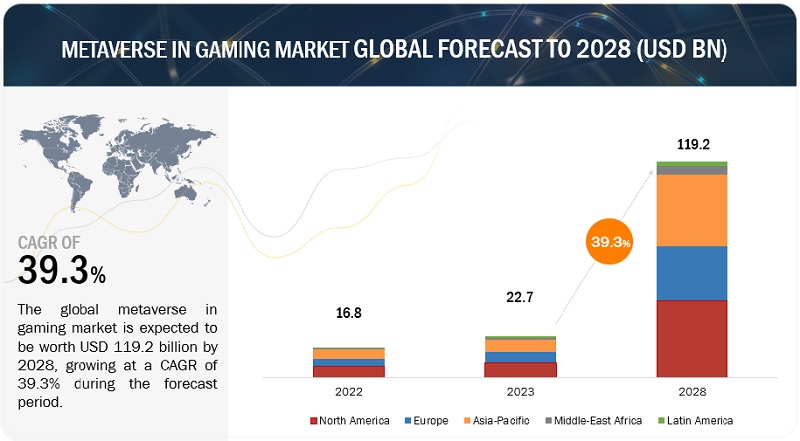
The concept goes beyond just virtual reality, incorporating elements of augmented reality, blockchain technology, and advanced AI. It's about blending various digital experiences into a cohesive whole, giving players unprecedented levels of immersion and agency. Recent data from the US shows that 87% of gamers regularly engage with online communities, spending an average of 10+ hours a week playing. The gaming metaverse taps directly into this desire for persistent social connection and meaningful digital interaction, providing platforms where these engagements can thrive and evolve with player input.
How Does the Gaming Metaverse Differ from Traditional Online Games?
The primary distinction lies in **ownership, interoperability, and persistence**. In traditional online games like MMORPGs, the game developer owns all in-game assets; your items and characters are essentially licensed to you. In contrast, the gaming metaverse, often built on blockchain technology, allows for true digital ownership through NFTs (Non-Fungible Tokens). This means you genuinely own your virtual land, unique skins, or character assets.
Furthermore, while traditional games are typically walled gardens, the ideal metaverse strives for **interoperability**, meaning your assets could potentially be used across different virtual worlds or experiences. Lastly, the metaverse is designed to be more persistent and always-on, with community-driven content and economies that evolve regardless of individual player logins, offering a richer, more dynamic digital ecosystem that goes beyond linear gameplay.
What Role Does Blockchain Play in the Gaming Metaverse?
Blockchain technology is a foundational pillar of many gaming metaverses, enabling key features like **digital ownership, transparency, and decentralization**. It provides the secure, immutable ledger that verifies who truly owns a digital asset (like an NFT for virtual land or a unique item). This solves the problem of digital scarcity and counterfeit items, ensuring authenticity.
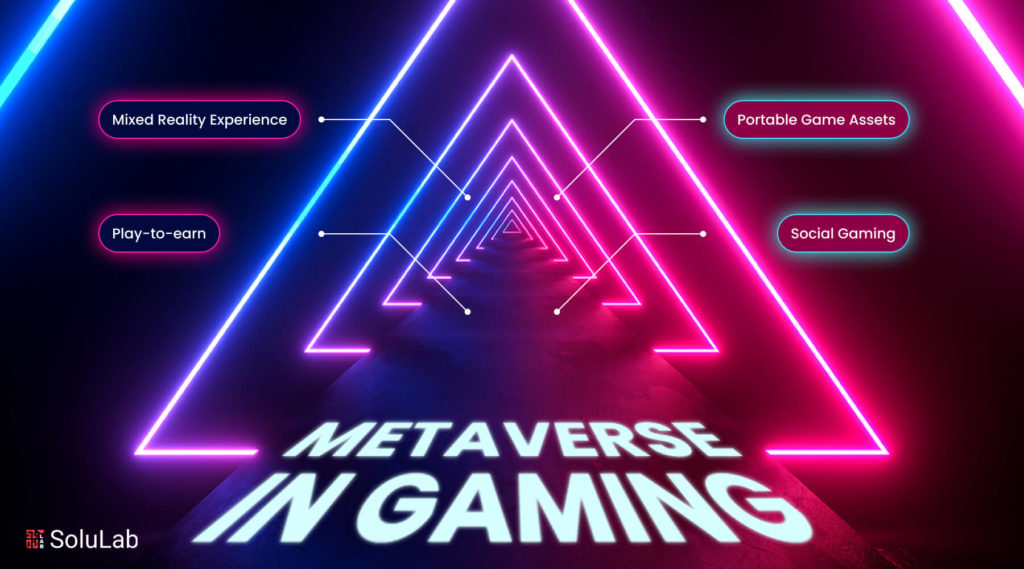
Beyond ownership, blockchain facilitates **play-to-earn economies** by allowing players to earn cryptocurrencies or NFTs with real-world value through gameplay. It also underpins **decentralized autonomous organizations (DAOs)**, giving players a voice in the governance and future development of certain metaverse platforms. For gamers, this means a more trustworthy and player-empowered ecosystem where their contributions and investments are protected and verifiable.
Can I Really Own Assets and Earn Money in the Gaming Metaverse?
Yes, genuine digital ownership and earning potential are core tenets of many gaming metaverses, though with important caveats. Through NFTs, you can truly own virtual land, unique avatars, skins, and other in-game items, verifying your ownership on a blockchain. These assets can often be bought, sold, or traded on secondary marketplaces, potentially appreciating in value.
**Play-to-earn (P2E) models** allow you to earn cryptocurrency or NFTs by engaging in gameplay, completing quests, or contributing to the metaverse economy. However, earning potential varies wildly, requires significant time investment, and comes with financial risks. It's crucial to approach P2E with a clear understanding of market volatility and to distinguish between sustainable models and speculative ventures. Treat it as a bonus, not a guaranteed income stream, especially for busy gamers.
What Are the Best Gaming Metaverse Platforms or Games to Explore Right Now?
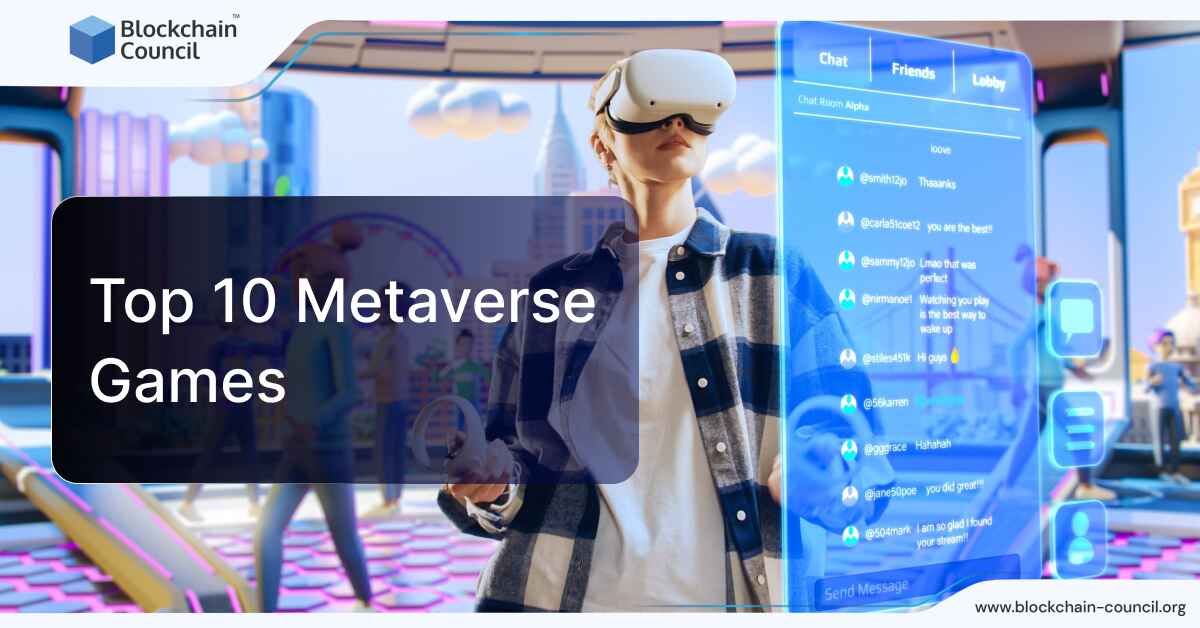
For gamers looking to dip their toes into the gaming metaverse without excessive risk, there are several noteworthy platforms. **Roblox** and **Minecraft** are excellent entry points, embodying many metaverse principles through extensive user-generated content, vast social worlds, and robust creator economies, all accessible on various devices including mobile. They offer immense creative freedom and social engagement without the blockchain complexity.
For those interested in the blockchain-backed metaverses, **Decentraland** and **The Sandbox** are prominent examples where you can own virtual land (NFTs), build experiences, and participate in a player-driven economy. They offer creative tools and social hubs, though they can have a steeper learning curve and potential financial investment. Many platforms are increasingly focusing on mobile-friendly experiences, catering to the 60% of US gamers who play predominantly on their phones, making entry easier for diverse audiences.
How Can I Get Started in the Gaming Metaverse Without Breaking the Bank?
Getting into the gaming metaverse doesn't have to mean a huge upfront investment. Many platforms offer **free-to-play (F2P) options or guest modes** where you can explore, socialize, and even start creating without spending a dime. Begin by exploring established F2P games with metaverse-like qualities such as Roblox or VRChat, which offer immense social and creative opportunities.
For blockchain metaverses, focus on platforms that provide **free avatars or introductory experiences** to get a feel for the ecosystem. Avoid rushing into buying NFTs or virtual land until you've thoroughly researched the community, understood the mechanics, and are comfortable with the risks. Look for community events or challenges that reward participation with free digital assets. Your goal is to gain experience and knowledge before making any financial commitments, ensuring value for your time and money.
What Are the Social Benefits and Community Aspects of the Gaming Metaverse?
The gaming metaverse excels at fostering **deep social connections and vibrant communities**, which is a significant draw for many gamers. Unlike the often transactional interactions in traditional multiplayer games, metaverses provide persistent spaces for casual hangouts, collaborative projects, and shared experiences. You can join virtual concerts, art galleries, educational events, or simply meet up with friends in a digital café.
These platforms often support **cross-play and cross-platform access**, allowing friends on different devices (PC, console, mobile) to connect seamlessly. This month, social gaming trends continue to dominate, with 87% of US gamers regularly engaging in online multiplayer or community activities. The metaverse amplifies this by offering more meaningful, self-directed social interactions, allowing busy adults to relax and connect with like-minded individuals, building lasting friendships or professional networks in dynamic digital environments.
What Are the Potential Challenges or Downsides for Gamers?
While exciting, the gaming metaverse also presents several challenges. **Complexity and a steep learning curve** can deter new users, especially regarding blockchain technology, cryptocurrency wallets, and NFT management. **Security risks** like scams, phishing, and hacks are prevalent in this new frontier, requiring vigilance to protect digital assets. For gamers on a budget, the **high cost of entry** for certain NFTs or virtual land can be a barrier.
**Performance issues** and demanding hardware requirements can also be a problem, especially for immersive VR experiences. Furthermore, **market volatility** in cryptocurrencies and NFTs means potential financial losses. Lastly, the sheer volume of hype and sometimes **over-promising projects** makes it difficult to discern truly valuable experiences from unsustainable fads. It's crucial for gamers to be discerning, prioritize security, and manage expectations to avoid disappointment.
How Will the Gaming Metaverse Evolve in the Next Few Years?
The gaming metaverse is on a rapid evolutionary path. Over the next few years, expect significant improvements in **interoperability**, allowing digital assets to move more freely between different platforms and games. **User-generated content tools** will become even more sophisticated and accessible, empowering more players to create and monetize their own experiences without needing extensive coding knowledge.
**AI integration** will deepen, leading to more dynamic NPCs, personalized experiences, and intelligent world generation. Furthermore, **hardware accessibility** will expand, with more optimized mobile and cloud-gaming solutions, making high-fidelity metaverse experiences available on less powerful devices. The focus will likely shift from pure speculation to **utility and genuine social engagement**, providing richer, more seamless, and truly valuable experiences for everyday gamers who want to unwind and connect.
Is My Current Gaming Hardware Ready for the Metaverse?
Whether your current gaming hardware is metaverse-ready depends heavily on the specific metaverse platform you wish to explore. For many social hubs and creative platforms like Roblox or even initial explorations of Decentraland, a **mid-range PC or modern mobile device** is often sufficient. Many metaverse experiences are designed to be accessible to a broad audience, given mobile gaming's dominance.
However, if you're aiming for the most immersive, high-fidelity experiences, especially those incorporating **VR/AR**, then a **high-end gaming PC** with a powerful GPU and a dedicated VR headset (like a Meta Quest 3 or upcoming Apple Vision Pro) will likely be necessary for optimal performance. Hardware upgrades on a budget can target GPU improvements first. Always check the minimum and recommended specifications for the specific metaverse platform you're interested in, as they can vary widely. Don't feel pressured to upgrade unless a specific experience you truly want requires it.
What is interoperability in the gaming metaverse?
Interoperability means your digital assets (like skins or items) can be used across different games or platforms within the metaverse, rather than being locked to a single title. It's a key long-term goal for the metaverse, though still in early development.
Are all metaverse games play-to-earn?
No, while many early metaverse titles embraced play-to-earn (P2E) models, the metaverse encompasses a broader range of experiences. Many focus on social interaction, creativity, or traditional gaming fun without direct earning mechanisms, although digital ownership is often present.
Do I need a powerful PC or VR headset for the gaming metaverse?
Not necessarily for all experiences. While some high-fidelity metaverses benefit from powerful hardware or VR, many are accessible via standard PCs, consoles, or even mobile devices. Mobile gaming dominance in the US means many platforms are optimizing for broader accessibility.
What are NFTs in the gaming metaverse?
NFTs (Non-Fungible Tokens) are unique digital assets, verified on a blockchain, that represent ownership of items like virtual land, characters, or unique in-game cosmetics within the metaverse. They enable true digital ownership for players.
How can I protect my digital assets in the metaverse?
Protecting assets involves using secure digital wallets, enabling two-factor authentication, being wary of phishing scams, and choosing reputable platforms. Always research and understand the security practices of any metaverse you engage with.
Is the gaming metaverse suitable for casual gamers?
Absolutely. While some aspects can be complex, many metaverse experiences are designed for casual engagement, focusing on social hubs, mini-games, or creative expression. The key is finding platforms that align with your available time and interests.
The gaming metaverse, though still evolving, represents a transformative shift in how we play, connect, and own digital experiences. For busy gamers balancing life's demands, it offers not just new worlds to explore but also deeper avenues for social interaction, skill development, and smart digital ownership. By understanding the core concepts – from blockchain to digital assets – you can confidently navigate this exciting landscape, finding platforms that offer genuine value without falling for fleeting trends. Remember, your gaming time is valuable, and the metaverse is shaping up to offer more meaningful ways to spend it, fostering creativity and connection. It’s not just about what you can play, but what you can build, own, and share.
The future of gaming is looking more open, more player-driven, and more connected than ever before. It's about finding experiences that fit your lifestyle, whether that's quick social sessions or deeper dives into virtual economies. Staying informed, making smart choices about your time and budget, and focusing on what truly brings you joy will ensure you get the most out of this new digital frontier. What’s your biggest gaming challenge when it comes to exploring new trends like the metaverse? Comment below!
The gaming metaverse is a persistent, interconnected virtual world built on blockchain technology, allowing players digital ownership of assets like characters, skins, and virtual land. It blends gaming with social interaction, content creation, and real-world economies, offering new ways to play, earn, and connect. Key features include user-generated content, decentralized ownership, interoperability between games, and immersive experiences often supported by VR/AR. It presents both exciting opportunities for engagement and challenges related to complexity and investment.
33
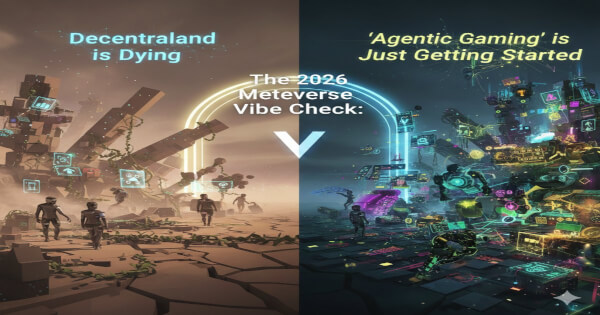
Metaverse Gaming In 2026 How It Works Future Trends Metaverse Gaming Future In 2026.webp. Games GameFi Times Top Metaverse Games.webp. Metaverse Gaming Platform Development Company In Tamil Nadu Biovus Best Metaverse Gaming Platform Development Company In Tamil Nadu . Metaverse And VR Gaming Redefining The Future Of Interactive Metaverse And VR Gaming.webp. The 2026 Metaverse Vibe Check Why Is Dying But Agentic



Metaverse Reality 2026 Gaming Se Aage Ki Duniya Virtual Reality . Top Metaverse Development Companies Global Innovators 2026 2026s Leading Metaverse Development. Impact Of The Metaverse On Gaming Coruzant Metaverse Gaming The Next Generation Experience Original . Metaverse Technology Artofit . Lead The Future Of Gaming With Innovative Metaverse Game Development Image


Top Metaverse Blockchain Games In 2026 Top 6 Metaverse Blockchain Games.webp. How AI And Metaverse Will Shape Next Gen Game Worlds In 2026 How Ai Metaverse Will Shape Next Gen Game Worlds In 2026.webp. The Metaverse And The Future Of Gaming By Gamingmg Medium . What Is The Gaming Metaverse Heroes Made In Asia OEMEAeo . Gaming In The Metaverse The Next Level Of Immersion Gaming In The Metaverse The Next Level Of Immersion Scaled.webp

How Metaverse Powers The Future Of Gaming How Does Metaverse Powers The Future Of Gaming . Metaverse Gaming Experience NextGen Gaming In 2024 Metaverse Gaming Experience 1024x569 . 10 Best Metaverse Games You Can Play Earn In 2026 Top Metaverse Games.webp. Meta S Metaverse Is Safe For Now What It Means The Daily Coins Metas Metaverse Is Safe For Now What It Means 102 7q2 R3r . Metaverse Gaming The Future Of Gaming Queppelin Metaverse Gaming 1536x723
How Will Metaverse NFT Change Gaming In 2026 Best Guide Metaverse NFT Gaming . Gaming In Metaverse HubPages Gaming In Metaverse . What Is Gaming Metaverse Explained Clearly Metaverse In Gaming Market . Roblox Metaverse Blockchain Council Top 10 Metaverse Games 1 . The Metaverse What Is It The Metaverse What Is It 2 Sej



Top Metaverse Games In 2024 Breedcoins Top Metaverse Games . Top 10 Most Anticipated Games Of 2026 What To Watch Out For TVN GAMES IN 2026 . Metaverse Game Platform Development Cost In 2026 Idea Usher AD X0PCl Lr CtoyWZa6 CpU. Top 4 Essential Steps To Create An Immersive Metaverse Gaming Platform HLHWsEZg . How Can Metaverse Change The Gaming Industry In 2024 By Q99 Studio 9Ng

Best Metaverse Games 2025 For NFT Rewards Crypto Posts 1769237319 8553.webp. Navigating The Future Metaverse Game Development By Amelia Turner . Top 10 Metaverse Projects 2026 FairReview 1000059365 1024x683