NVMe solid state drives offer unparalleled speed for gamers seeking faster load times and smoother experiences This guide explores how NVMe technology revolutionizes game storage Its impact on loading times and overall gaming responsiveness will be discussed addressing common pain points like setup issues and performance problems for gamers balancing life and hobbies Discover if an NVMe upgrade is worth your investment providing informational and navigational content to help you make informed decisions about your gaming setup Stay ahead with trending insights into storage solutions and optimize your play without the hype This article provides practical solutions for gamers to enhance their experience without breaking the bank ensuring smart spending on hardware upgrades and offering game recommendations for limited time
What is the real-world difference between a Gen3 and Gen4 NVMe for gaming?
In real-world gaming scenarios, the difference between a Gen3 and Gen4 NVMe SSD for loading times is often minimal, typically a second or two for large games. Gen4 offers significantly higher theoretical maximum speeds up to 7000 MB/s compared to Gen3s 3500 MB/s. However, most games are not yet optimized to fully utilize Gen4's extreme bandwidth. For systems supporting it, Gen4 provides better future-proofing and advantages in demanding professional tasks, but for pure gaming today, Gen3 still offers excellent value and performance.
How much NVMe storage do I actually need for my game library?
For most gamers, a 1TB NVMe SSD is a good starting point to house your operating system and several of your most frequently played large games. However, considering modern game sizes often exceeding 100GB, a 2TB NVMe drive offers a much more comfortable space for a robust game library without constantly uninstalling and reinstalling titles. This is especially true for players who enjoy a variety of AAA releases or participate in PC Game Pass. Always account for future growth.
Does NVMe make a difference for online multiplayer games?
Yes, NVMe can make a noticeable difference in online multiplayer games, primarily by reducing map loading times. This means you will get into matches quicker than players with slower drives. While your internet connection and server latency are more critical for in-game performance (ping), faster asset loading ensures you are ready to play as soon as the match starts, preventing delays or being left behind at the spawn point.
Can I use an external NVMe SSD for gaming on PC or console?
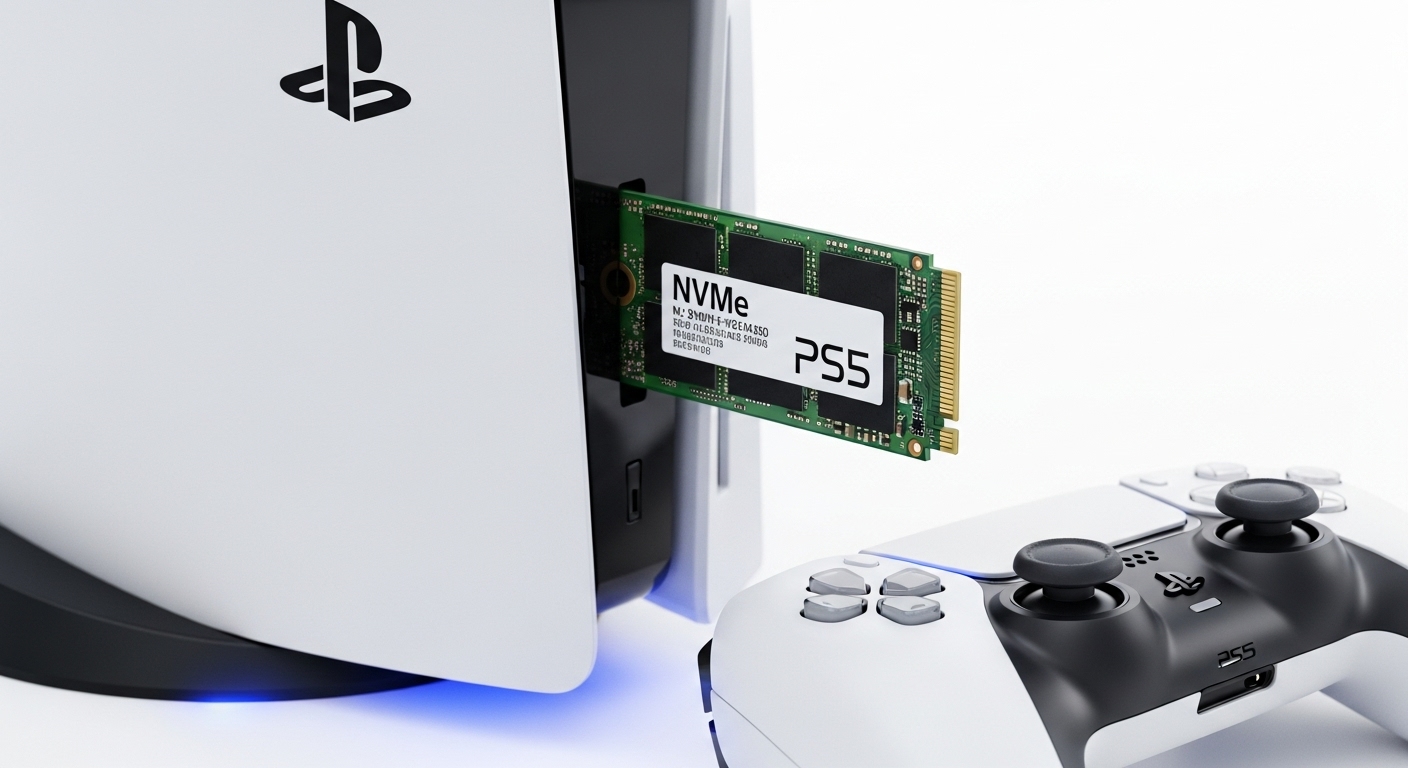
Yes, you can use an external NVMe SSD for gaming on both PC and compatible consoles, but with limitations. On PC, an external NVMe (via USB 3.2 Gen2 or Thunderbolt) offers excellent speeds for game storage, though typically slightly slower than internal NVMe due to the interface overhead. On consoles like the Xbox Series X/S, only proprietary expansion cards offer full NVMe speeds for current-gen games; standard external NVMe drives can play last-gen titles. PS5 allows external NVMe for storage only, not for playing PS5 titles directly.
What common NVMe installation issues should I watch out for?
Common NVMe installation issues include ensuring your motherboard has a compatible M.2 slot and that it supports NVMe (not just SATA M.2). Another frequent problem is the drive not showing up in Windows, which usually requires initializing and formatting it in Disk Management. Sometimes, installing an NVMe can disable certain SATA ports due to shared bandwidth, so check your motherboard manual if you have other drives mysteriously disappear. Proper driver installation for the NVMe controller is also crucial.
Beyond gaming, what other benefits does NVMe offer for a daily PC user?
Beyond gaming, NVMe offers significant benefits for any daily PC user. Your operating system will boot up dramatically faster. Applications will launch almost instantly, and large files (like videos or high-resolution photos) will open and save much quicker. Multitasking feels smoother, as background processes and virtual memory swaps happen at light speed. For content creators, developers, or anyone handling large datasets, NVMe transforms their workflow, making the entire computing experience more responsive and efficient.
Should I reinstall my operating system on the NVMe drive for best gaming performance?
Absolutely, for the best overall gaming performance and system responsiveness, you should reinstall your operating system (OS) on the NVMe drive. Having the OS on a fast NVMe means quicker boot times and snappier application launches. While games loaded onto the NVMe will perform well regardless, running the OS from the same high-speed drive ensures that all system operations and background processes also benefit, reducing potential bottlenecks and contributing to a consistently smoother gaming and computing experience.
Hey fellow gamers. Ever sit there staring at a loading screen wondering if your rig is secretly powered by a hamster on a wheel? You are not alone. In today's fast paced gaming world where every second counts, especially for those of us balancing work, family, and a precious 10 hours a week for digital adventures, slow load times can be a real buzzkill. We spend an average of 10 plus hours weekly gaming with 87 percent of US gamers regularly diving into virtual worlds for relaxation, social play, and skill building. You want to jump straight into the action of your favorite online multiplayer or that single player epic after a long day. That frustrating wait for maps to load or assets to stream in can chip away at your limited gaming window.
Many gamers, particularly the average age of 36 balancing life with their passion, are constantly looking for ways to optimize performance without falling for hype or overspending. We want real value. So, does NVMe improve gaming? That is the big question. NVMe SSDs have been talked about a lot but what do they truly offer for your actual gaming experience? Can they make your games load faster or even run smoother? This guide is designed to cut through the tech jargon and give you the straightforward answers you need. We will explore what NVMe is, how it stacks up against other storage, and whether it is a worthwhile upgrade for your gaming PC in 2026 without breaking your budget or demanding hours of complicated setup. Let us dive in and find out if an NVMe drive is the missing piece to your smoother, faster, and more enjoyable gaming sessions.
What Exactly Is NVMe and How Does It Differ From Traditional SSDs
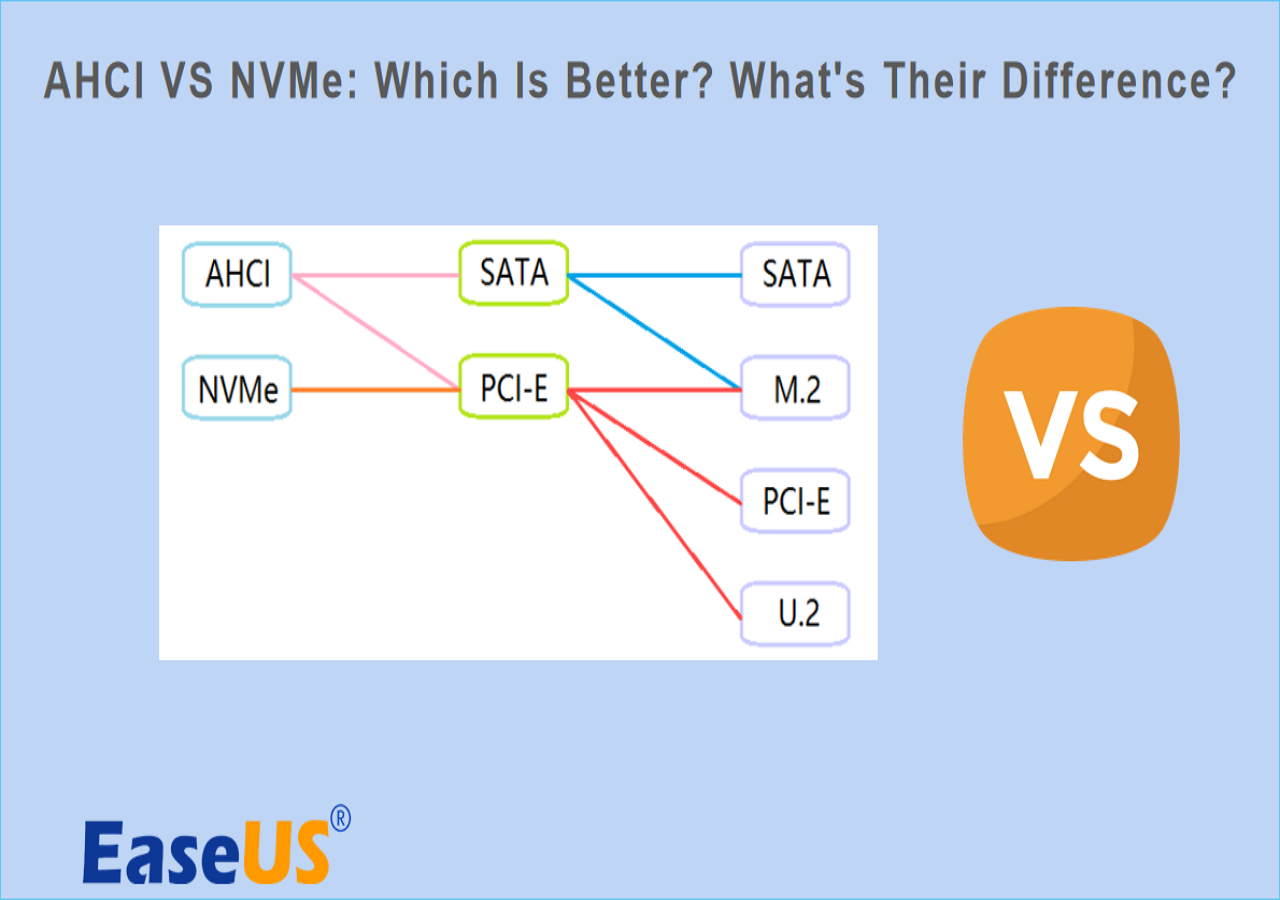
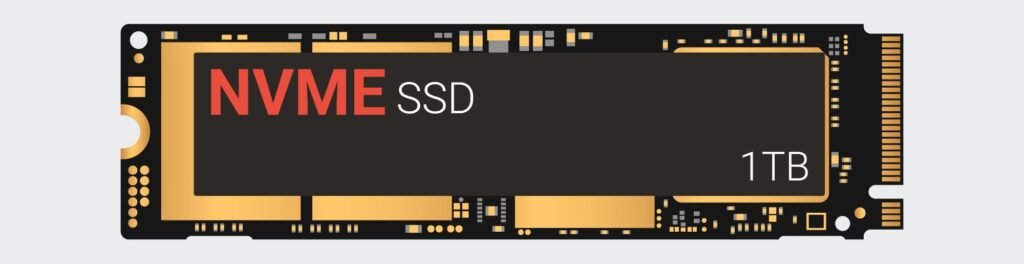
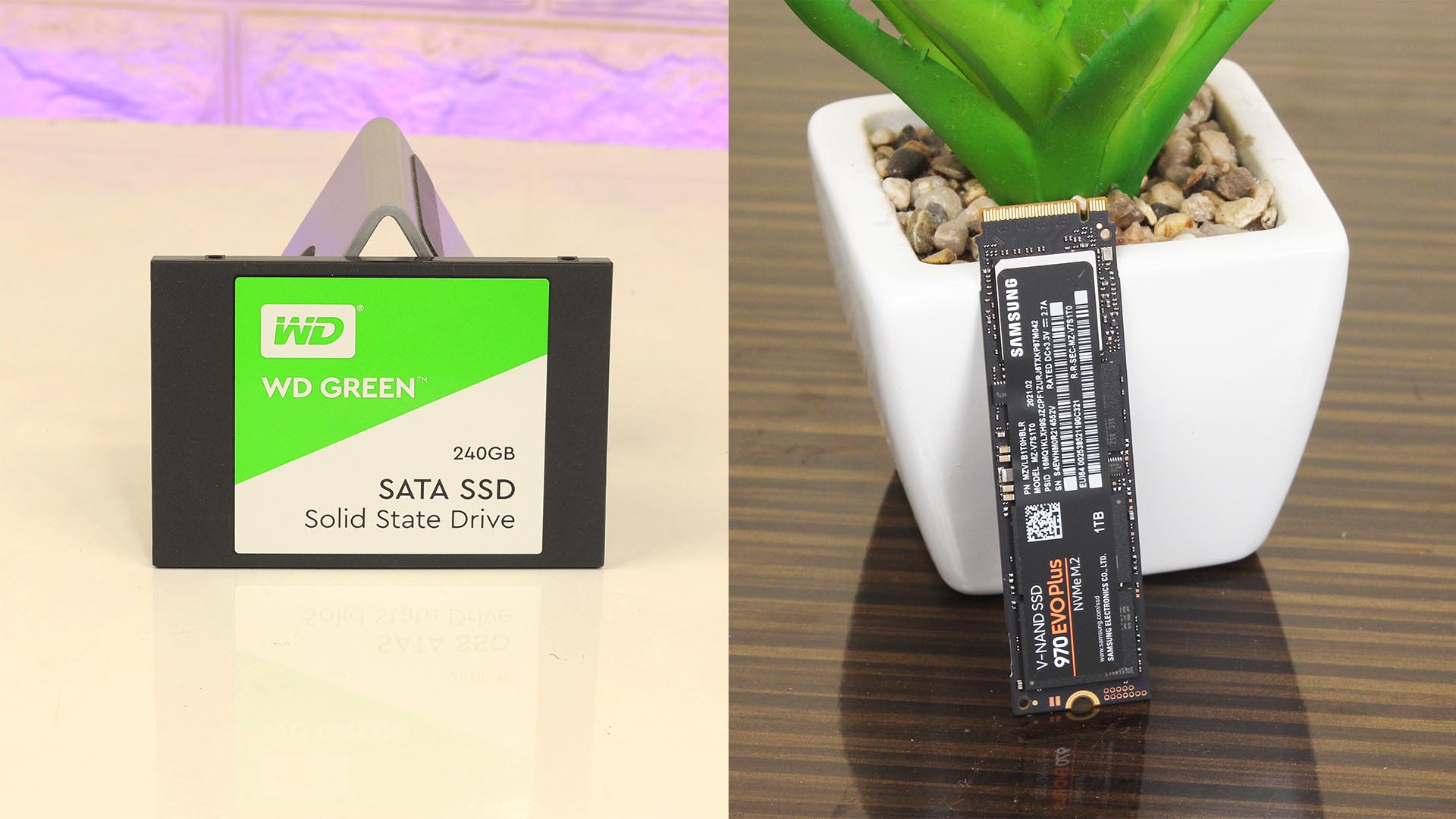
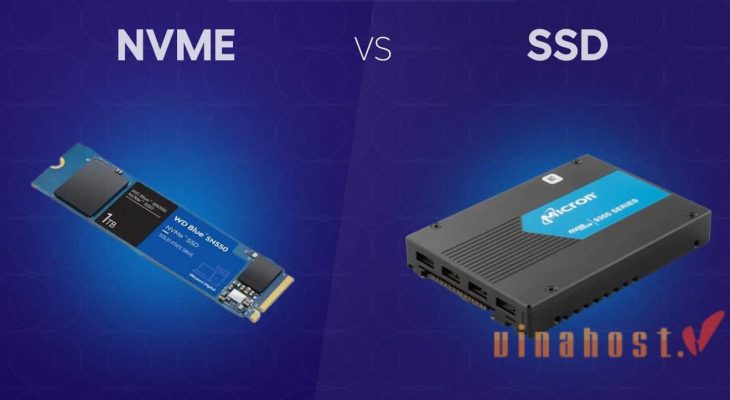
NVMe stands for Non Volatile Memory Express. It is a communication protocol specifically designed for SSDs that connects directly to your computers motherboard via a PCI Express PCIe slot. Think of it as a superhighway for data allowing your storage drive to communicate with your CPU at incredibly high speeds. Traditional SATA SSDs still use the older SATA interface which was originally designed for slower hard disk drives HDDs and has limitations in bandwidth. NVMe essentially removes these bottlenecks allowing for much faster read and write speeds up to seven times faster than SATA SSDs for Gen4 drives. This direct connection and optimized protocol are key to its superior performance.
Does NVMe Truly Improve Game Loading Times
Yes NVMe significantly improves game loading times. This is one of the most noticeable benefits for gamers. When you launch a game or load a new map or zone, your PC needs to pull massive amounts of data from your storage drive. An NVMe SSD with its much higher read speeds can access this data far quicker than a SATA SSD or especially an HDD. You will notice quicker boot ups for your operating system and significantly reduced waits when loading into games like Starfield Cyberpunk 2077 or even the latest Warzone update. For the average gamer who values every minute of their playtime, these faster loads mean more gaming and less waiting.
Will An NVMe SSD Boost My In Game Performance Or FPS
While NVMe dramatically improves loading times and overall system responsiveness, it generally does not directly boost your in game frame rates or FPS. FPS is primarily determined by your CPU, GPU, and RAM. However, an NVMe drive can contribute to a smoother gaming experience by reducing stuttering in games that constantly stream assets from storage. This is especially true in open world games or titles optimized for technologies like Microsofts DirectStorage which leverages NVMe to load game assets directly to the GPU bypassing the CPU. So while your raw FPS number might not change, the consistency and fluidity of your gameplay can feel much better.
Is Upgrading To An NVMe SSD Worth It For The Average Gamer On A Budget
For the average gamer balancing performance with a budget, an NVMe upgrade is often worth it but with a caveat. If you are still running games off an old mechanical HDD, upgrading to any SSD, especially an NVMe, will be a night and day difference in speed and responsiveness. If you already have a SATA SSD, the leap to NVMe for gaming alone might not always justify the cost for every game, as many titles are not fully optimized for NVMe speeds yet. However, for newer titles and future proofing your rig, NVMe offers excellent value. Consider a mid-range Gen3 NVMe for a great balance of performance and price providing substantial improvements where it counts most.
How Do NVMe Speeds Compare To SATA SSDs And HDDs In Real World Gaming
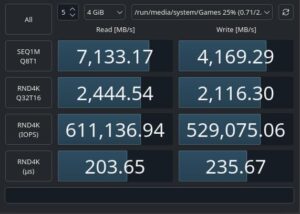
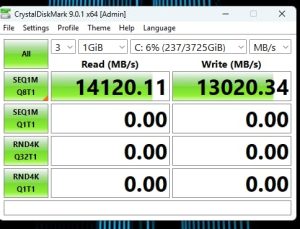
The speed comparison is stark. Traditional HDDs offer read speeds around 100 to 150 MBs. SATA SSDs dramatically improve this to about 500 to 550 MBs. NVMe drives, particularly modern Gen4 models, can achieve sequential read speeds of 5000 to 7000 MBs and even Gen3 NVMe drives offer 3000 to 3500 MBs. In real world gaming this translates to games loading seconds or even tens of seconds faster than on a SATA SSD and dramatically quicker than an HDD. For example a large game might load in 30 seconds on an HDD, 10-15 seconds on a SATA SSD, and just 5-8 seconds on an NVMe. This performance gap is why NVMe is becoming the standard for gaming.
What Factors Should I Consider When Choosing An NVMe Drive For Gaming
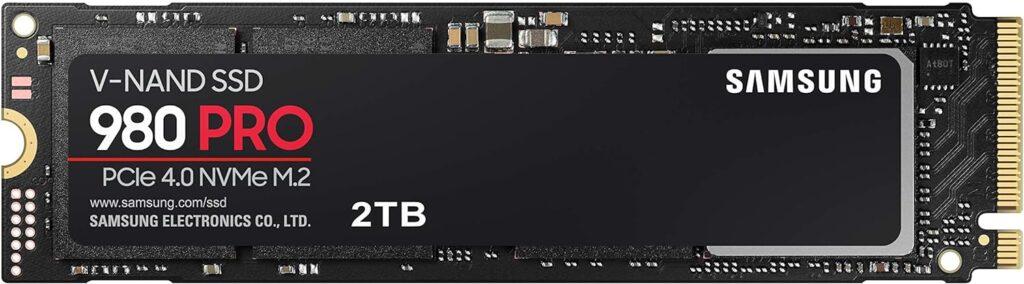
When picking an NVMe for gaming, several factors matter. First consider the **PCIe Generation** Gen3 or Gen4. Gen4 offers faster speeds but requires a compatible motherboard and CPU. For most gamers, Gen3 is still excellent value. Second, **Capacity** is crucial. Modern games are massive, easily taking 100GB or more. A 1TB or 2TB drive is a good starting point to store your main game library. Third, look at **DRAM cache**. Drives with a DRAM cache often perform better under sustained loads. Fourth, **Endurance TBW** indicates how much data can be written to the drive over its lifetime important for longevity. Finally, **Price** balance your budget with your performance needs. Reputable brands like Samsung Western Digital and Crucial offer excellent options.
How Do I Install An NVMe SSD In My Gaming PC
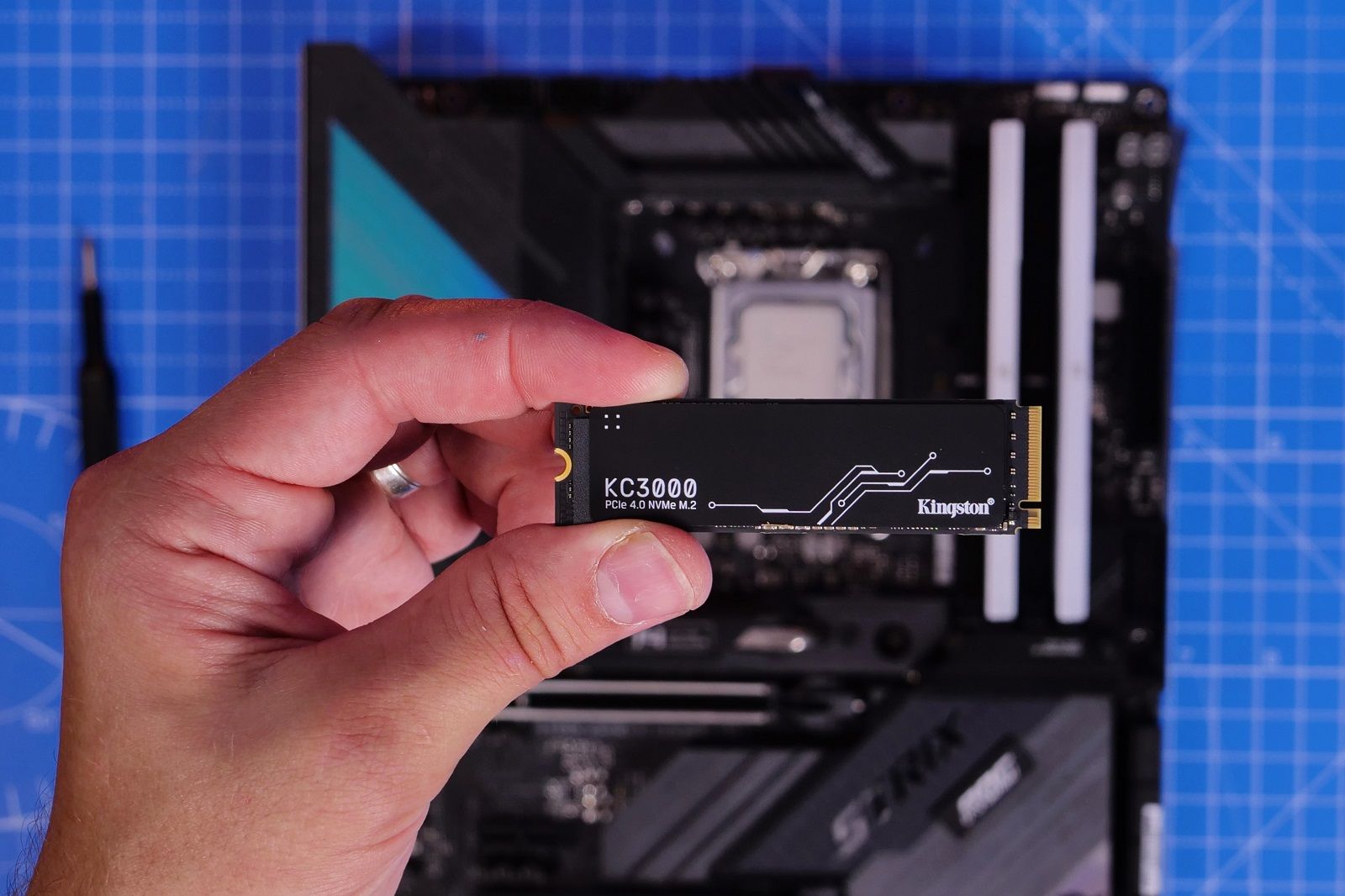
Installing an NVMe SSD is surprisingly straightforward for most modern PCs. Heres a quick guide:
- **Check Compatibility:** Ensure your motherboard has an M.2 slot that supports NVMe typically labeled PCIe 3.0 x4 or PCIe 4.0 x4.
- **Power Off:** Turn off your PC and unplug it from the wall.
- **Locate M.2 Slot:** Open your PC case and locate the M.2 slot often near the CPU or graphics card. Some motherboards have multiple slots.
- **Remove Standoff Screw:** Unscrew the small standoff screw in the M.2 slot if present.
- **Insert NVMe:** Gently slide the NVMe drive into the M.2 slot at a slight angle. It should click into place.
- **Secure Drive:** Push the drive down and secure it with the standoff screw. If your motherboard has a heatsink for the M.2 drive, install it now.
- **Close Case & Power On:** Close your PC case, plug it back in, and power it on.
- **Initialize & Format:** In Windows, open Disk Management, initialize the new drive, and format it to create a new volume.
Are There Specific Games That Benefit More From NVMe Storage
Yes certain types of games benefit more from NVMe storage. Games with large open worlds, titles that stream high resolution textures, and those that rely on quick asset loading during gameplay will show the most noticeable improvements. Examples include Cyberpunk 2077, Starfield, Microsoft Flight Simulator, and Ratchet & Clank Rift Apart which uses PlayStation 5s NVMe equivalent to load new dimensions instantly. Multiplayer games like Call of Duty Warzone or Apex Legends can also see faster map loading times getting you into the action quicker. As game development continues to leverage technologies like DirectStorage, more titles will increasingly rely on NVMe for optimal performance, making it a wise investment for future proofing your gaming setup.
What Are The Limitations Or Downsides Of NVMe For Gamers
While NVMe offers impressive benefits, there are a few limitations to consider. The primary one is cost. NVMe drives are generally more expensive per gigabyte than SATA SSDs, though prices are constantly becoming more competitive. Not all older motherboards have M.2 slots for NVMe, requiring an adapter card which might use up a valuable PCIe slot. Additionally as mentioned earlier, for many older or less demanding games, the performance difference between a SATA SSD and an NVMe might not be hugely noticeable in actual gameplay beyond initial loading. You also need to consider potential heat issues as NVMe drives can run hot under heavy loads, sometimes requiring a heatsink for sustained performance, especially in cramped cases. For some, the added cost for marginal gains in certain scenarios might not be worth it.
When Should I Prioritize An NVMe Upgrade Over Other PC Components
You should prioritize an NVMe upgrade if you are currently running games off a mechanical HDD and want a significant overall system speed boost. It is also a smart upgrade if you frequently play large open world games or competitive multiplayer titles where every second of load time matters. If your existing PC has a decent CPU, GPU, and sufficient RAM (16GB is standard for 2026), but you are still waiting on load screens, then storage is likely your bottleneck. However, if you are experiencing low FPS, stuttering during gameplay, or your graphics card or processor are several generations old, then upgrading your GPU, CPU, or adding more RAM will likely provide a more impactful improvement to your gaming experience first. Balance your upgrade budget wisely based on your current systems weakest link.
So there you have it, the lowdown on whether NVMe improves gaming. For many gamers, especially those of us juggling busy lives and looking for the most efficient way to enjoy our limited gaming time, NVMe is a clear winner in terms of load times and overall system responsiveness. It might not magically boost your FPS, but it fundamentally changes the feel of your PC, making everything snappier and getting you into the action faster. The transition to NVMe is already well underway with consoles and PC games increasingly leveraging its speed for next generation experiences.
When considering an upgrade, think about your current setup, your budget, and the types of games you play. A modern Gen3 or Gen4 NVMe drive offers a fantastic performance boost for the money, especially if you are moving from an older storage solution. It is about optimizing your fun, not just chasing raw numbers. What is your biggest gaming challenge when it comes to performance or hardware upgrades? Comment below and share your thoughts. Lets help each other game smarter, not harder.
FAQ Section
Q: Do consoles use NVMe storage?
A: Yes, modern consoles like the PlayStation 5 and Xbox Series X/S heavily rely on custom NVMe SSDs for their incredible loading speeds and new gaming features. This trend drives PC game development towards leveraging NVMe too.
Q: Can NVMe affect game streaming or recording?
A: While NVMe primarily impacts read speeds for loading, having fast NVMe storage can improve the performance of recording software if it writes temporary files to the drive. It ensures smoother background operations allowing your CPU and GPU to focus on gaming and encoding without I/O bottlenecks.
Q: Is NVMe necessary for future games?
A: It is becoming increasingly necessary. With technologies like Microsofts DirectStorage, which optimizes how game data is loaded, NVMe drives are essential for experiencing future titles as intended. While not strictly required for every game, it will be the standard for optimal performance in upcoming releases.
Q: How long do NVMe drives last?
A: NVMe drives are highly durable with a lifespan measured in Terabytes Written TBW. Most consumer NVMe drives are rated for hundreds of TBW, meaning they can last many years under typical gaming use, often outliving other components in your PC. Lifespan is generally not a significant concern for gamers.
Q: What is DirectStorage and how does NVMe relate?
A: DirectStorage is a Microsoft API that allows game data to be sent directly from an NVMe SSD to the GPU, bypassing the CPU. This significantly reduces CPU overhead and I/O latency, enabling faster loading and more detailed game worlds. NVMe drives are crucial because their high bandwidth and low latency are required for DirectStorage to function effectively.
NVMe significantly reduces game loading times Offers superior responsiveness in game environments Does not directly boost FPS Supports future gaming technologies like DirectStorage Provides a better overall user experience beyond gaming Installation is generally straightforward for modern PCs A cost effective upgrade for specific performance improvements
35
Best Gaming SSD 2026 NVMe Picks For Every Budget Switchblade Gaming Best Gaming Ssd 2026.webp. 10 Best NVMe SSDs For Game Development Builds March 2026 Gaming Guide Best NVMe SSDs For Game Development Builds . 14 Best NVMe SSDs For VR Games In 2026 That Boost Performance StrongMocha Top Vr Ssds 2026 Ghnnj . How Much SSD Do I Need For Gaming In 2026 The PC Wire Nvme 1024x493 . Best NVMe SSD 2026 Fastest PCIe Gen4 Gen5 SSDs For Gaming PC



Best Compact Gaming Desktop In 2026 Power Gaming PC Guru AC SL1200 . Windows Server 2026 Gets Native NVMe Performance Boost With KB5066835 Windows Server 2025 Nvme Support . What Is NVMe And How It Can Improve Your Gaming Experience Caasify What Is Nvme Gaming. 12 Best NVMe SSDs For Gaming June 2026 Complete Guide B0DX2DPJZ5 Customer 2 300x214 . Best NVMe SSDs For Gaming 2026 12 Drives Tested Compared 41jo8xhgyfL


Does SSD Speed Matter For Gaming Yes Or No 2026 Test And Guide Ahci Vs Nvme . Beste NVMe SSD Gaming Mai 2026 Guide Og Default . The 5 Best NVMe SSDs For Fastest Boot Times In 2026 Reviewed Ranked SAMSUNG 980 PRO SSD 2TB PCIe NVMe Gen 4 Gaming M.2 1024x284 . CloudCusp NVMe Vs SATA Which Is Better For Your PC In 2025 Nvme Ssd Pannaromic 1024x264 . CES 2026 All The Best Biggest For Gaming So Far Sandisk Rebrands Popular WD Black Gaming SSDs 1024x576

12 Best NVMe SSDs For Gaming June 2026 Complete Guide B0B7CQ2CHH Customer 2 300x214 . 12 Best NVMe SSDs For Gaming June 2026 Complete Guide B0DC8VPSHV Customer 1 768x1024 . The Fastest NVMe SSDs In 2026 Do You Actually Need One SEOon FASTEST NVMe SSDs 2 . 12 Best NVMe SSDs For Gaming June 2026 Complete Guide B0DX2DPJZ5 Customer 1 300x229 . NVMe SSD For Gaming Strategic Roadmap Analysis And Forecasts 2026 2034 Chart NVMe SSD For Gaming

Best Graphics Cards For Gaming In 2026 Tom S Hardware . NVMe Vs SATA SSD Is NVMe Really Worth It In 2026 GEEKY SOUMYA SATA Vs NVME SSD . Best NVMe SSDs For Gaming 2026 12 Drives Tested Compared Featured Image Udc40xfz . NVMe SSD For Gaming Strategic Roadmap Analysis And Forecasts 2026 2034 Chart NVMe SSD For Gaming . Guia Completo Sobre Os 5 Melhores SSDs NVMe De 2026 Gemini Generated Image

The Best SSD For The Steam Deck Xbox ROG Ally And Ally X In 2026 . Best NVMe SSDs For 2026 Technobezz Technobezz 2026 05 03 T144508 151 6a6afe15e9 . 12 Best NVMe SSDs For Gaming June 2026 Complete Guide B0DHLCRF91 Customer 2 768x288 . 2026 What Is NVMe The Difference Between NVMe SSD What Is Nvme 7 730x400 . NVMe SSD Vs SATA SSD For Windows VPS In 2026 What Is Windows VPS

Best PS5 SSD Upgrades 2026 Top 10 NVMe Drives Tested And Reviewed Best PS5 SSD Upgrades 2026 . The World S Fastest NVMe PCIe 5 0 SSD In 2026 The Worlds Fastest NVMe PCIe 5.0 SSD In Year 1.webp. NVMe Vs SATA SSD Is NVMe Really Worth It In 2026 GEEKY SOUMYA NVMe Vs SATA SSD . How To Install Blazing Fast NVMe SSDs In Your Gaming PC 144012 Laptops News Feature How To Build And Upgrade Your Own Extreme Gaming Pc Image22 Otqah1oksj . Question Best 2tb Nvme Ssd For Both Gaming And General Windows 11 Use Proxy.php