Navigating the world of video game computers can be tough, especially when balancing work, family, and personal life. This comprehensive guide cuts through the noise, offering practical advice for gamers age 36 and up who want to optimize their experience without breaking the bank or wasting precious time. Discover how to choose the right hardware, troubleshoot common issues, upgrade efficiently, and find time for social gaming. We focus on real-world solutions for performance issues, budget-friendly builds, and staying current with gaming trends like cross-play and cozy titles. Learn to maximize your fun and build skills, whether you game 10 hours a week or just a few. This is your go-to resource for making your video game computers work smarter for your lifestyle.
What's the ideal GPU for 1440p gaming on video game computers in 2026?
For smooth 1440p gaming on video game computers in 2026, GPUs like the NVIDIA GeForce RTX 4070 Ti SUPER or AMD Radeon RX 7900 XT offer excellent performance per dollar. These cards strike a great balance between high frame rates, graphical fidelity, and a price point that's accessible for many adult gamers who want quality without extreme cost. They handle most modern titles at high settings effortlessly.
How important is CPU for gaming versus GPU in video game computers?
While the GPU is often the star for rendering graphics in video game computers, the CPU plays a crucial supporting role. A powerful CPU, like an Intel Core i7 or AMD Ryzen 7, ensures that your GPU isn't bottlenecked, allowing for smoother frame rates, faster loading times, and better multitasking. For many games, a balanced CPU-GPU pairing is key, especially for high refresh rate monitors or complex simulation titles.
What kind of storage is best for video game computers in 2026?
For video game computers in 2026, NVMe SSDs are the gold standard for storage. They offer significantly faster load times than traditional SATA SSDs or HDDs, which is crucial for modern games with large asset files. A 1TB or 2TB NVMe drive for your operating system and primary games is highly recommended, possibly supplemented by a larger SATA SSD for less frequently played titles.
Can I use my current monitor with a new video game computer?
Yes, in most cases, you can use your current monitor with a new video game computer, provided it has compatible display inputs (HDMI, DisplayPort). However, to fully appreciate the power of a modern gaming PC, consider if your monitor supports a high refresh rate (120Hz+) and resolution (1080p or 1440p). Upgrading your monitor alongside your PC can significantly enhance your visual gaming experience.
How often do I need to update drivers on my video game computer?
Regular driver updates, especially for your graphics card, are essential for optimal performance and stability on video game computers. NVIDIA and AMD typically release new drivers monthly or with major game launches. Aim to check for GPU driver updates at least once a month, and update other critical drivers (chipset, audio) as needed or if you encounter issues. This helps ensure compatibility and performance improvements.
What's Discord's role in social gaming on video game computers?
Discord has become the go-to platform for social gaming on video game computers, offering robust voice and text chat, server communities, and screen sharing. It allows gamers to easily connect with friends, join game-specific communities, coordinate multiplayer sessions, and even stream gameplay. For adult gamers balancing life, Discord provides a flexible way to stay in touch with gaming buddies and unwind, even if it's just for a quick chat.
Are refurbished video game computers a good value?
Refurbished video game computers can offer excellent value, especially for budget-conscious gamers. Reputable retailers often provide warranties and thoroughly test components. They are a great way to get higher-end specs for less money. Always buy from certified refurbishers, check the warranty details, and read reviews to ensure you're getting a reliable machine that performs well for your gaming needs without hidden surprises.
Remember when gaming was simple? Now, it feels like a constant battle against outdated hardware, baffling tech specs, and the nagging feeling you're falling behind. For many of us balancing a job, family, and life's other demands, our precious gaming time is a sanctuary. We're not just looking for distraction; we're seeking relaxation, skill-building, social connections, and pure, unadulterated fun. But getting there often means wrestling with slow load times, choppy framerates, or complicated setups that eat into our limited free moments. Youre not alone. Recent stats show 87% of US gamers regularly play, averaging over 10 hours a week, and a significant portion, like you, are over 30, trying to make the most of their investment in video game computers. This guide is built specifically for you. We’ll demystify video game computers, offering clear, actionable solutions to common pain points, helping you optimize your experience, stay current without the hype, and get back to what matters most: enjoying your games. Let's make your video game computer experience seamless and genuinely rewarding.
What exactly defines a great video game computer in 2026?
In 2026, a great video game computer balances raw power with smart design and future-proofing. It’s not just about the fastest processor or graphics card; it's about a cohesive system that delivers smooth gameplay across a range of titles, from demanding AAA blockbusters to popular social and cozy games. Key components include a powerful GPU (like an NVIDIA RTX 40-series or AMD RX 7000-series), a capable multi-core CPU (Intel Core i5/i7 or AMD Ryzen 5/7), at least 16GB of DDR5 RAM, and a fast NVMe SSD for lightning-quick load times. Beyond specs, it offers efficient cooling, reliable power delivery, and connectivity for VR, high-refresh-rate monitors, and various peripherals.
How can I balance a powerful video game computer with my budget?
Balancing power and budget for video game computers is about making smart compromises where they matter least. Prioritize your GPU, as it has the biggest impact on gaming performance. After that, a fast NVMe SSD for your operating system and primary games is crucial for responsiveness. You can often save by opting for a slightly older generation CPU that still offers excellent gaming performance, or by choosing a motherboard with fewer bells and whistles. Consider buying components during sales events or looking into reputable refurbished parts. Remember, a powerful 1080p setup can be significantly cheaper than a top-tier 4K system, yet still deliver incredible fun.
What are the common performance bottlenecks in video game computers and how do I fix them?
Common performance bottlenecks in video game computers often stem from outdated drivers, insufficient RAM, or a slow storage drive. An overloaded CPU or an aging GPU can also be culprits. To fix these:
- Update Drivers: Always keep your graphics card drivers current. NVIDIA and AMD frequently release optimized drivers for new games.
- Monitor Usage: Use tools like Task Manager or MSI Afterburner to identify if your CPU, GPU, or RAM are hitting 100% utilization.
- Upgrade Storage: If you're still on an HDD or a slower SATA SSD, upgrading to an NVMe SSD will drastically improve load times.
- Increase RAM: 16GB is the standard, 32GB is ideal for multitasking and demanding titles.
- Check Cooling: Overheating can throttle performance. Ensure fans are clean and working, and consider better airflow or an aftermarket cooler.
How do I know if it's time to upgrade my video game computer components?
It's time to consider upgrading your video game computer components when you consistently experience low frame rates, long load times, or find yourself constantly lowering graphic settings just to play new releases. If popular games trending this month, like large open-world RPGs or competitive shooters, struggle to run smoothly, it's a clear sign. Another indicator is when your current hardware no longer meets the recommended specifications for games you want to play. For many adult gamers, an upgrade every 3-5 years provides a noticeable performance bump without constant spending. Focus on the GPU first, then CPU and RAM if those are falling behind.
Which games are trending in 2026 for busy gamers and what video game computers support them?
For busy gamers in 2026, trending titles often blend engaging gameplay with flexible time commitments or strong social elements. Think cooperative games like Palworld or Helldivers 2, which offer drop-in/drop-out fun, or cozy life sims that allow for relaxed progression. Free-to-play esports titles like Valorant and Apex Legends remain popular for quick competitive fixes. VR gaming, while still niche, is seeing growth with titles that offer immersive escapes. Most modern video game computers built within the last 3-4 years, especially those with an RTX 3060/RX 6600 or better, can comfortably run these titles at 1080p, ensuring you can jump into the action without major hardware concerns.
How can I keep my video game computer running smoothly with minimal effort?
Keeping your video game computer running smoothly with minimal effort boils down to a few key habits. First, ensure your operating system and drivers are always updated; Windows updates and graphics drivers often include performance fixes. Second, regularly clear out temporary files and defragment (for HDDs) or optimize (for SSDs) your drives. Third, perform a physical dust cleaning every 3-6 months to maintain optimal airflow and prevent overheating. Finally, avoid installing unnecessary software that runs in the background. These simple steps, taking just minutes each week or month, significantly extend your PC's life and performance.
What's the deal with mobile and PC cross-play on video game computers?
Mobile and PC cross-play is a growing trend, recognizing that gamers often play across multiple devices. While full cross-play between high-fidelity PC games and mobile titles is rare due to hardware differences, many games offer shared accounts, progression, or companion apps. More commonly, you’ll see cross-platform play between PC and consoles, allowing friends to game together regardless of their chosen primary system. This enhances social gaming, letting busy adults connect with their circles even if they have different setups. Video game computers are at the heart of this, serving as powerful hubs for diverse gaming experiences, bridging the gap between platforms and fostering community.
How do I troubleshoot common setup issues with new video game computers or components?
Common setup issues with new video game computers or components can be frustrating but are often fixable. If your PC won't POST (Power On Self Test), double-check all power cables, RAM seating, and GPU connections. Ensure your monitor is plugged into the graphics card, not the motherboard. Driver issues are common after installing a new GPU; download the latest drivers from the manufacturer's website. If games crash, monitor temperatures and verify component compatibility. Remember, online forums and manufacturer support are invaluable resources. A methodical approach, checking one component at a time, usually reveals the problem.
What role does social gaming play and how do video game computers enhance it?
Social gaming has evolved into a cornerstone of the modern gaming experience, offering connection and community. For many gamers, it’s a primary way to unwind and build friendships, especially for those balancing demanding schedules. Video game computers enhance this by providing the power for seamless voice chat through platforms like Discord, enabling high-fidelity streaming, and running demanding multiplayer titles with stable performance. Whether it's coordinating raids in an MMORPG, competing in esports titles, or just hanging out in a virtual world, PCs offer the versatility and performance needed for rich, interactive social experiences that transcend geographical boundaries.
Are pre-built video game computers a good idea or should I build my own?
The choice between pre-built and custom-built video game computers depends on your time, budget, and comfort level with hardware. Pre-built systems are excellent for busy adults who want convenience, immediate playability, and often come with warranties for peace of mind. They typically cost a bit more for comparable specs, but you're paying for assembly, testing, and support. Building your own PC can offer better value, more customization, and a deeper understanding of your machine, but it requires time for research, assembly, and troubleshooting. If your gaming time is precious, a reputable pre-built system from a known brand like Alienware, HP Omen, or NZXT BLD might be the better choice for you in 2026.
Navigating the evolving landscape of video game computers doesn't have to be a source of stress. By understanding your needs, managing your budget wisely, and focusing on practical upgrades and maintenance, you can ensure your gaming setup remains a source of enjoyment and connection. Remember, your video game computer is a tool for fun, relaxation, and building community, fitting seamlessly into your busy life. Prioritize what truly enhances your experience, whether that's smooth gameplay, connecting with friends, or exploring new worlds. What's your biggest gaming challenge with your video game computer? Comment below!
FAQ Section
Why is my video game computer suddenly slow?
A video game computer becoming suddenly slow can be due to several factors, including outdated graphics drivers, too many background applications, overheating components (due to dust or poor airflow), or a full/fragmented storage drive. Start by updating drivers and cleaning your system.
How often should I clean my video game computer?
You should aim to physically clean your video game computer, especially its fans and dust filters, every 3 to 6 months. This prevents dust buildup, which can lead to overheating and reduced performance. A can of compressed air is your best friend here.
Can a video game computer be used for work too?
Absolutely! A powerful video game computer is often excellent for work tasks, especially those requiring significant processing power like video editing, graphic design, or complex data analysis. Its robust CPU, ample RAM, and fast storage make it a versatile workstation.
What's the minimum RAM needed for gaming in 2026?
For gaming in 2026, 16GB of DDR4 or DDR5 RAM is generally considered the minimum for smooth performance in most modern titles. While some games might run on 8GB, 16GB provides a much better experience, especially when multitasking or running background applications.
Is VR gaming viable on mid-range video game computers?
Yes, VR gaming is increasingly viable on mid-range video game computers. While high-end systems offer the best fidelity, many VR headsets and games are optimized to run well on GPUs like the RTX 3060/4060 or RX 6600 XT/7600. Check specific game requirements for optimal results.
Optimizing video game computers for busy lives Balancing gaming with work and family Budget friendly hardware upgrades Troubleshooting common gaming PC issues Social gaming and community trends Maximizing performance without hype Staying current with 2026 gaming tech
35


8 Best Gaming PCs For 2026 Ultimate Buyer S Guide Best Gaming Pc 2026 The Neuralcore X.webp. 8 Best Gaming PCs For 2026 Ultimate Buyer S Guide The Creators Dream Msi X 2026.webp. 7 Best Gaming PCs Of 2026 Power Performance And Value Revealed Top Gaming Pcs 2026 1lmv2 . The Best Gaming Laptops Of 2026 At CES YouTube . Top 10 Most Anticipated Games Of 2026 What To Watch Out For TVN GAMES IN 2026


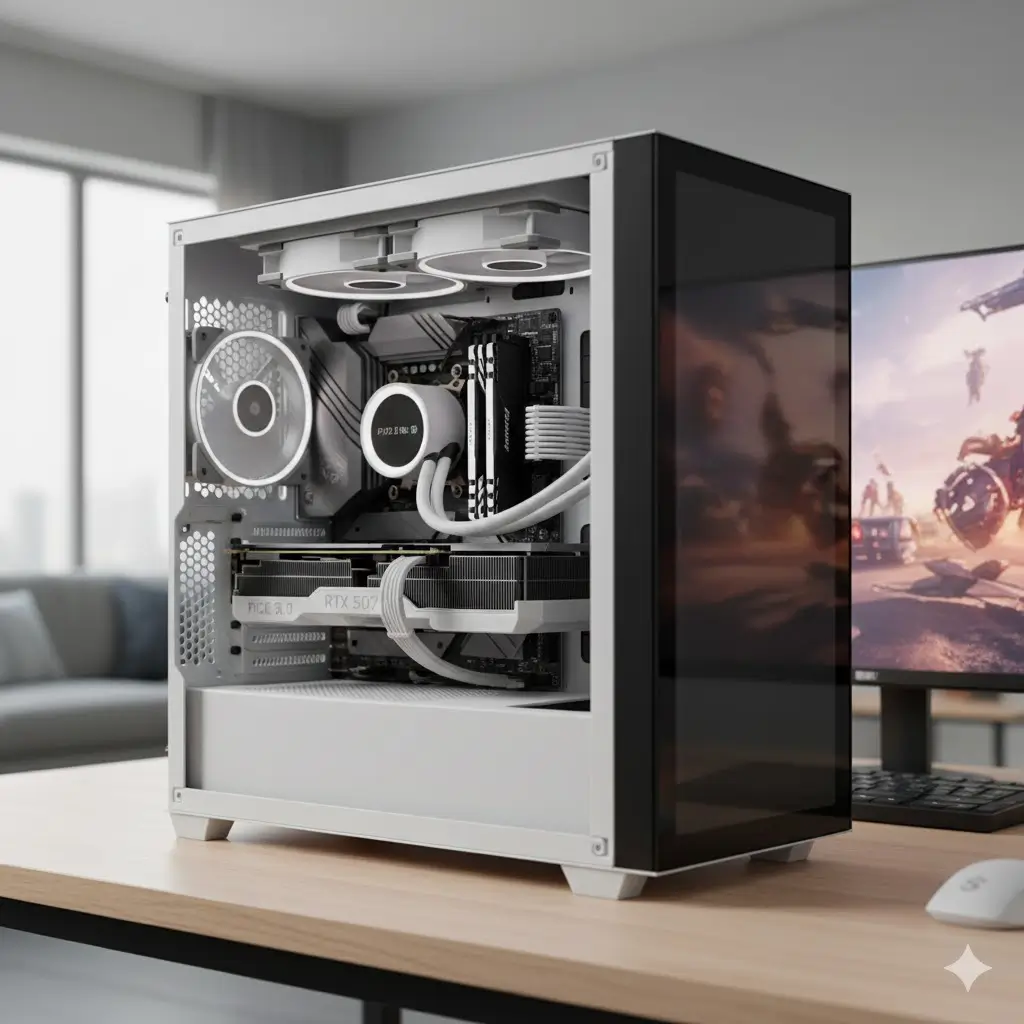
The Must Watch 2026 Video Game Release Calendar Exciting Release Calendar For Upcoming Games In 2026 . Video Games 2026 Ones To Watch Part 1 Quest Daily 2026 Games Pt 1 . All Video Games Releasing In 2026 2026 Video Game Release Dates Post Feature Image . 2026 Video Game Release Calendar Confirmed Launch Dates Must Watch 2026 Video Game Release Calendar . 8 Best Gaming PCs For 2026 Ultimate Buyer S Guide Best Gaming Pc 2026 The Balanced


.png)

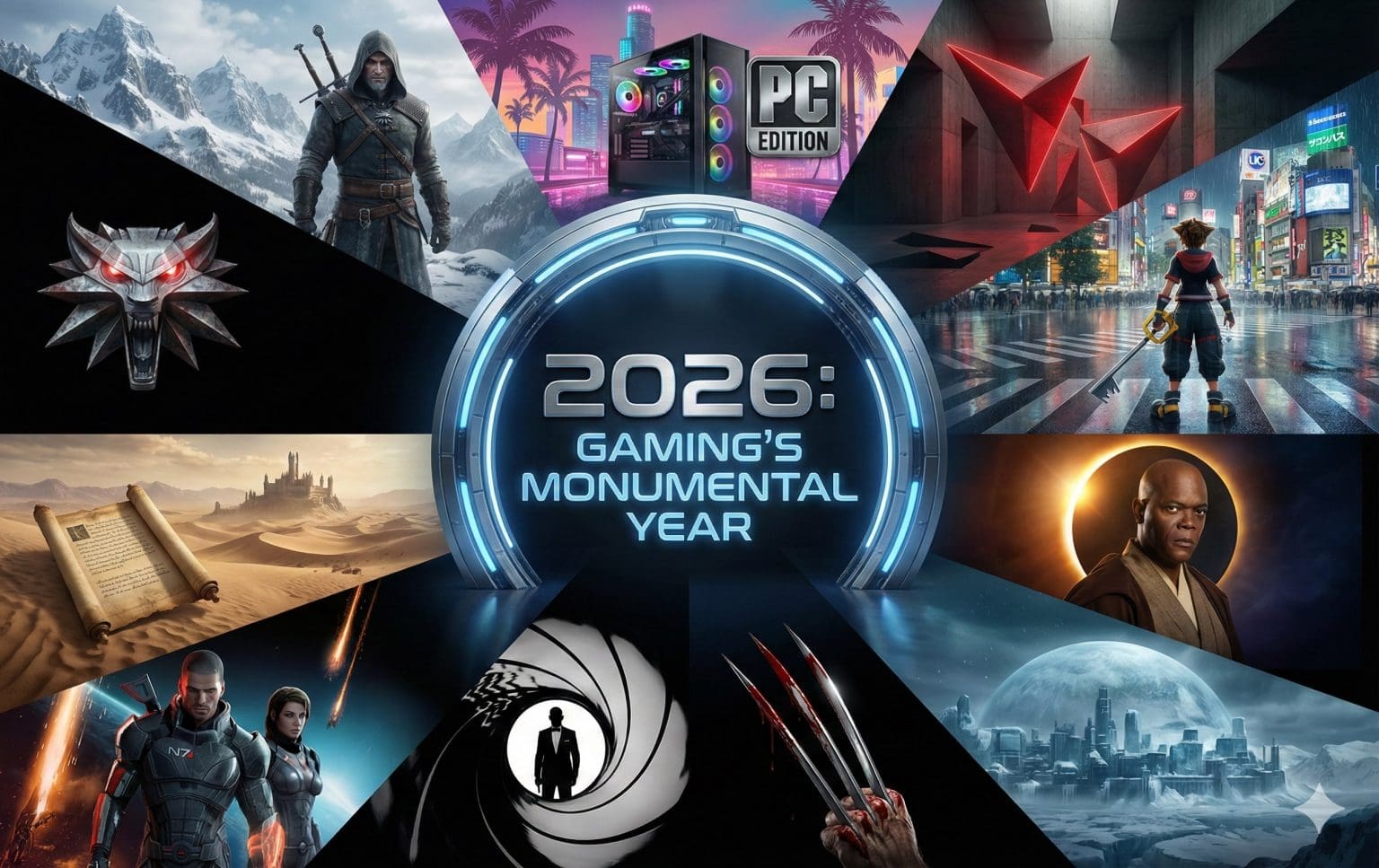
2026 Upcoming Games And Game Release Dates Guide 2026 Upcoming Games Release Dates . Best Gaming PC Builds For 2026 Best Gaming PC Builds For 2026.webp. Video Game Release Dates 2026 Full List Of Upcoming Games Too Much Guide (3) . The 20 Best Switch 2 Games To Play In 2026 GamesRadar . 10 Much Awaited Games Set To Launch In 2026 Games To Launch 2026 1536x967

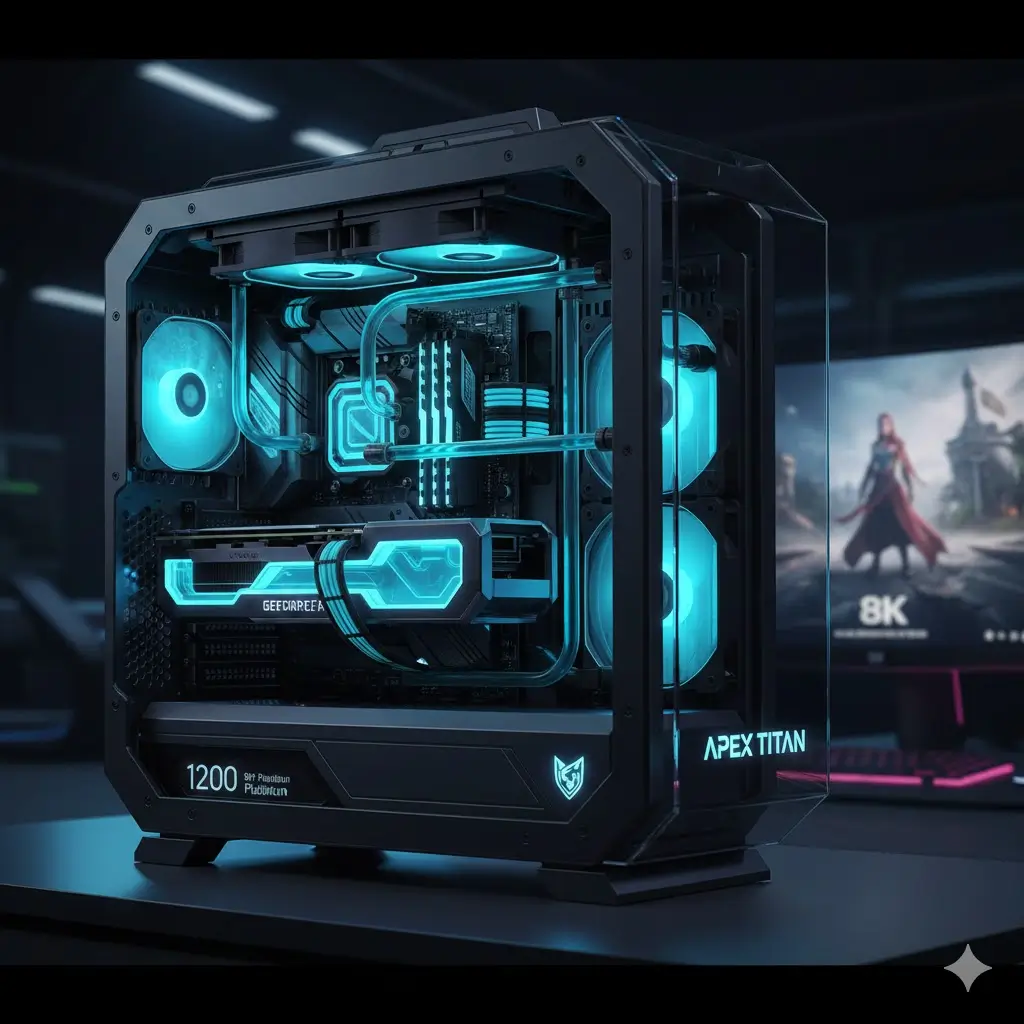
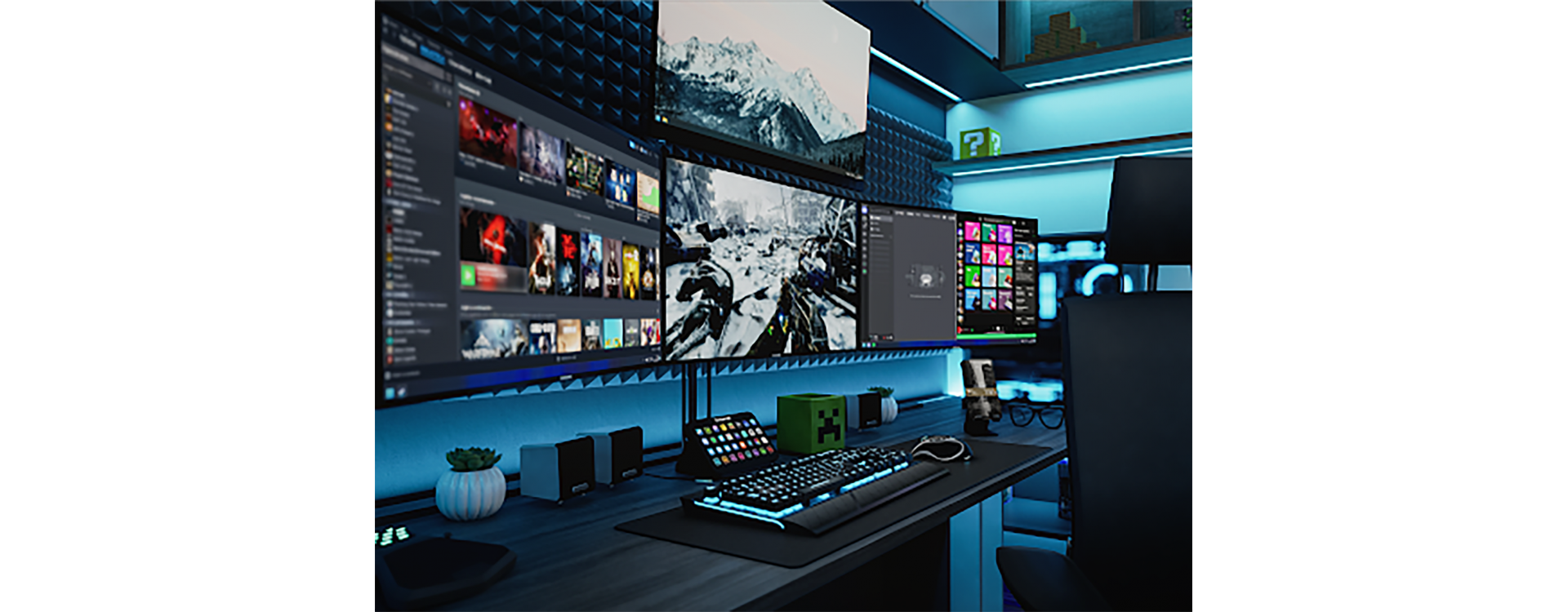

The Best Gaming PC Of 2026 Top Prebuilt Desktops Gaming Pc . 8 Best Gaming PCs For 2026 Ultimate Buyer S Guide Best Gaming Pc The Apex Titan 2026.webp. The Ultimate Gaming PC Build 2026 Guide By Xidax 1 Unnamed . Mejores De PC Gaming En 2026 Tecnoguia Las Mejores De Ordenador Gaming Del Ano 1536x901 . All Video Games Releasing In 2026 2026 Games




The Most Anticipated PC Games Of 2026 TechSpot 2026 02 23 Image 4 . 20 Most Anticipated Video Games Of 2026 1200x675 . The GamingTrend 2026 Most Anticipated Video Game List . The 94 Most Exciting Games Of 2026 Eurogamer Net 2026 Best . 25 Most Anticipated Games Of 2026 From GTA VI To Wolverine




2026 Game Releases Full Upcoming Games Calendar Release Dates PS5 Game Releases Full Calendar Release Dates Main . Upcoming Games 2026 Full Video Game Release Calendar Beebom 2026 Games Release Schedule . James Most Anticipated PC Games For 2026 Rock Paper Shotgun James Most Anticipated Games . The Top Games To Play In February 2026 FullCleared Fullcleared Most Anticipated Games Of 2026 1536x864 . TOP 10 BEST NEW Upcoming Games Of 2026 YouTube


The Best Gaming PCs In 2024 Tried And Tested CNN Underscored Gaming Pcs . 10 Most Anticipated Video Games Of 2026 Gaming Net. Best PC For 2026 For All Purposes From Coding To Gaming To Video 71ENeVg0MuL . April 2026 Video Game Releases New Titles This Month SEAGM News April 2026 Video Game Releases New Titles This Month . Best Gaming Computers In 2026 9meters Hpaq Kbcyhk 768x529