Have you ever wondered what happens to your precious game library if you decide to uninstall Steam? This comprehensive guide dives deep into the intricate relationship between Steam and your installed games. We will explore whether uninstalling the client deletes game files, impacts your saved progress, or affects cloud saves. Gamers often worry about losing hundreds of hours of progress or having to redownload massive game libraries. This article provides clear, up-to-date answers and actionable advice. Learn how to manage your games, protect your save data, and understand the reinstallation process. Discover essential tips for backing up your files and efficiently moving your library. We cover everything you need to know to confidently handle Steam uninstalls without fear of losing your digital treasures. Keep your gaming experience smooth and secure.
Will uninstalling steam delete games FAQ 2026 - All Your Questions Answered!
Welcome, fellow gamers, to the ultimate living FAQ about uninstalling Steam and its impact on your precious game library! This guide is meticulously updated for the latest patches and system considerations in 2026. We know the anxiety that comes with managing your digital collection, especially when contemplating an uninstall. Fear not, because we are diving deep into the most common and pressing questions. We will address everything from game file integrity to save data, offering clear, honest answers. Whether you are a beginner looking for basic guidance or a seasoned player seeking advanced tips and bug fixes, this comprehensive resource has you covered. Get ready to gain complete control over your Steam experience!
Beginner Questions about Steam Uninstall
Does uninstalling Steam delete all my installed games?
No, uninstalling the Steam client itself generally does not delete your game installation files. The uninstall process primarily removes the Steam application. Your large game data folders, typically found in 'Steamappscommon', usually remain on your hard drive, occupying space. You can reinstall the client and link it back to these files.
Where are my Steam game save files located after an uninstall?
Most game save files are either secured by Steam Cloud (linked to your account) or stored locally. Uninstalling Steam does not affect cloud saves at all. Local saves are usually in system folders like 'Documents' or 'AppData'. It is always wise to manually back up these local files before an uninstall. This ensures your progress is safe.
Can I move Steam games to another drive before uninstalling Steam?
Yes, you absolutely can! Use Steam's built-in 'Move Install Folder' feature for each game. This shifts the game's files to your chosen location, like an external drive. This prevents deletion and allows you to easily point the reinstalled Steam client to them later. It is a fantastic strategy for storage management.
Myth vs Reality: Uninstalling Steam erases my entire account.
Reality: Uninstalling the Steam client from your computer does not delete or affect your Steam account whatsoever. Your account, purchases, friends list, and cloud saves remain perfectly intact on Steam's servers. You simply log back in after reinstalling the client to access everything again. Your digital identity is safe.
Myth vs Reality: I must redownload all my games after reinstalling Steam.
Reality: This is a common misconception. If you did not manually delete your game folders, you can direct the newly installed Steam client to locate them. In Steam settings, add the previous library folder. Steam will then verify the existing game files. This saves you from hours of redownloading. It is a time-saving trick.
Bugs & Fixes Regarding Steam Uninstall
I uninstalled Steam but some game folders are still there. Is this a bug?
No, this is not a bug; it is normal behavior. The standard Steam uninstall focuses on the client, often leaving large game data folders behind. This allows for easier reinstallation without redownloading. You can manually delete these folders if you no longer want the games. This gives you control.
My games are showing as uninstalled in Steam, but their files exist. How to fix?
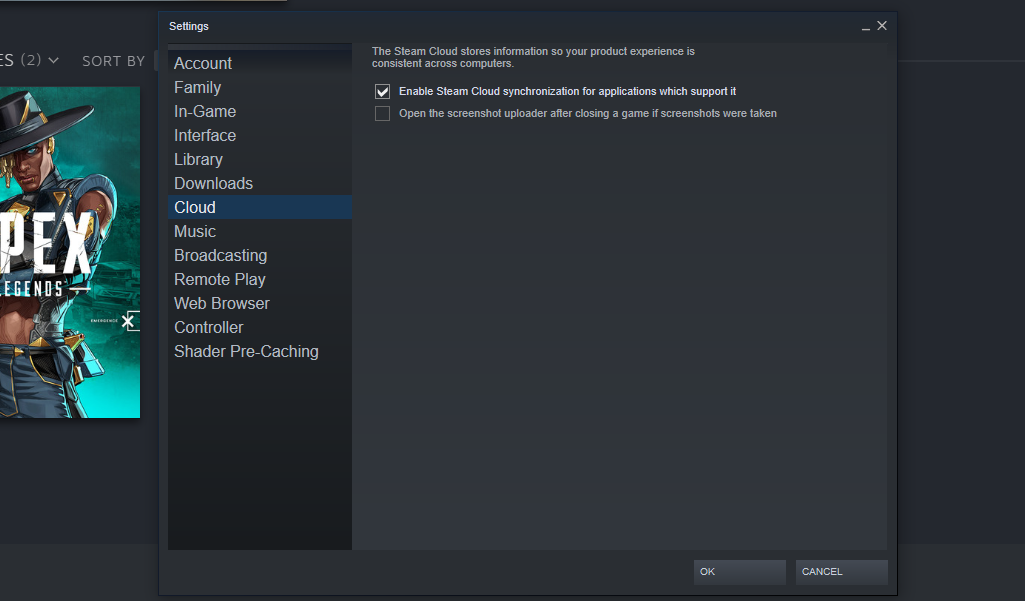
This often happens if Steam loses track of the game directory. To fix it, go to Steam Settings > Downloads > Steam Library Folders. Add the drive where your games are located. Steam will then scan and detect the existing installations, marking them as playable. This quick fix prevents unnecessary downloads.
Myth vs Reality: Uninstalling Steam fixes all my game performance issues.
Reality: While uninstalling and reinstalling *can* resolve some corrupted client-side issues, it rarely fixes underlying game performance problems like persistent FPS drop or stuttering fix needs. These are more often related to outdated drivers, hardware limitations, or in-game settings optimization. Focus on those factors first. Drivers are key.
Still have questions?
Managing your Steam library might seem daunting, but it is straightforward with the right information! Check out our other popular guides like 'Optimizing Your PC for Gaming Performance 2026' or 'Best Gaming Mouse Settings for FPS Pros'. We are always here to help you game smarter, not harder!
The Big Question: Will Uninstalling Steam Delete Games?
Hey there, fellow gamers! Have you ever paused before clicking that 'Uninstall Steam' button, a wave of panic washing over you? It is a common worry, right? Many of us have invested countless hours and a fair bit of cash into our digital game libraries. The thought of losing all those games or your hard-earned progress is enough to make anyone hesitant. What really happens when you decide to uninstall the Steam client? Will uninstalling Steam delete games, erasing everything from your PC? This guide is here to clear up that mystery and empower you with the knowledge to manage your gaming library like a true pro. We will dive into the specifics, offering clear answers and practical tips.
Understanding how Steam handles your game files is crucial for peace of mind. You will learn about the difference between the Steam client and your actual game installations. We will also explore the vital role of cloud saves and local game save data. This article will equip you with the information you need. You will discover how to protect your game files and save data before and after any Steam uninstall process. Get ready to banish that uninstall anxiety forever. Let us make sure your gaming world remains intact.
Understanding Steam's Ecosystem: Will Uninstalling Steam Delete Games?
Steam is more than just a place to buy games; it is a comprehensive platform. It manages your library, updates your titles, and often handles your save data. When you install a game through Steam, two main things happen. First, the Steam client itself is installed, acting as your gateway. Second, your chosen games are downloaded into a specific directory, usually within the Steam folder. This distinction is key to understanding the uninstall process.
The Steam client is essentially the program that runs the store and your library. Your actual game files, however, are separate installations. Think of it like an app store on your phone versus the apps themselves. Removing the store does not automatically delete all your apps. This separation is why 'will uninstalling Steam delete games' often has a more nuanced answer than a simple yes or no. You are in control of your digital world.
The Great Uninstall: What Happens to Your Game Files?
So, you are ready to uninstall Steam. Does this action automatically wipe every single game from your hard drive? The short answer is usually no, not entirely. When you uninstall Steam via your operating system's 'Add or Remove Programs' feature, it primarily targets the Steam client itself. This process removes the core application files and registry entries associated with the client. It typically leaves your actual game installation folders untouched. These large game folders often reside in 'Steamappscommon' within your Steam directory.
This means those massive game installations, the ones that take ages to download, generally remain on your drive. You can uninstall Steam without deleting all your game data instantly. However, without the Steam client, these game files are not directly playable. They are just dormant data taking up space. You might see a slight performance optimization after freeing up some space. Managing these files properly is important.
Where Do Your Saved Games Live? Unraveling Cloud Saves and Local Files
Your game save data is perhaps the most precious part of your gaming experience. Losing hours of progress is truly heartbreaking. Fortunately, Steam uses cloud saves for many games, automatically backing up your progress online. This is a fantastic feature, keeping your saves safe even if your local files are corrupted. These cloud saves are tied to your Steam account, not the local client installation. This means uninstalling Steam does not typically delete your cloud-saved progress.
However, not all games support Steam Cloud, especially older titles or certain indie games. For these, your save files reside locally on your PC. These local saves are often found in your 'Documents' folder, 'AppData' folder, or sometimes directly within the game's installation directory. Always check game-specific wikis or forums to locate these critical files. Backing up these local save files manually before any major changes is a smart strategy for any PC beginner or even a seasoned pro.
Reinstallation & Recovery: Getting Your Games Back After Uninstalling Steam
Reinstalling Steam is usually a straightforward process. Download the client from the official Steam website and run the installer. Once reinstalled, you will log back into your account. The magic happens when you tell Steam where your existing game files are located. If your game folders were left intact after the initial uninstall, Steam can detect them. You can navigate to Steam Settings then 'Downloads' and 'Steam Library Folders' to add the old directory.
By adding your previous game library folder, Steam will scan for installed games. Instead of redownloading everything, it will verify the existing files. This process saves you significant time and bandwidth. It is a fantastic feature for anyone who needs to reinstall Steam for troubleshooting or a system refresh. This method avoids potential stuttering fix needs from fresh downloads. It is a powerful way to manage your massive library.
Advanced Tips for Managing Your Game Library Like a Pro
Managing a large Steam library goes beyond just uninstalling. Consider using Steam's 'Move Install Folder' feature to shift games between drives. This is incredibly useful for optimizing storage, perhaps moving an FPS game to a faster SSD. Regularly backing up your local save files is always a good idea. Tools like GameSave Manager can automate this process. For performance, ensure your graphics drivers are always up-to-date, especially after any major system changes or reinstalls. Keeping drivers current can prevent common FPS drop issues.
If you are a casual or ranked player, a well-organized library means less hassle. Consider creating a dedicated backup drive for your most cherished titles. This strategy offers robust protection against data loss. Regularly clearing out old, unplayed games can also improve overall system responsiveness. Even if it is just an indie game, every little bit of space helps. Efficient library management contributes to better gaming.
Common Mistakes to Avoid When Dealing with Steam Uninstalls
One common mistake is blindly deleting the entire Steam folder without understanding the consequences. This action will indeed delete all your game files and potentially local saves. Always use the proper 'Uninstall a program' method. Another error is not verifying game save locations for non-cloud-supported titles. Assuming all your saves are in the cloud can lead to painful data loss. Always check these critical locations.
Neglecting driver updates after a system refresh or reinstall can cause performance issues like ping spikes or stuttering. Always prioritize driver management. Forgetting to re-add your existing game library folder after a Steam reinstall is also common, leading to unnecessary redownloads. Take your time during the reinstallation process to avoid these pitfalls. Learning from these common errors makes you a smarter gamer. Always double-check your steps carefully.
What Others Are Asking? Will Uninstalling Steam Delete Games?
Does uninstalling Steam delete all games?
No, uninstalling the Steam client typically does not automatically delete your installed game files. The uninstallation process focuses on removing the client application itself. Your large game folders usually remain on your hard drive, ready for detection upon reinstallation. This preserves your substantial game data.
Where do Steam game saves go when you uninstall?
Most Steam game saves are stored either in Steam Cloud (tied to your account) or locally on your PC. Uninstalling Steam does not remove cloud saves. Local saves, often in 'Documents' or 'AppData' folders, might remain but are not directly tied to the client removal. Always back up local saves.
Can I reinstall Steam without losing my games?
Yes, absolutely! After reinstalling the Steam client, you can direct it to your existing game folders. Go to Steam Settings, then 'Downloads', and add the folder where your games are located. Steam will then verify the files, avoiding a full redownload. This is a great tip.
Do I lose my progress if I uninstall Steam?
Generally, no. Your game progress is usually safe due to Steam Cloud saves. These are linked to your Steam account online, not your local installation. If a game uses only local saves, ensure you back those specific files up beforehand. Protecting your progress is simple.
How do I backup Steam games before uninstalling?
You can backup Steam games by using Steam's built-in 'Backup and Restore Games' feature. Alternatively, manually copy entire game folders from 'Steamappscommon' to another drive. Always backup crucial local save files from their specific directories too. This ensures maximum safety.
What happens if I just delete the Steam folder?
If you manually delete the entire Steam folder, you will delete both the Steam client and all your installed game files, including many local game saves. This method is less ideal than proper uninstallation. It leaves no trace of your games or client on your system. Use the 'Uninstall' function instead.
Does uninstalling Steam fix performance issues like FPS drops?
Uninstalling Steam itself usually does not directly fix underlying performance issues like FPS drops or stuttering. However, removing old, unneeded games frees up disk space, which can sometimes indirectly improve system performance. Always focus on driver updates and in-game settings optimization for real fixes. Check your hardware drivers first.
Key Highlights:
Uninstalling Steam typically leaves game files intact, focusing on the client itself.
Cloud saves protect most of your game progress, linked to your account.
Always back up local game saves manually for games without cloud support.
Reinstall Steam and easily point it to your existing game library folders to avoid redownloading.
Avoid simply deleting the Steam folder; use the proper uninstall method.
Regularly update drivers and optimize game settings to combat FPS drops or lag, not just uninstalling.
Consider moving game files to different drives for better storage management and performance benefits.
Uninstalling Steam client typically does not delete game files by default. Game saves are often stored separately, sometimes in the cloud or local folders. Always back up crucial save data before any major system changes. You can reinstall Steam and point it to existing game folders to avoid redownloading. Understanding cloud saves is vital for protecting your progress. Moving game files to a different drive before uninstalling Steam is a smart strategy. Regularly check local save file locations for important titles. Use Steam's built-in backup features for an extra layer of security. This guide helps prevent loss of game data.
35



Steam Games Fix Steam Games 500x214 . Steam Games Fix Uninstall Steam 500x264 . Not So Obvious Tip Don T Uninstall Steam Before All Your Steam Uninstall . Valve Now Allows You To Permanently Delete Remove Games From Your Steam Steam Game Uninstall . Don T Uninstall Steam Before All Your Games Dont Uninstall Steam Before All Games 1


:max_bytes(150000):strip_icc()/steam-delete-game-file-prompt-9fdb6af8ff0c4480893c76bc48fce669.png)

Here S How To Permanently Delete Games From Your Cluttered Steam Steam Delete . Delete Or Remove Games From Steam Library Permanently Here S How Steam Delete Games Permanently . How To Uninstall Steam Games Steam Delete Game File Prompt . How To Completely Uninstall And Delete All Game Files From Steam XLH D8sdkeI. How To Uninstall Steam Games Uninstall Steam Game Ss2
/cdn.vox-cdn.com/uploads/chorus_asset/file/15610941/delete-games-steam.0.0.1449240725.jpg)



You Can Now Permanently Delete Games From Your Steam Library The Verge Delete Games . How To Fully Uninstall Games From Steam Android Authority 54 1000w 850h . How To Fully Uninstall Games From Steam Android Authority Steam Confirm Remove Game 1016w 864h . How To Uninstall Steam Games Keep All Save Files 2024 How To Uninstall Steam Games . How To Uninstall Steam Games TechCult How To Uninstall Steam Games

:max_bytes(150000):strip_icc()/steam-uninstall-ba72a88d2b3f4d319fbe9e7263bd88e9.png)
:max_bytes(150000):strip_icc()/steam-games-a17b28e5f01345408cbe83c342b0a368.png)

How To Uninstall Steam Games TechCult Click On UNINSTALL To Confirm A Game In Steam . How To Uninstall Steam Games Steam Uninstall . How To Uninstall Steam Games Steam Games . How To Uninstall Steam Games Pro Game Guides Steam How To Uninstall Games . Steam How To Uninstall Reinstall Games AnsonAlex Com Steam How To Uninstall Reinstall 1




How To Completely Uninstall Steam Games Appuals Com 10. Uninstall GTA From Steam .webp. How To Uninstall Steam Games 2 Uninstall Steam Game . How To Uninstall Steam Games Quickly And Easily How To Uninstall Steam Games . How To Uninstall Steam Games Ubergizmo Uninstall Games Steam 3 . How To Uninstall Steam Games And Reinstall Later Steam Games Manually
.png)



How To Uninstall Steam Games And Reinstall Later Steam Games Manually (2) . 4 Ways To Uninstall Steam WikiHow V4 460px Uninstall Steam Step 12 . How To Uninstall Steam Games Completely 3 Methods MiniTool How To Uninstall Steam Games Thumbnail . How To Uninstall Steam Games And Reinstall Them Later Digital Trends Uninstall Steam 1 . How To Uninstall Steam Games On Mac And Windows Linux Too Howto Uninstall Steam Game 2

How To Uninstall Steam Games On Mac And Windows Linux Too Howto Delete Steam Games . How To Uninstall Steam Games On Mac And Windows Linux Too Steam Games . How To Uninstall Steam Games And Reinstall Them Later Digital Trends Steam Uninstall 3 . How To Uninstall Steam Games And Reinstall Them Later Digital Trends Uninstall Steam 5 . How To Uninstall Steam Games And Reinstall Them Later Digital Trends Steam Uninstall 2