Are you tired of frustrating lag spikes and connection drops during your most intense gaming sessions? Discover how to configure your router for gaming and unlock a truly optimized experience. This comprehensive guide provides actionable steps to reduce ping, stabilize your connection, and prevent those dreaded FPS drops caused by network issues. We will dive into essential settings like Quality of Service QoS and port forwarding, helping you prioritize game traffic and ensure smooth, uninterrupted gameplay. Learn the tricks that pro gamers use to maintain a competitive edge, from wired connections to advanced wireless optimization techniques. Say goodbye to stuttering and hello to victory with our expert advice on how to configure router for gaming. Improve your online multiplayer experience across all platforms, ensuring your network never holds you back.
how to configure router for gaming FAQ 2026 - 50+ Most Asked Questions Answered (Tips, Trick, Guide, How to, Bugs, Builds, Endgame)
Welcome to the ultimate living FAQ for configuring your router for gaming in 2026! Network technology evolves quickly, and staying ahead means keeping your router settings optimized. Whether you are battling lag, desperate for lower ping, or just want to ensure your connection is rock-solid for the latest titles and competitive play, you have come to the right place. We have scoured the deepest corners of the internet for the most pressing questions and delivered concise, actionable answers, updated for the current meta. Get ready to fine-tune your network, resolve those frustrating connection issues, and elevate your gaming experience to new heights with these tips, tricks, and guides.
Beginner Network Tuning for Gaming
Can I really improve my ping by changing router settings?
Yes, absolutely! Optimizing your router settings, especially Quality of Service (QoS) and port forwarding, can significantly reduce ping and stabilize your connection by prioritizing game traffic. This ensures your gaming data travels more efficiently, minimizing delays. Even small improvements make a difference.
What is the easiest way to make my Wi-Fi better for gaming?
The easiest way to improve Wi-Fi for gaming is by using the 5GHz band if available, and ensuring your router is centrally located. Also, check for the least congested Wi-Fi channel in your area using an analyzer app. These simple steps can reduce interference and boost speeds for your gaming device.
Should I use an Ethernet cable instead of Wi-Fi for gaming?
Yes, connecting with an Ethernet cable is highly recommended for gaming. It provides a more stable, faster connection with significantly lower latency and less interference compared to Wi-Fi. Many pros and competitive players exclusively use wired connections to minimize any potential network disadvantages.
Advanced Router Features for Gamers
How do pros configure their routers in 2026?
Pros in 2026 prioritize dedicated wired connections, often utilizing high-end gaming routers with advanced QoS engines for ultra-low latency. They ensure minimal network congestion by isolating gaming devices and maintaining up-to-date firmware. Some even employ enterprise-grade network hardware for peak stability.
Does having a static IP address help with gaming?
Having a static IP address for your gaming device primarily helps with reliable port forwarding and avoiding connectivity issues that can arise from dynamic IP changes. While it does not directly lower ping, it ensures consistent network configuration, which is crucial for stable online play and specific game servers.
Is a VPN still good for gaming after the latest patch?
A VPN's effectiveness for gaming varies. While some might use it to bypass geo-restrictions or avoid ISP throttling, it typically increases latency. For competitive play, it is generally advised against due to added ping. Always test its impact on your specific game and region after any patch.
Troubleshooting Connectivity Issues
Why do I keep getting disconnected from game servers?
Frequent disconnections often stem from unstable Wi-Fi, insufficient bandwidth, or strict router firewall settings. Ensure you have a wired connection if possible, update your router's firmware, and check port forwarding or UPnP settings for your specific game to allow proper server communication.
How can I fix packet loss when gaming?
To fix packet loss, first, try a wired Ethernet connection. Update your router's firmware, and ensure QoS is configured to prioritize gaming. If the issue persists, contact your ISP, as packet loss can sometimes indicate problems with their network infrastructure or your modem.
Does reset my router to factory settings help gaming performance?
Resetting your router to factory settings can sometimes resolve persistent, inexplicable network issues by clearing corrupted configurations. However, it will erase all your custom settings, including Wi-Fi passwords and port forwards, so it should be considered a last resort after other troubleshooting steps.
Myths Debunked Router Edition
Myth vs Reality Do gaming routers really make a difference?
Myth: Gaming routers are just overpriced standard routers. Reality: While some marketing is hype, dedicated gaming routers often feature more powerful processors, advanced QoS engines, and optimized firmware, genuinely offering superior performance, lower latency, and better traffic management for demanding gaming environments compared to generic models.
Myth vs Reality Is my internet speed the only factor for low ping?
Myth: The higher my internet speed, the lower my ping will be. Reality: While sufficient bandwidth is crucial, ping primarily depends on latency, which is influenced by distance to the server, network congestion, and router configuration. You can have gigabit speed but still experience high ping due to these other factors.
Still have questions?
Do not hesitate to dive into our other popular guides like 'Best Gaming Routers of 2026' or 'Understanding NAT Types for Console Gaming' for even more in-depth insights!
Ever wondered why your ping spikes during a crucial ranked match, making you miss that headshot or get caught out of position? Does your game stutter despite having a powerful PC or console? Many gamers overlook a critical component of their setup: the router. It is not just about raw internet speed; how you configure your router for gaming makes a huge difference. Think of it like tuning a high-performance car; you have all the power, but without proper calibration, you are leaving speed on the table.
We are diving deep into the digital backbone of your gaming experience today. This guide will transform your understanding of network optimization. You are about to learn the secrets to slashing latency, boosting connection stability, and ensuring your precious frames per second (FPS) remain rock-solid. Forget about blaming your internet service provider (ISP) for every hiccup; sometimes, the solution lies right under your nose. Let us unlock your network's full potential together.
Unleash Your Inner Pro The Ultimate Guide to Configuring Your Router for Peak Gaming Performance
Decoding Your Router The Basics of Gaming Network Optimization
Before we tweak anything, let us understand what is actually going on. Your router is the traffic cop for your home network. It directs all incoming and outgoing data, including your game traffic. When you are gaming, especially in an online multiplayer battle royale like Fortnite or an intense MOBA like League of Legends, every millisecond counts. Lag, stuttering, and disconnections are often symptoms of a poorly configured router struggling to manage data efficiently. Understanding how to configure router for gaming involves getting this traffic cop to prioritize your gaming data.
Quick Facts Gaming Network Essentials
- Latency (Ping): The time it takes for a data packet to travel from your device to the game server and back. Lower is always better, ideally below 20ms for competitive play.
- Bandwidth (Speed): The amount of data that can be transferred over your connection in a given time. While important, consistent low latency often trumps raw speed for gaming.
- Packet Loss: When data packets fail to reach their destination. This results in visual stuttering and inconsistent gameplay, making FPS drops appear.
- Jitter: Variation in the delay of received packets. High jitter makes your connection feel unstable, even with good ping.
- Router Types: Gaming routers offer advanced features like Quality of Service (QoS) and dedicated gaming ports designed specifically for performance.
Essential Steps for Gaming Supremacy How to Configure Router for Gaming
Ready to make some changes? These foundational steps are crucial for any gamer looking to improve their online experience. These are the beginner tips that everyone should know. They lay the groundwork for a stable and fast connection, reducing common issues like lag and dropped connections. Properly configuring these settings ensures your gaming device gets the priority it needs on your home network.
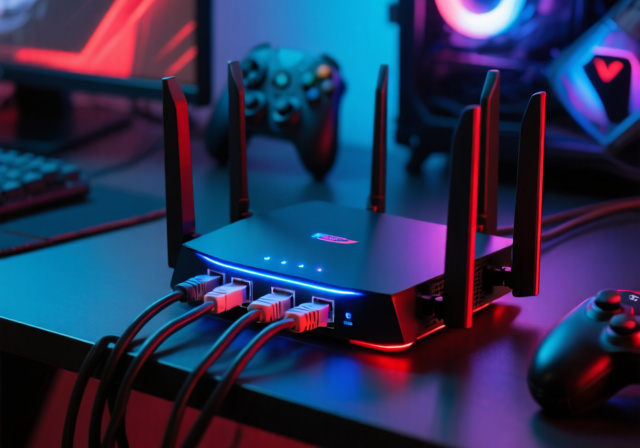
1 Wired Connection Always Wins
This is probably the most impactful tip you will get. Using an Ethernet cable to connect your gaming PC or console directly to your router is king. WiFi is convenient, but it introduces latency and is susceptible to interference from other devices, walls, and even your neighbors' networks. A wired connection guarantees a stable, faster data flow, dramatically reducing ping and packet loss. If you are serious about gaming, make that cable run a priority.
2 Quality of Service QoS Prioritize Your Game Traffic
Quality of Service, or QoS, is your router's secret weapon for gaming. It allows you to prioritize certain types of internet traffic over others. Imagine your router as a busy highway; without QoS, all traffic moves at the same pace. With QoS, your gaming data gets the fast lane, while Netflix streaming or large downloads on other devices take the scenic route. This ensures your game always receives the bandwidth it needs, even when the network is busy.
To set up QoS, you will typically log into your router's admin interface. Look for a section labeled 'QoS', 'Traffic Prioritization', or 'Bandwidth Control'. You can often prioritize by device (your console or gaming PC), by application (identifying specific game traffic), or by port numbers. Experiment with these settings to find the optimal configuration for your specific network and games. This crucial step on how to configure router for gaming is a game-changer.
3 Port Forwarding Open the Gates for Smooth Gameplay
Port forwarding sounds technical, but it is actually quite simple and incredibly effective. It tells your router to send specific incoming game data directly to your gaming device, bypassing potential roadblocks. Think of it as creating a direct line for your game. Without proper port forwarding, your game might struggle to establish a stable connection with game servers, leading to NAT type issues and difficulties joining lobbies.
Many games require specific ports to be open for optimal online play. A quick search for 'game name + port forwarding' will usually give you the necessary port numbers. Then, in your router's interface, navigate to the 'Port Forwarding' or 'Virtual Servers' section. You will enter the game's port numbers and the IP address of your gaming device. This ensures efficient data flow, a key aspect of how to configure router for gaming for an unhindered experience.
4 Update Your Router's Firmware
Just like your games and operating system, your router has firmware that needs updates. Firmware updates often include performance enhancements, security patches, and bug fixes that can directly impact your network's stability and speed. It is a simple step that can yield significant improvements.
Check your router manufacturer's website for the latest firmware version for your specific model. The update process typically involves downloading a file and uploading it through your router's admin interface. Always follow the manufacturer's instructions carefully to avoid bricking your router. Keeping your router up to date is a vital part of maintaining peak performance.
Advanced Tweaks Unleashing Your Router's Full Power
Once the basics are handled, these advanced settings can further refine your gaming experience. These adjustments cater to specific network environments and can provide that extra edge for competitive players. They require a bit more technical understanding, but the rewards are often worth the effort. Consider these for peak how to configure router for gaming strategies.
1 Optimize Your DNS Settings
Your Domain Name System (DNS) server translates website names into IP addresses. A slow or overloaded DNS server can add precious milliseconds to your connection. By switching to faster, public DNS servers like Google DNS (8.8.8.8, 8.8.4.4) or Cloudflare DNS (1.1.1.1, 1.0.0.1), you can sometimes reduce latency for initial connections. This is a subtle but effective tweak to consider.
You can usually change DNS settings in your router's WAN or Internet settings. Alternatively, you can configure them directly on your gaming PC or console. While the impact on in-game ping might be minimal once a connection is established, it can speed up matchmaking and server browsing. It is a worthwhile optimization for overall network responsiveness.
2 Consider a Dedicated Gaming Router
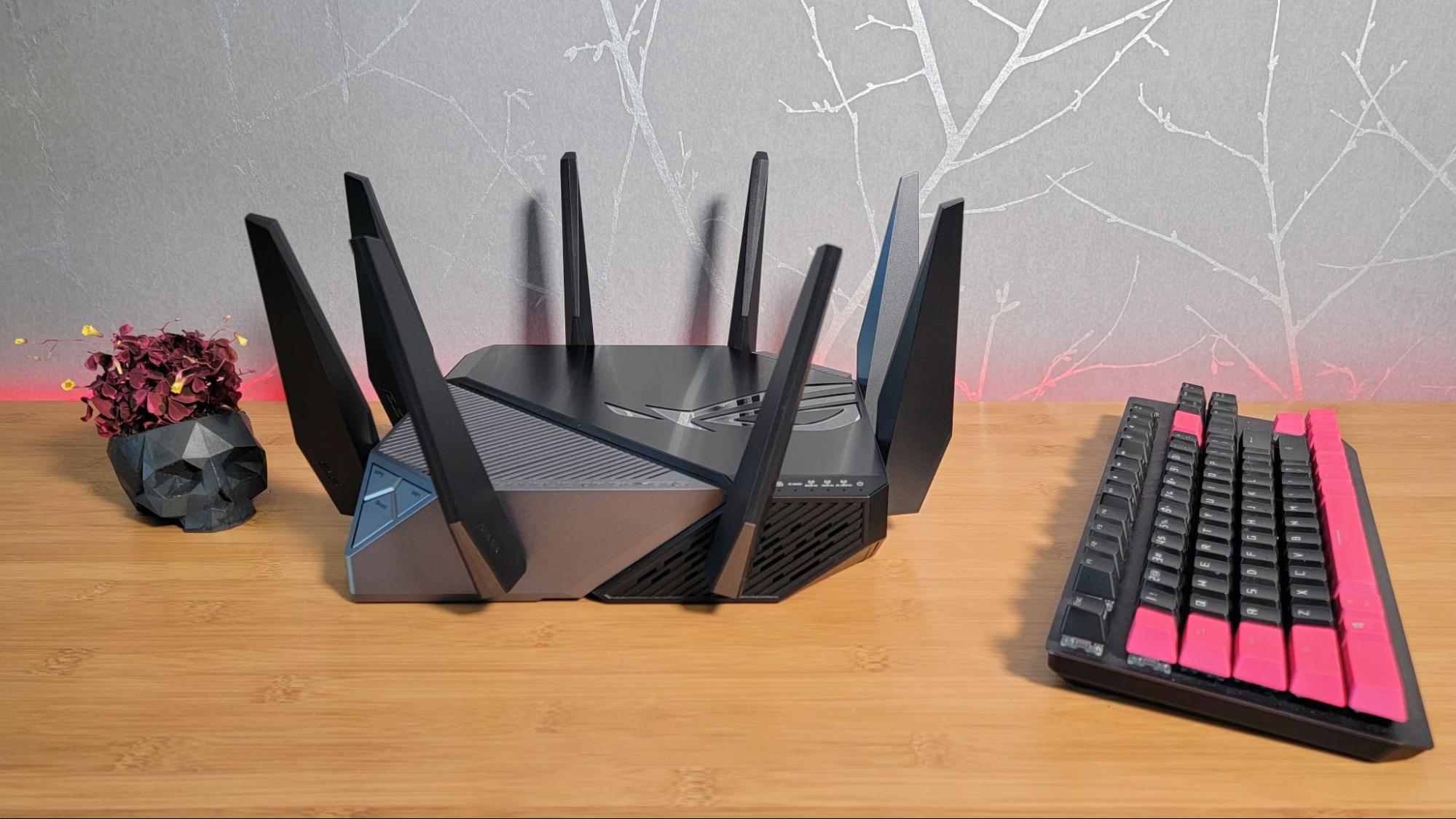
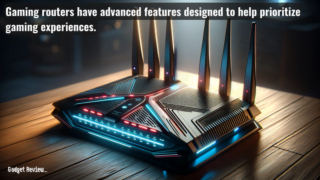
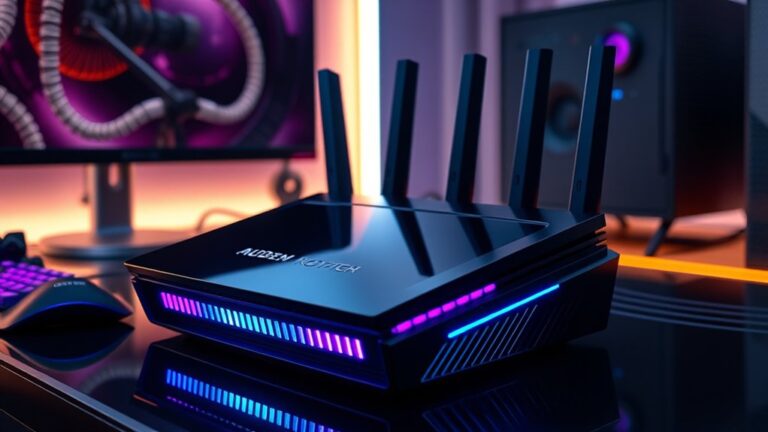
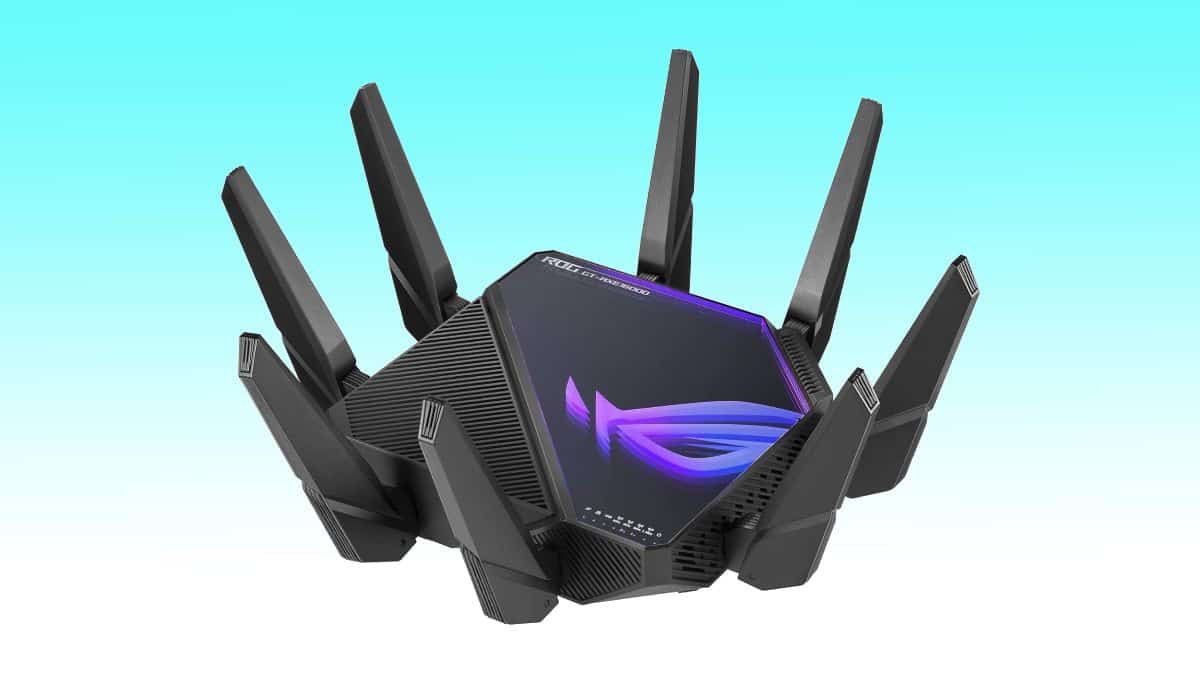
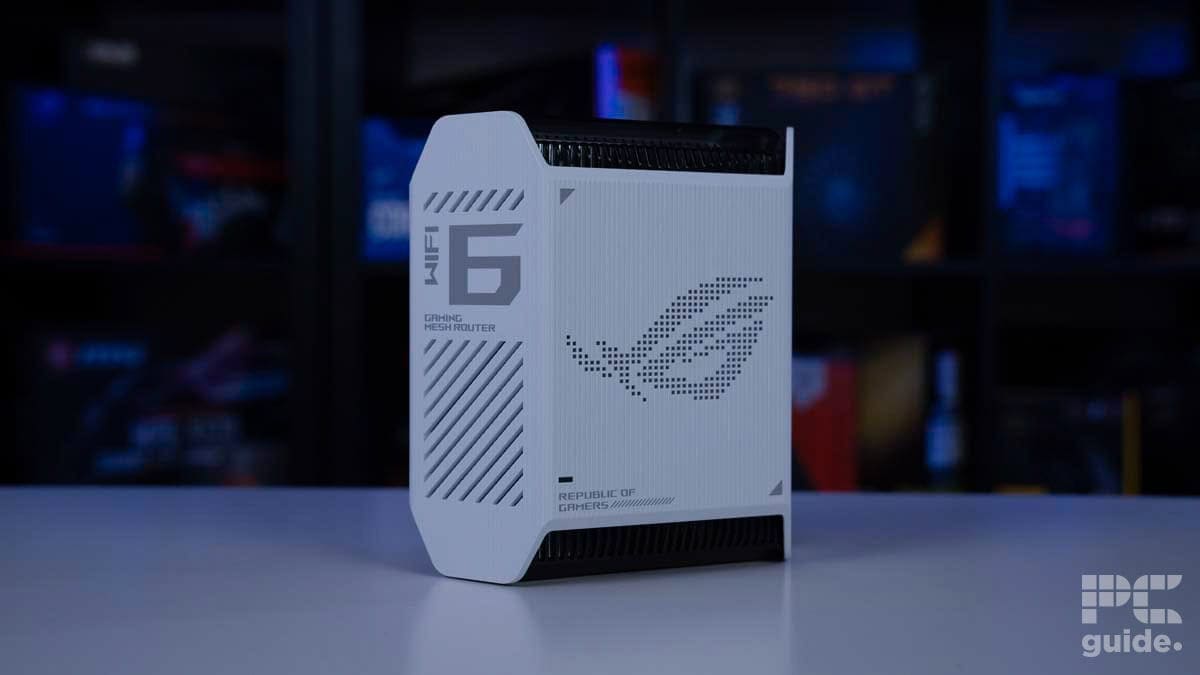
For serious gamers, a dedicated gaming router can be a worthy investment. These routers are engineered with powerful processors, advanced QoS engines, and often boast features like network accelerators and game-specific optimizations. They are designed to handle heavy traffic and prioritize gaming with minimal input.
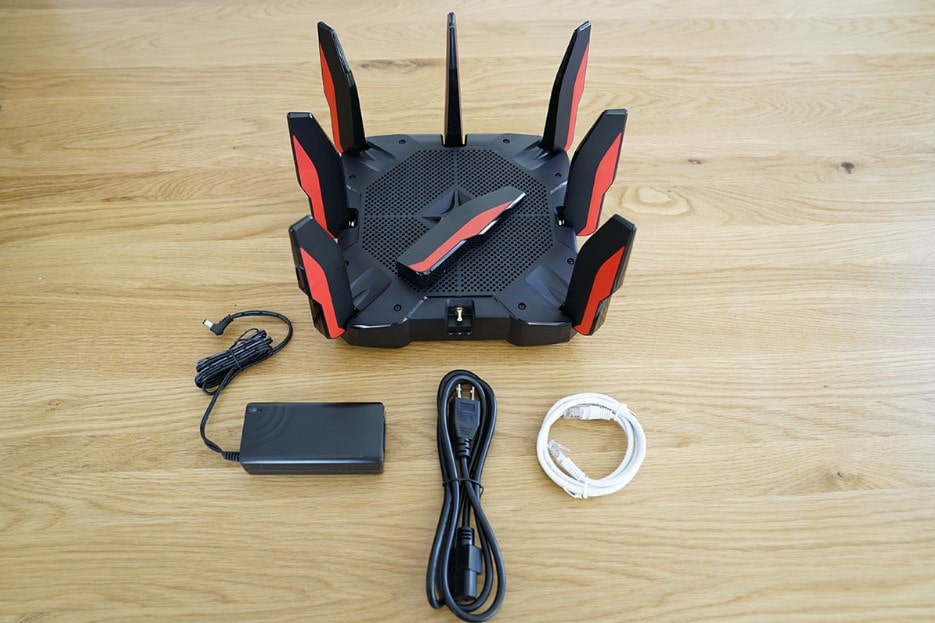
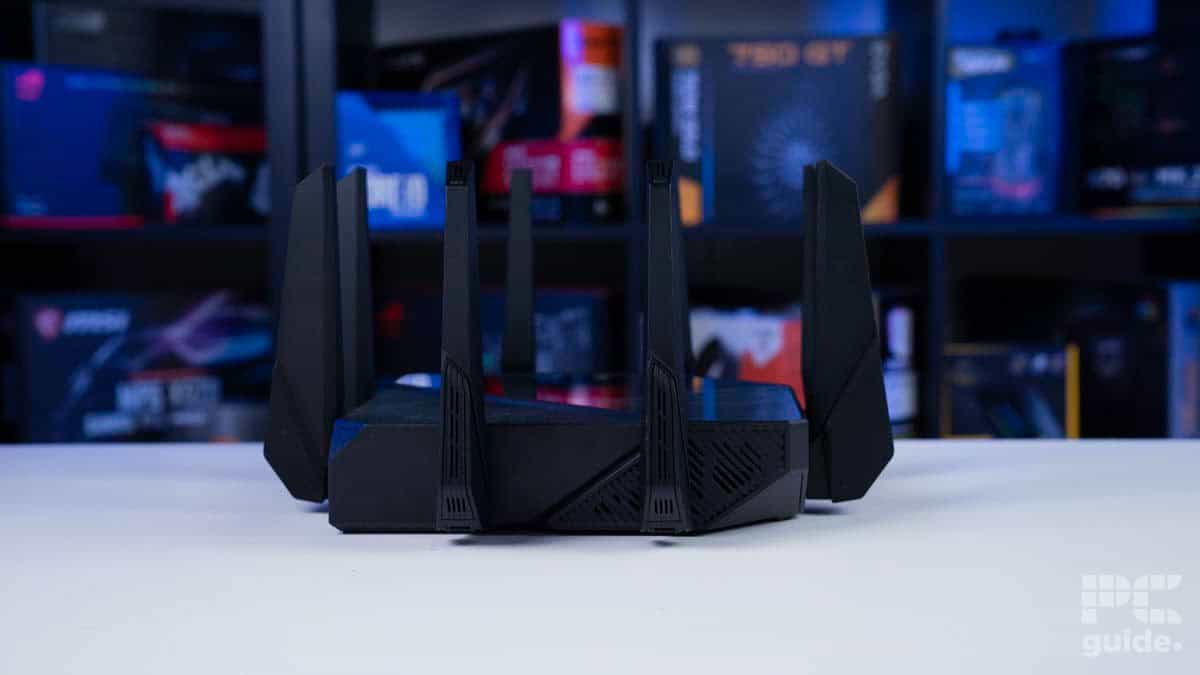
Brands like ASUS ROG, Netgear Nighthawk, and TP-Link Archer offer excellent gaming-focused models. While they come at a higher price point, the enhanced performance and ease of configuration can be a significant advantage. If you find yourself consistently battling network issues, a gaming router might be your ultimate solution for how to configure router for gaming.
3 Adjust WiFi Channel and Bandwidth
If a wired connection is simply not an option, optimizing your WiFi can help. Wireless networks operate on channels. If your router is on the same channel as many of your neighbors, you are experiencing interference. Use a WiFi analyzer app on your phone to find the least congested channel (usually 1, 6, or 11 for 2.4GHz, and various non-overlapping channels for 5GHz).
Also, utilize the 5GHz band if your devices support it. The 5GHz band offers faster speeds and less interference than 2.4GHz, though it has a shorter range. Ensure your router's WiFi bandwidth is set appropriately (e.g., 20/40/80MHz) for optimal performance. These tweaks can make your wireless gaming much more responsive.
Pro Strategies Network Setups for Competitive Edge
Even esports pros pay attention to their network. While they usually play on dedicated LANs, understanding their approach to minimizing network interference can inspire your home setup. Players from teams like FaZe Clan or TSM emphasize stable, consistent connections. They know that network stability is paramount for consistent performance in high-stakes tournaments. These strategies are all about maximizing consistency and eliminating variables.
- Dedicated Connection: Many pros will have a dedicated internet line for their gaming rig during practice. While not feasible for most, it highlights the importance of minimizing shared bandwidth.
- Minimalist Network: During practice, non-essential devices are often disconnected from the network to ensure all bandwidth and processing power are focused on the game.
- Router Placement: Placing the router in an open, central location, away from obstructions and other electronics, is a simple yet effective tip for better signal.
- Power Cycling: Regularly restarting your router (power cycling) can clear its memory and resolve minor connectivity issues, keeping it fresh.
Common Pitfalls and How to Dodge Them
Even with the best intentions, gamers sometimes make mistakes that undermine their network performance. Avoiding these common errors is just as important as implementing the correct settings. Understanding these pitfalls will save you headaches and ensure your efforts to how to configure router for gaming truly pay off.
- Overloading Your Network: Streaming 4K video, downloading huge game files, and playing online simultaneously on multiple devices will stress any network. Stagger these activities or implement strict QoS.
- Ignoring Router Age: Older routers simply cannot handle modern internet speeds and gaming demands. If your router is more than 3-5 years old, consider an upgrade. Technology advances quickly.
- Forgetting Firmware Updates: As mentioned, outdated firmware can lead to security vulnerabilities and performance issues. Make it a habit to check for updates every few months.
- Incorrect Port Forwarding: Entering the wrong IP address or port numbers can prevent connections entirely. Double-check your entries and ensure your device's IP is static.
- Poor Router Placement: Tucking your router away in a closet or behind a TV cabinet can severely degrade WiFi signal strength and range. Give it some breathing room.
Future-Proofing Your Gaming Setup Anticipating Tomorrow's Network Needs
The gaming landscape is always evolving, and so are networking technologies. Keeping an eye on future trends ensures your setup remains competitive. New consoles, game engines, and virtual reality (VR) experiences will demand even more from your network. Thinking ahead helps you maintain a smooth gaming experience.
WiFi 6 (802.11ax) and the upcoming WiFi 7 are designed for higher efficiency and lower latency in congested environments. Upgrading to a WiFi 6 compatible router and devices can offer significant benefits, especially in homes with many connected gadgets. Also, fiber optic internet connections are becoming more widespread, providing unparalleled speeds and reliability. Investing in these technologies now will pay dividends in the years to come.
What Others Are Asking? Your Gaming Router FAQs Answered
It is totally normal to have questions when diving into router configuration. We have gathered some of the most common questions gamers ask. This section is designed to give you quick, actionable answers. Many people are looking for fast solutions to their most pressing network problems. Let us tackle these head-on and make your gaming better.
Does QoS really help reduce lag in online games?
Yes, QoS (Quality of Service) is highly effective for reducing lag. It prioritizes gaming traffic over other data, ensuring your game gets sufficient bandwidth and a stable connection. This is particularly noticeable on busy home networks where multiple devices are vying for internet access.
What is the best type of router for competitive gaming?
For competitive gaming, a high-performance gaming router with robust QoS features, powerful processors, and ideally WiFi 6 or 6E support is best. Brands like ASUS ROG, Netgear Nighthawk, and TP-Link Archer offer models specifically designed to minimize latency and optimize game traffic.
Should I disable my router's firewall for better gaming performance?
No, you should generally not disable your router's firewall entirely. While a firewall can sometimes block game connections, disabling it leaves your network vulnerable to security threats. Instead, use port forwarding or enable UPnP for specific games to allow necessary traffic while maintaining security.
How often should I restart my router to improve gaming performance?
It is a good practice to restart your router regularly, perhaps once a week or every few days. A quick power cycle (unplugging for 30 seconds then plugging back in) can clear its memory, resolve minor glitches, and often improve overall network stability and speed, benefiting gaming performance.
Can my internet service provider's modem router combo be good for gaming?
ISP-provided modem router combos are often basic models and may not offer the advanced features or performance needed for serious gaming. While they work for casual play, dedicated gamers often benefit from using their own high-quality router in conjunction with the ISP's modem, or by replacing the combo unit entirely if allowed.
Is a 2.4GHz or 5GHz WiFi band better for gaming?
The 5GHz WiFi band is generally better for gaming. It offers faster speeds and less interference than the 2.4GHz band, leading to lower latency and a more stable connection. However, 5GHz has a shorter range and is more easily obstructed, so your proximity to the router matters.
Quick Facts About Optimal Gaming Networks
- Latency Target: Aim for below 20ms ping for competitive online gaming.
- Wired Advantage: Ethernet offers a 50-70% latency reduction over WiFi in typical home setups.
- QoS Impact: Can reduce in-game ping by 5-10ms by prioritizing traffic.
- Router Lifespan: Most routers are optimal for 3-5 years before needing an upgrade.
- WiFi 6/6E Benefits: Designed for lower latency and better performance in congested WiFi environments.
- Packet Loss Threshold: Even 1-2% packet loss can cause noticeable stuttering.
There you have it, fellow gamers! You now possess the knowledge to transform your network from a source of frustration into a seamless, high-performance gaming highway. Configuring your router for gaming is not just about making a few clicks; it is about taking control of your online experience. You have learned how to prioritize game traffic with QoS, open essential ports for stable connections, and even identify common pitfalls that can ruin your fun. By implementing these tips, you are not just improving your ping; you are enhancing your entire gaming lifestyle. Go forth, dominate those lobbies, and may your ping always be low and your framerate high! This is your guide, your walkthrough, your path to a truly optimized gaming setup on PC, PS5, Xbox Series X, or Switch. Happy gaming!
Key Highlights for Your Router Configuration Success
- QoS Setup: Prioritize your gaming device or specific game traffic to ensure it gets preferential bandwidth.
- Port Forwarding: Open necessary ports for specific games to resolve NAT issues and improve connectivity.
- Firmware Updates: Keep your router's software updated for performance boosts and security enhancements.
- Wired Connection: Always use an Ethernet cable for your primary gaming device to minimize latency and interference.
- DNS Optimization: Switch to faster public DNS servers like Google or Cloudflare for quicker resolutions.
- Router Placement: Position your router centrally and openly for optimal WiFi signal distribution.
- Avoid Overloading: Limit heavy bandwidth activities on other devices during critical gaming sessions.
Prioritize Gaming Traffic with QoS Setup. Improve Connection Stability through Port Forwarding. Reduce Latency by Optimizing DNS Settings. Ensure Peak Performance with Firmware Updates. Tips for Wired vs Wireless Optimization. Pros of a Dedicated Gaming Router. Cons of Overlooking Router Configuration.
35
Best Gaming Routers 2026 WiFi 7 WiFi 6E For Low Latency Best Gaming Routers . 13 Best WiFi 7 Routers For Gaming In 2026 Top Wifi 7 Gaming Routers Gu74n . The Ultimate Gaming Network Guide From Router Selection To Image. 4 Best Wireless Routers For Gaming In 2026 Good Gaming Routers Gaming Routers . How To Setup A Router For Gaming Optimize A Gaming Router QYI741mwn 2048x1050


How To Setup My Router For Better Online Gaming Robots Net 15 Best Gaming Modem Router Combo For 2023 1694650552 . How To Setup A Router For Gaming Optimize A Gaming Router 6a8jMONEIbv 320x180 . 7 Best Gaming Modems And Routers In 2026 Top Gaming Router Combos 1 768x432 . The Best Gaming Routers For 2026 Netgear Router System And Dashboard 17xs.960 . 7 Best Gaming Modems And Routers In 2026 Top Gaming Network Devices


Top 5 Newest Wi Fi 7 Gaming Router In 2026 Reviews Buying Guide . 4 Best Wireless Routers For Gaming In 2026 Good Gaming Routers TP Link Archer AX11000 2 Min . Best Router For Spectrum In 2026 Our Top Picks Tested And Reviewed ROG RAPTURE GT AXE16000 Wifi 6E Router Side Image By PCGuide . Linksys EA6350 How To Configure Linksys Routers Best WIFI Router . Netgear Orbi RBKE963 Mesh Router Review Fast And Simple Long Range Best Routers For Gaming

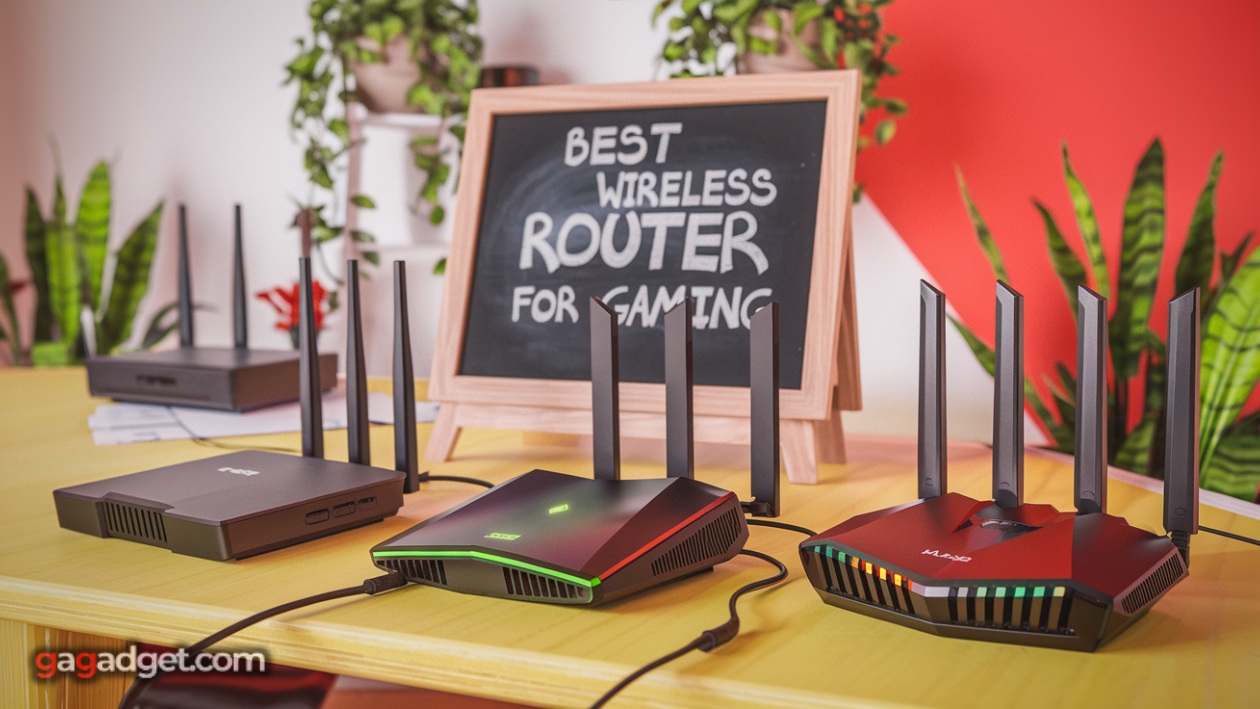
How To Configure A Router Setup For WiFi At Home In 2026 How To Configure A Route . How To Check Printer IP Address 7 Quick Methods 2026 Best WiFi 6E Routers For Gaming . Fix Warhammer 40K Darktide Error Code 2003 2026 S 10 Tips Configure Router Settings For Optimal Gaming Experience . How To Set Up Gaming Router By Spingaming Medium 0*vwlKBvojs B1PpBU . 4 Best Wireless Routers For Gaming In 2026 Good Gaming Routers Good Gaming Routers

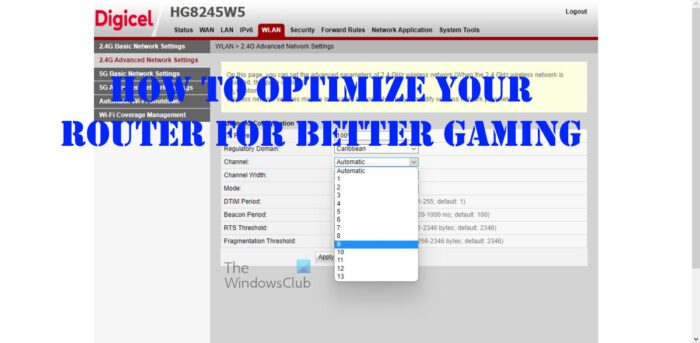


15 Best Gaming Routers With Qos That Will Elevate Your Play In 2026 A Top Gaming Routers 2026 Sxcgz . Top Router Settings For A Lag Free Gaming Experience Best Router Settings For Online Gaming Blog Image . Best Router Settings For Gaming Optimize Router For Gaming WLAN Router Channels 700x343 . How To Setup A Router For Gaming Optimize A Gaming Router Best Wired Router Guide That Shows The Top Best Router Model 1536x864 . Best Router Settings To Bring Out The Best Of Your Gaming Device Best Router Settings To Bring Out The Best Of Your Gaming Device 2
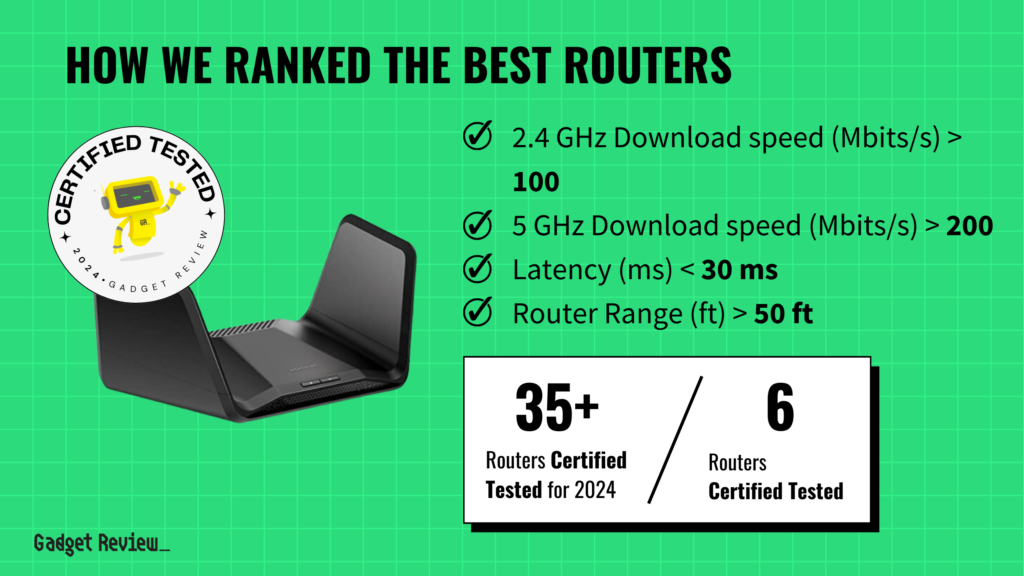

How To Setup A Router For Gaming Optimize A Gaming Router Best Router Guide That Shows The Top Best Router Model 1024x576 . Best Router For Spectrum In 2026 Our Top Picks Tested And Reviewed Best Router For Spectrum . Best Routers For Gaming 2026 10 Models Tested For Low Latency Featured Image 48qtqa65 . The Best Gaming Routers For 2026 The Best Gaming Routers For 2026 W29t . How To Configure Router For Hikvision DVR In 2026 Easy Guide How To Configure Router For Hikvision Dvr 0.webp


Best Wi Fi Routers In 2026 TP Link Archer BE9700 2048x1152 . 9 Best Wi Fi Routers Of 2026 For Working Gaming And Streaming Ztoog Best Wifi Routers . How To Optimize A Router For Gaming Gaming Router Youtube 1 . How To Configure Two Hikvision DVR In One Router 2026 Guide How To Configure Two Hikvision Dvr In One Router 2.webp. How To Configure Two Hikvision DVR In One Router 2026 Guide How To Configure Two Hikvision Dvr In One Router 1.webp